Beyond Fillers: Inside Seoul’s 2026 Shift Toward Regenerative Collagen Boosters and PDRN

Beyond Fillers: Inside Seoul’s 2026 Shift Toward Regenerative Collagen Boosters and PDRN

Beyond Fillers: Inside Seoul’s 2026 Shift Toward Regenerative Collagen Boosters and PDRN

Discover how Seoul's leading dermatology clinics are redefining anti-aging in 2026. From hybrid biostimulators like Juvelook to cellular-repair PDRN and exosome therapies, learn why foreign visitors are prioritizing long-term collagen regeneration over quick volumizing fixes.

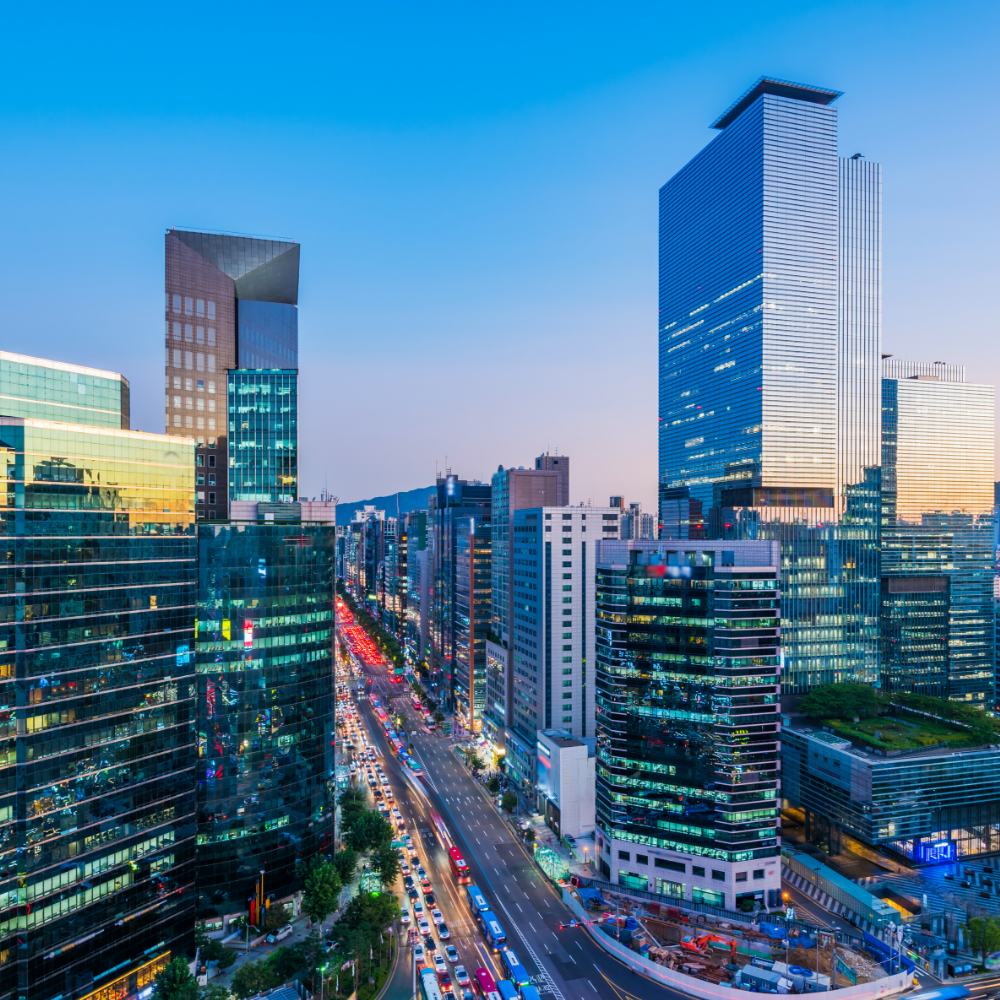
Dermatology clinic setting in Gangnam Seoul featuring professional skincare equipment and luminous skin consultation setup
Seoul's top aesthetic clinics are moving away from traditional synthetic fillers to embrace regenerative skin boosters that stimulate your body's natural collagen production.

The Evolution from Volumizing to Cellular Regeneration

In recent years, aesthetic dermatology in Korea has undergone a fundamental paradigm shift. The era of relying heavily on thick hyaluronic acid dermal fillers to physically puff up wrinkles or alter facial contours is rapidly giving way to "Slow Aging" and bio-regenerative skin health. International aesthetic tourists arriving in Seoul's Gangnam and Cheongdam districts are now requesting treatments that encourage the skin to repair and restructure itself from within, rather than adding unnatural volume.

This shift stems from a deeper medical understanding of extracellular matrix (ECM) degradation. As we age, our dermal fibroblasts slow down collagen and elastin synthesis, leading to structural laxity, fine lines, enlarged pores, and loss of skin density. Rather than masking these structural deficits with static gel materials, Korean dermatologists utilize bio-stimulatory skin boosters. These micro-injectables work by activating tissue repair cascades, resulting in firmer skin, refined pores, and the luminous finish known globally as "Glass Skin 2.0."

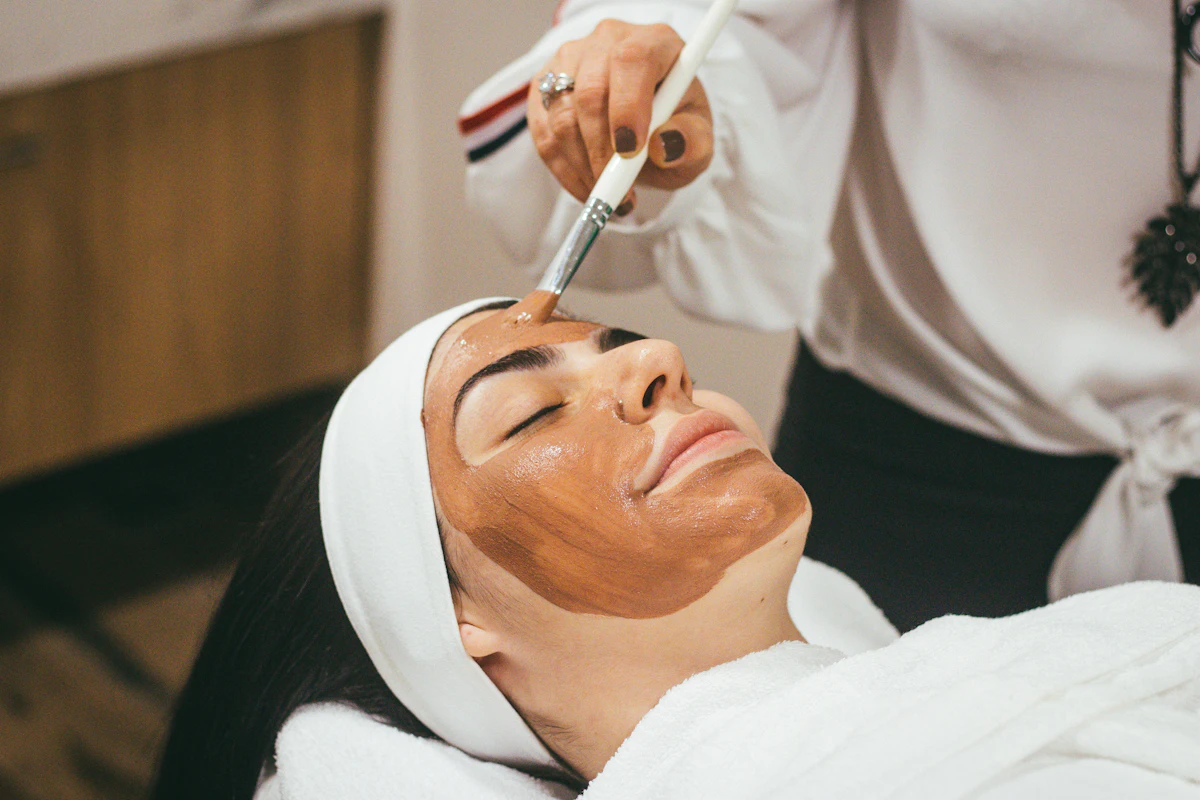
Close-up of a client receiving a gentle facial procedure focusing on hydration and skin barrier restoration in a medical spa setting
Modern K-beauty clinical protocols prioritize natural skin quality, structural elasticity, and inner dermal health over artificial facial volumization.

Decoding Juvelook — The Hybrid PDLLA + HA Collagen Stimulator

Among the most widely requested treatments in Seoul dermatology clinics today is Juvelook (and its higher-density counterpart, Juvelook Volume/Lenisna). Formulated with a patented blend of Poly-D,L-Lactic Acid (PDLLA) microparticles and non-crosslinked Hyaluronic Acid (HA), Juvelook represents the next evolution of injectable biostimulators. While legacy collagen stimulators carried risks of nodule formation due to sharp crystalline structures, Juvelook features porous, spherical micro-particles designed for uniform tissue integration and high safety profile.

The dual-action mechanism provides two distinct phases of enhancement. Upon micro-injection into the dermis or sub-dermis, the HA phase delivers immediate moisture binding and subtle superficial plumping. Over the following 4 to 12 weeks, the bio-resorbable PDLLA particles gradually breakdown, stimulating surrounding fibroblasts to generate fresh autologous Type I and Type III collagen. This process refines skin texture, softens tear troughs, minimizes atrophic scar tissue, and shrinks enlarged pores without creating an heavy or "over-filled" appearance.

Laboratory vials representing biochemical formulations and micro-injectable skin booster ingredients
Juvelook combines hyaluronic acid for immediate moisture with PDLLA micro-particles to trigger long-term collagen synthesis over 12 to 18 months.

PDRN and Exosomes — Restoring the Skin Barrier at a Molecular Level

Parallel to collagen biostimulators, regenerative biological boosters derived from polynucleotides (PN/PDRN) and stem cell exosomes have become mandatory maintenance protocols in Korea. Rejuran Healer—formulated from biocompatible salmon DNA fragments—has earned widespread international acclaim for its extraordinary tissue healing capabilities. By activating A2A adenosine receptors and supplying nucleotide building blocks, PDRN accelerates micro-vascular recovery, reduces chronic inflammation, thickens compromised dermal layers, and repairs sun-damaged skin barriers.

For patients seeking advanced cellular signaling without injections, exosome therapies (such as ASCE+) are frequently paired with micro-needle radiofrequency (RF) like Potenza or precision fractional lasers. Exosomes are nano-sized extracellular vesicles packed with growth factors, anti-inflammatory cytokines, and microRNAs. When delivered into open micro-channels created by clinical devices, exosomes rapidly calm redness, suppress melasma pathways, and accelerate post-treatment healing, making them an ideal choice for international visitors with tight travel schedules.

Advanced skin diagnosis and imaging technology examining skin texture and moisture levels in a Korean dermatology clinic
High-precision diagnostic tools allow Korean dermatologists to tailor customized combinations of PDRN, exosomes, and light-based therapies for each patient's barrier health.

Essential Planning Tips for Foreign Patients Visiting Seoul Clinics

Navigating Seoul’s medical aesthetics ecosystem requires practical preparation, especially for foreign travelers managing limited vacation days. While procedural costs in Gangnam remain highly competitive—with premium skin booster sessions typically ranging between $250 and $500 USD—patients should factor in optimal healing timelines and post-treatment precautions to get the maximum return on their skin investment.

First, timing is paramount. Injectable boosters like Rejuran and targeted Juvelook micro-injections often cause minor papules (small raised bumps at injection sites) that subside within 24 to 48 hours, alongside potential mild pinpoint bruising. Plan your clinic visits early in your trip to allow initial downtime to settle before major sightseeing or photography. Furthermore, always schedule a comprehensive baseline skin analysis (using devices like Mark-Vu or VISIA) to verify whether your skin requires barrier calmative treatment (PDRN/Exosomes) or collagen reconstruction (PDLLA) prior to committing to a protocol.

Modern minimalist reception area of a medical aesthetics center in Gangnam Seoul designed for international clients
Foreign patients visiting Seoul should plan medical appointments during the first few days of their trip to allow transient papules or mild swelling to clear smoothly.

Dr. Beau's Note

As a dermatologist, I strongly encourage patients to view skin boosters not as quick cosmetic tricks, but as biological skin workouts. Traditional fillers fill space, but biostimulators like Juvelook and regenerative agents like PDRN rebuild tissue health. For optimal collagen remodeling, a series of 2 to 3 sessions spaced 4 to 6 weeks apart yields the most durable results, maintaining skin elasticity and barrier resilience for up to 18 months.

About Dr. Beau

Dr. Beau is a beauty expert who provides the most helpful skincare insights, K-beauty tips, and treatment information for anyone struggling with skin concerns, based on extensive experience and in-depth knowledge of professional skin procedures in Korea.

Tags: Skin Boosters, Juvelook, Rejuran, Korean Dermatology, Seoul Aesthetic Clinics, Regenerative Skincare