

March in Seoul: The City Before Cherry Blossoms
Before Seoul turns pastel pink with cherry blossoms, March belongs to a quieter, more honest version of the city. The air softens, coats get lighter, and the streets begin to wake up from winter — but the full bloom has not yet arrived.

Why March in Seoul Feels Different
For many travelers, Korea equals cherry blossoms and autumn leaves. But March in Seoul lives in the space just before the famous photos appear. The city has already shed the heavy stillness of January and February, yet the tourist wave of spring has not fully arrived. It is a month of transition — subtle, practical, and deeply local.
Offices are busy again, schools are preparing for a new academic year, and people are quietly adjusting their routines. The result is a version of Seoul that feels lived-in rather than staged: less about perfect scenery, more about daily rhythm. If you want to see how the city moves when it is not performing for any season, March is the moment.

Weather & Light: Between Winter and Spring
March in Seoul is all about contrast. Mornings can still feel sharp and cold, especially when the wind cuts between tall buildings, but the midday sun suddenly has weight again. You might start the day in a scarf and end it carrying your coat over your arm.
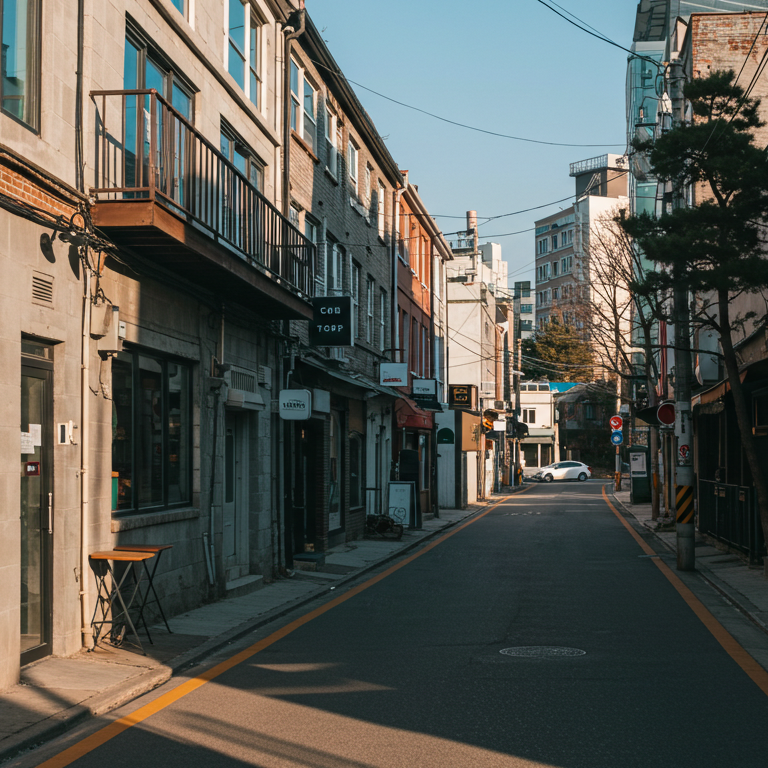
Trees remain mostly bare, with only a hint of buds at the tips of branches. The sky, however, often looks wider than in winter — less metallic, more open. On clear days, sunlight stretches longer across the Han River, turning late afternoons into long, pale-gold corridors. It is not yet the romantic glow of spring, but there is a sense that something is preparing underneath the surface.
This in-between light is kind to photographers and walkers: shadows are softer, reflections are cleaner, and the city’s shapes are visible without being harsh. March is when Seoul starts to exhale.

Streets & Neighborhoods Before the Blossoms
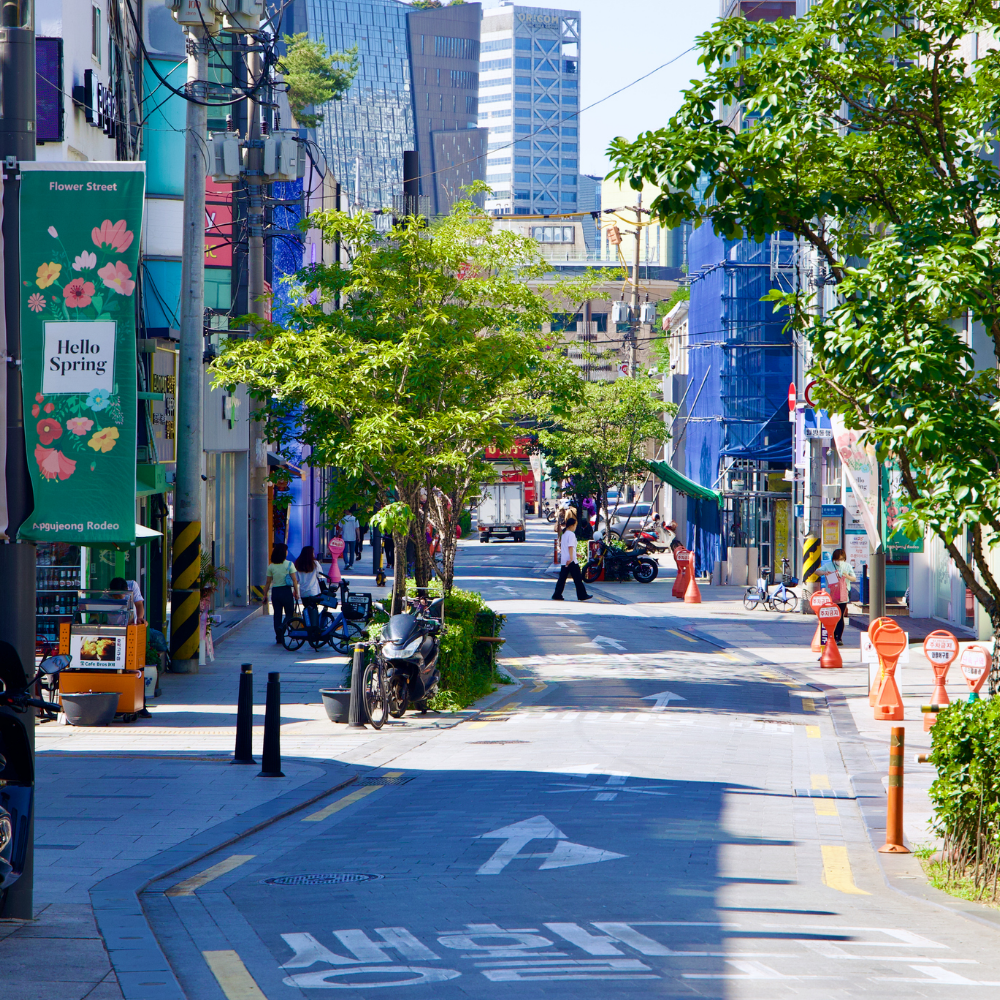
Without cherry blossoms stealing the scene, Seoul’s neighborhoods reveal their everyday faces. In Yeonnam-dong and Mangwon-dong, tree branches form dark lines against bright skies, framing low-rise buildings, convenience stores, and corner cafés. The beauty here is graphic rather than floral — signboards, windows, and laundry on balconies become part of the city’s texture.
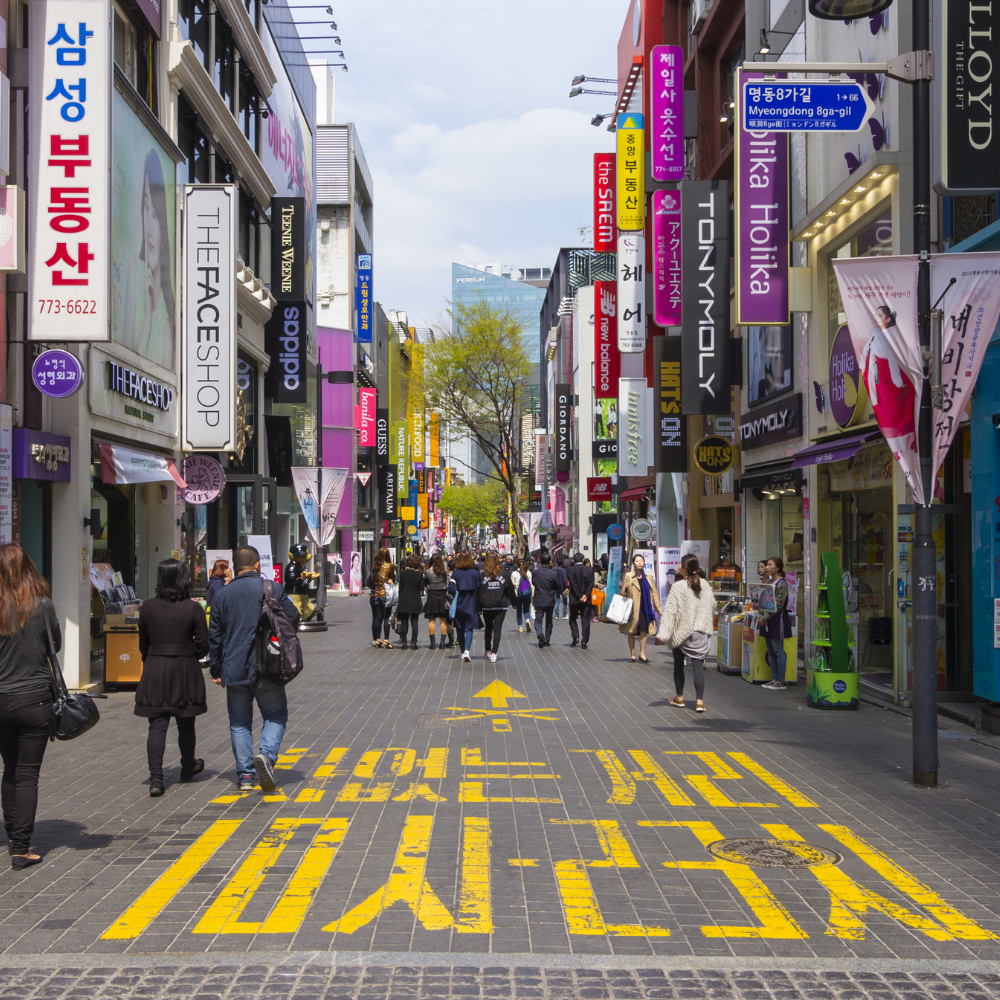
In Seongsu-dong, old factories and new concept stores feel especially photogenic in March. With no leafy cover, the contrast between raw concrete and clean glass stands out. Side streets are lined with people in trench coats and sneakers, moving between cafés, galleries, and pop-up shops. You can feel spring fashion emerging even before the trees catch up.
Traditional areas like Ikseon-dong and Bukchon Hanok Village also change character in this month. Without crowds taking blossom photos, wooden doors, tiled roofs, and narrow alleys reclaim attention. It is an ideal time to walk slowly, listen to your own footsteps on the stone, and imagine how these spaces felt before social media.

Where to Go in March (Without Chasing Flowers)
March is a great month to explore Seoul as a resident would. Instead of racing to famous cherry blossom spots, you have the freedom to choose places for their atmosphere, not their petals.
Along the Han River, parks like Yeouido, Banpo, and Ttukseom are calmer than in summer. People jog in light layers, couples share coffee on benches, and families test out bikes and scooters for the first time that year. The wind can still be sharp, but the feeling of open space is refreshing after months spent indoors.
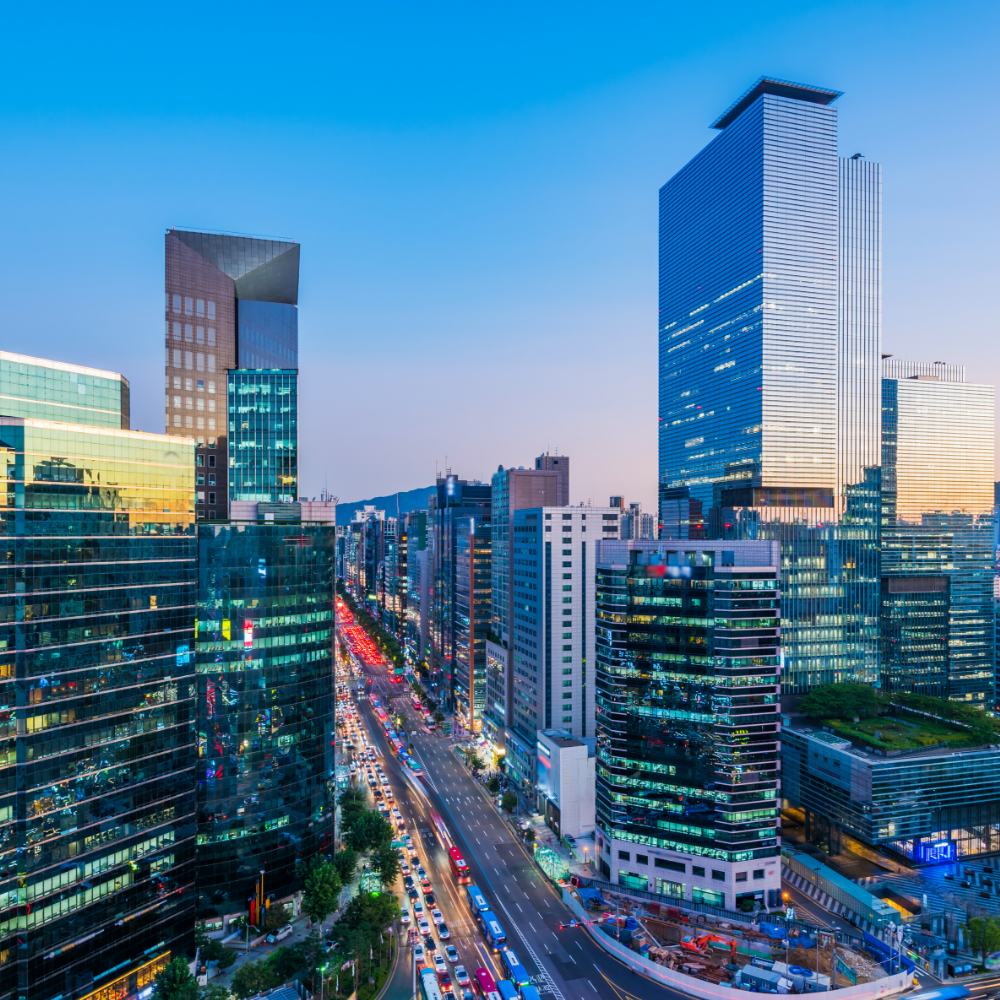
In the city center, areas around City Hall, Gwanghwamun, and Cheonggyecheon Stream are easier to walk without extreme cold or heavy crowds. You can wander from palace walls to office towers, watching how government, business, and history sit side by side in the same few blocks.
For indoor–outdoor balance, March is also ideal for combining a short hike with a café stop. Lower trails on Bukhansan or Inwangsan are often dry enough to walk safely, and the views at the top show a city that is not yet softened by leaves. Afterwards, a warm drink in a neighborhood like Buam-dong or Euljiro feels twice as satisfying.

How Locals Live This In-Between Season
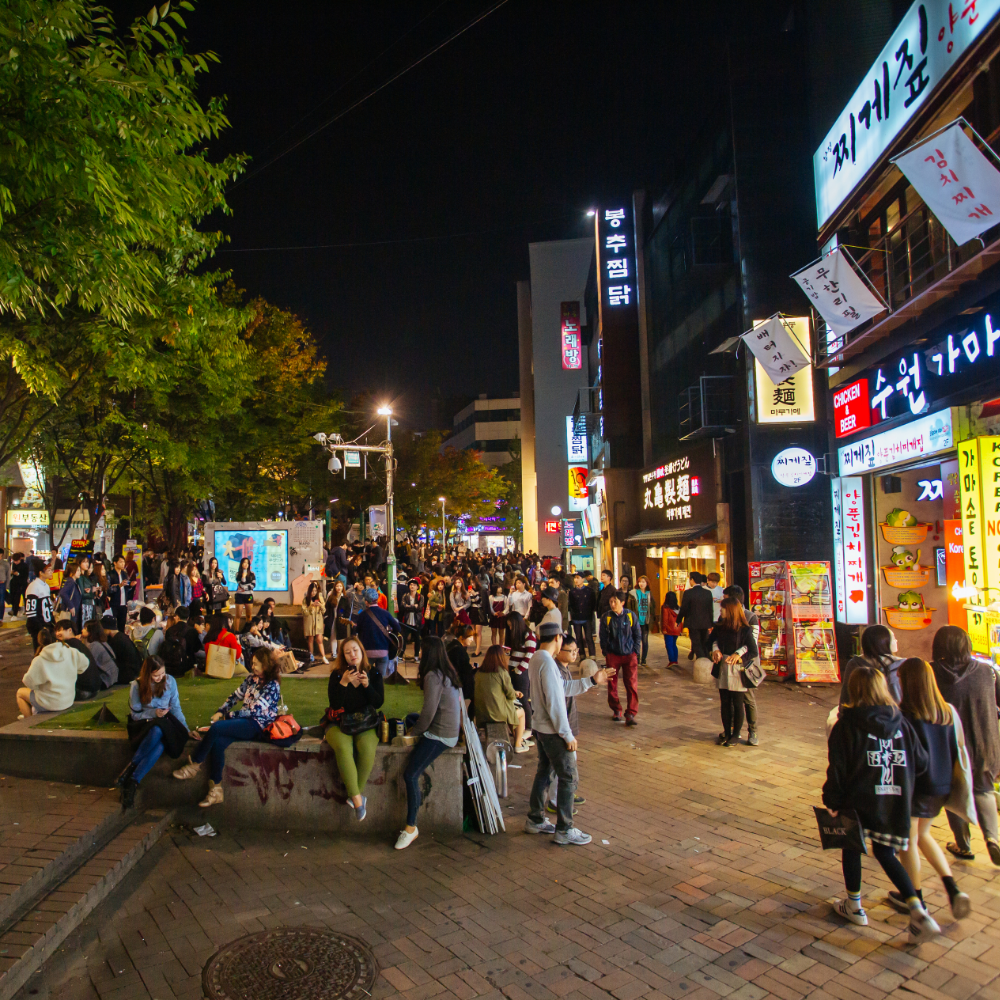
For Seoul residents, March is less about sightseeing and more about adjustment. Winter coats slowly rotate to the back of the closet, replaced by trench coats, denim jackets, and lighter knits. Gym memberships and outdoor workouts pick up as people prepare for warmer months. Stationery shops fill with new planners for the academic year, and campus areas like Sinchon or Hyehwa grow busier as students return.
Cafés quietly update their menus: heavy winter drinks give way to citrus-based teas, floral lattes, and early seasonal desserts. Windows are opened a little wider in the afternoon. You can often spot people sitting alone with a book or laptop, using the calm before blossom season to focus on work, study, or gentle self-reset.
Emotionally, March in Seoul has a particular flavor. It carries the last traces of winter introspection, but also the first small signs of hope. It is a month for people who like beginnings that are not loud — the kind of change you feel more than you see.

Dr. Beau’s Note
I always recommend at least one trip to Seoul before cherry blossom season. In March, the city is less focused on looking pretty and more focused on simply being itself. You see real commutes, real breaks, real weekends. If peak spring is like makeup for the city, March is bare skin — not as dramatic, but full of detail once you look closely.