Cold but Clear: Why Korea’s Air Feels Different in Late Winter
February in Korea is cold, quiet, and surprisingly clear. Before spring dust and cherry blossoms arrive, the sky opens up and the city’s outline sharpens. This is the season when Seoul feels the most honest — and the most overlooked.
What Makes Korea’s Late-Winter Air Feel Different?
Late winter in Korea is shaped by cold, dry air masses that move down from the Asian continent. These high-pressure systems bring lower humidity and often help disperse moisture and haze in the atmosphere. The result is a run of days that feel colder on the skin but cleaner in the lungs, with visibility that can stretch far beyond what you see in autumn or early spring.
In contrast, March and April are when yellow dust and fine dust episodes become more frequent, as winds can carry sand and pollutants from inland China and Mongolia toward the Korean Peninsula. That is why many Seoul residents quietly agree that some of the clearest skies of the year appear not in spring, but in the stillness of February.
How Seoul Looks and Feels in February
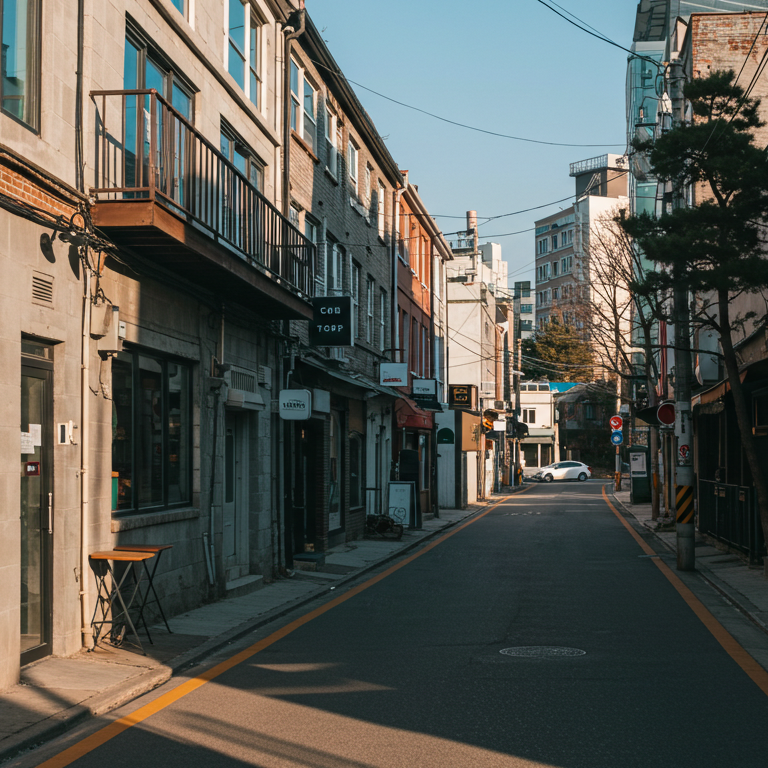
February in Seoul does not come with the spectacle of cherry blossoms or holiday lights. Instead, the city feels stripped down to its outlines. The air is crisp, the sound of traffic carries a little farther, and sunlight seems to land more directly on concrete, glass, and water.
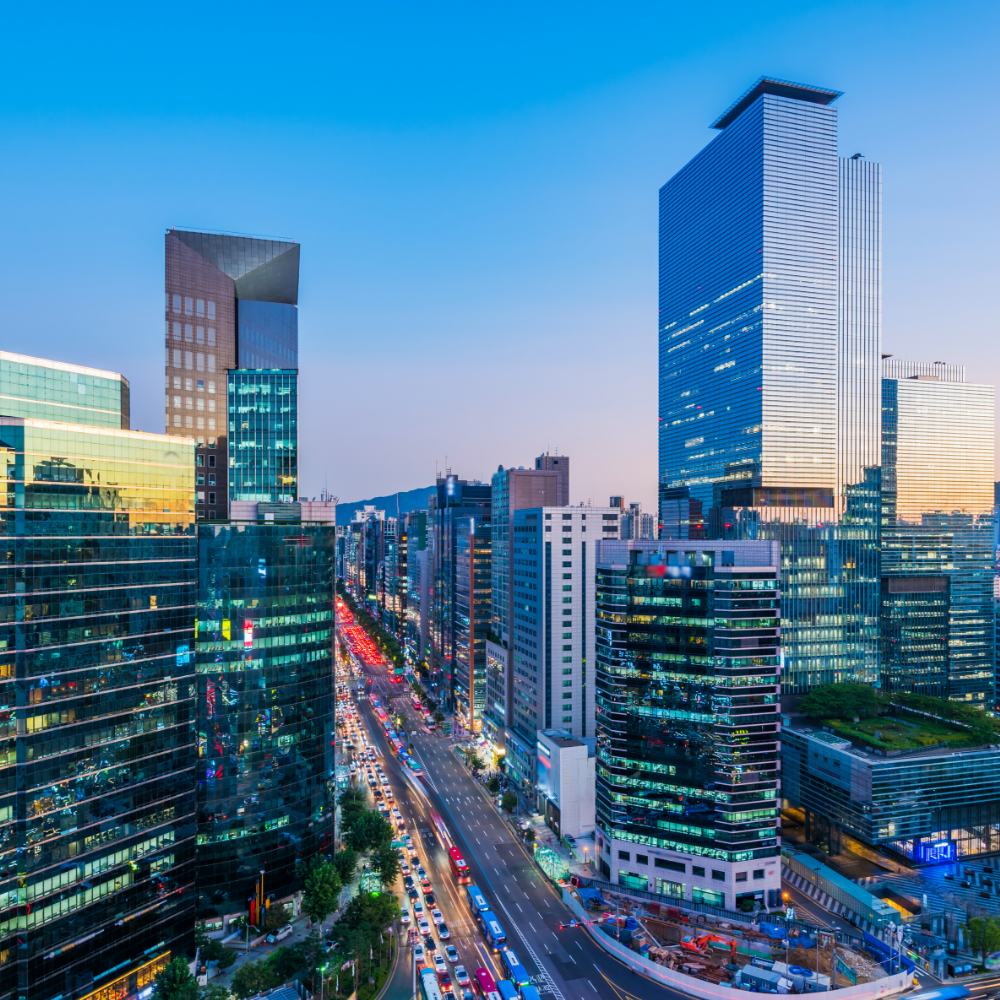
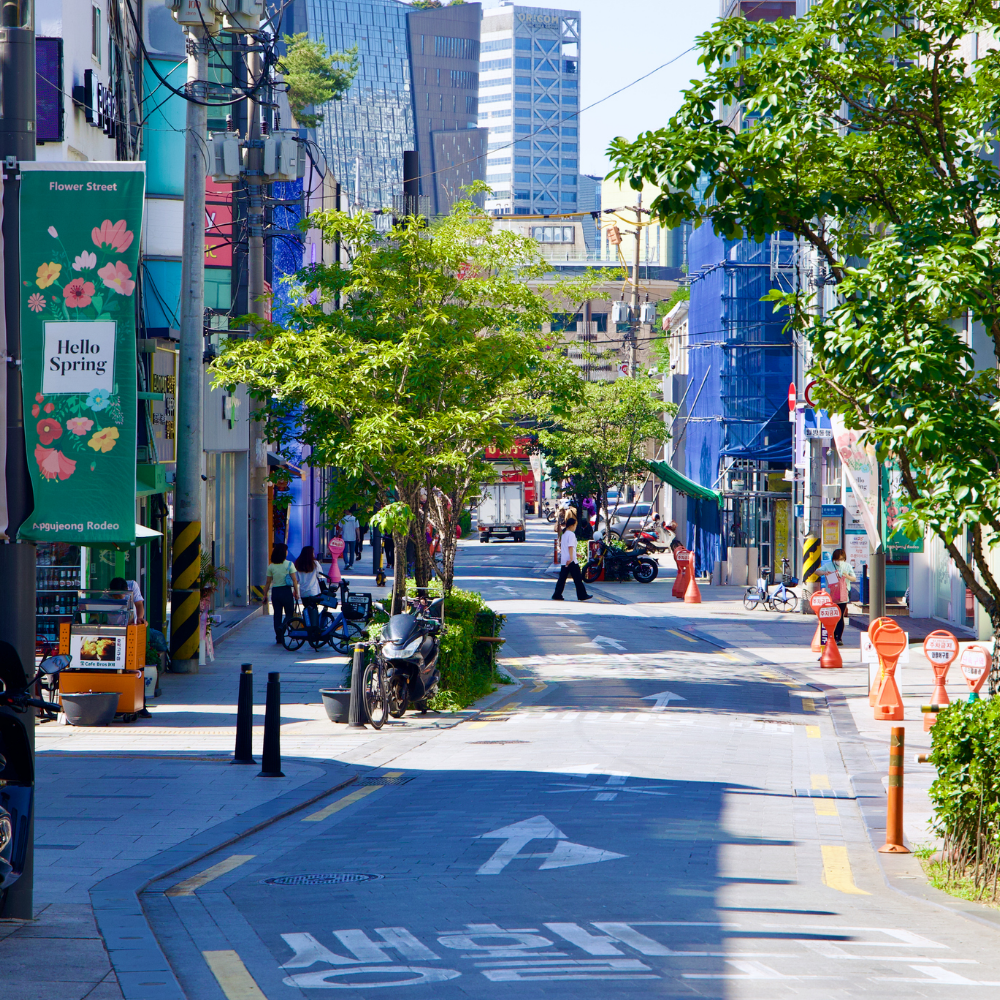
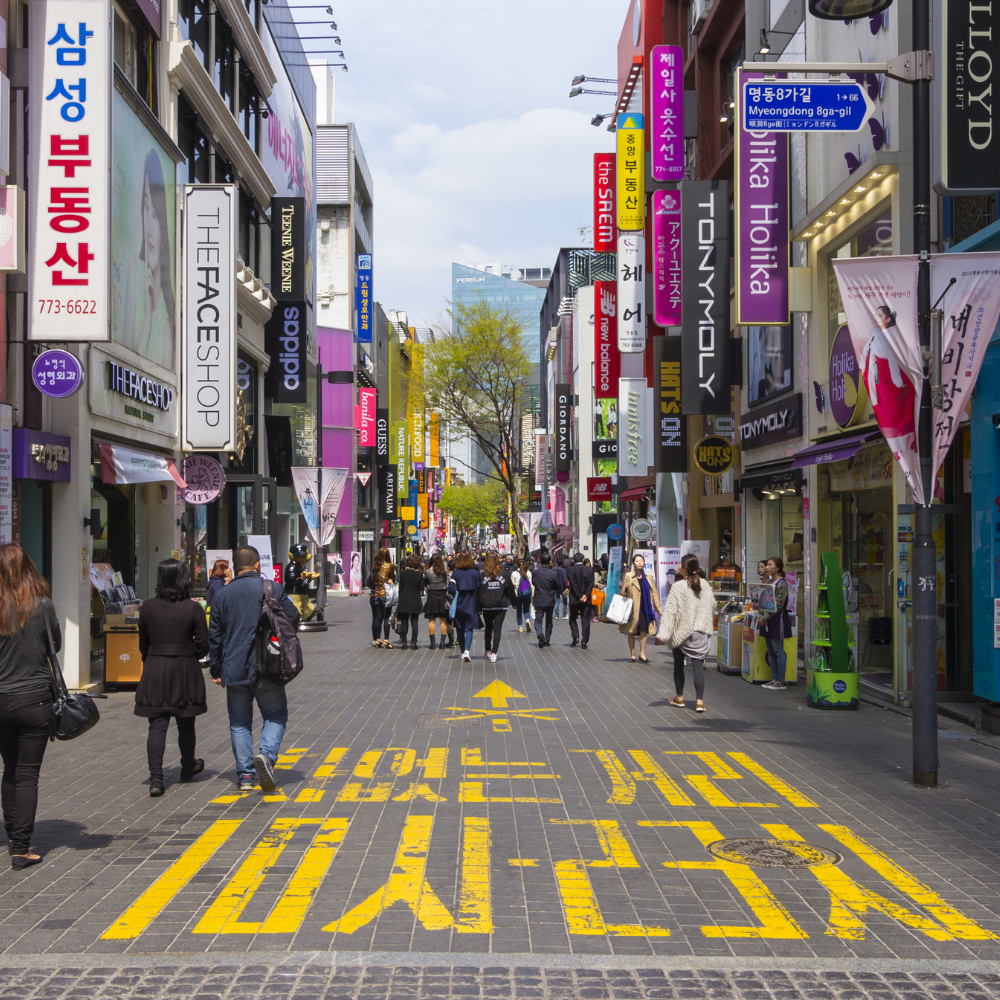
From a distance, the city looks almost architectural. Mountain ridges behind the skyline become visible in layers: pale blue, then slate, then a darker line at the edge of the sky. From close up, details stand out more clearly too. Street signs, apartment balconies, overhead cables, and even the texture of old brick walls in neighborhoods like Seongsu-dong and Mangwon-dong feel more defined under the hard, clean light of late winter.
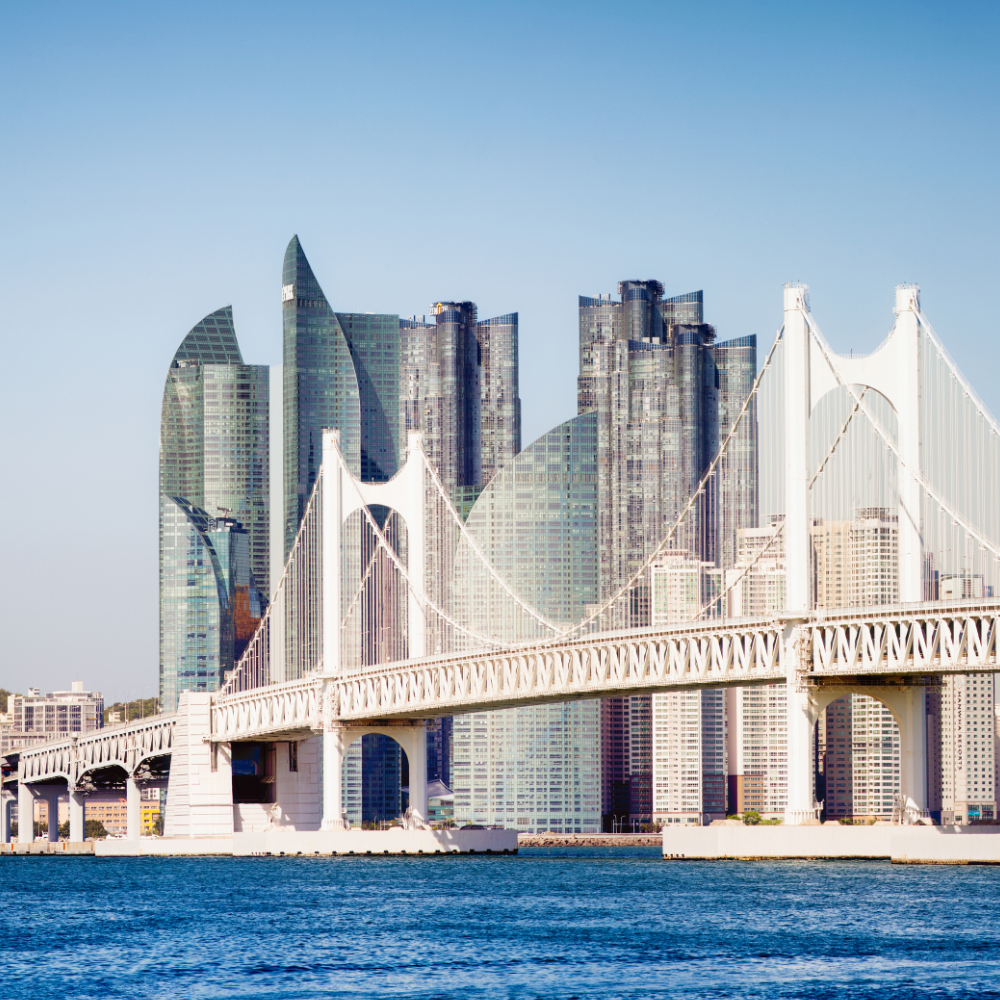
For many people living in Seoul, this is the month when they suddenly realize how large, and how compact, the city truly is. On a clear day, you can see from the Han River up to the mountains in one sweep of your eyes.
Best Places to Experience Clear Winter Views
You do not need a special tour to enjoy Korea’s late-winter clarity, but certain spots reveal it especially well. Think high, open, or riverside.
Namsan Seoul Tower is the most accessible place to see the city’s structure. On a clear February morning, the view from the observatory or even from the walking trails lets you trace the Han River, bridge by bridge, and follow the city’s sprawl all the way to the distant ridgelines.
On the northern side of the city, trails in Bukhansan National Park give you a different kind of clarity. Rocky peaks, bare winter trees, and the faint grid of apartments below create a layered panorama that is hard to capture in any other season.
Along the water, Hangang parks such as Yeouido, Banpo, and Ttukseom feel more open in February. With fewer cyclists and picnickers than in summer, the wide bike paths and riverbanks become quiet corridors where the reflections of apartments and office towers shimmer on a still, steel-blue surface.

How Locals Use This “Clear” Season
For many Koreans, February is not a peak travel month; it is a reset month. The Lunar New Year holidays have usually just ended, school has not fully started, and spring has not yet arrived. The city pauses between cycles.
Some people use this time to walk more, especially in the mornings. Office workers might get off the subway one stop early to enjoy a longer route in the cold sunshine. Photographers and hobbyists quietly agree that late winter is one of the best seasons for shooting the city: no humid haze, fewer tourists, and light that cuts cleanly across buildings and streets.
Indoors, this is also when many cafés switch their playlists and menus from heavy holiday drinks to simpler, quieter offerings. It is common to see people sitting alone by the window with a notebook, laptop, or just a hot Americano, watching the clear air outside and thinking about what the new year should really look like for them.
Practical Tips for Late-Winter Explorers
If you are in Seoul or planning to visit around February, you can make the most of this season with a few simple habits. First, check the daily air quality forecast; cold, clear days often show up as “good” or “moderate” on local apps, especially right after a strong northwesterly wind has passed through.
Second, time your walks or photo sessions around early morning or late afternoon. These are the hours when the city glows: sunrise light washing across apartment blocks, or golden-hour rays turning glass and concrete into soft gradients under a pale blue sky.
Finally, dress for the reality of late winter. The air may look inviting, but windchill temperatures can still be well below freezing. A long padded coat, scarf, gloves, and warm socks will keep you outside long enough to actually enjoy the clarity, rather than rushing back indoors after five minutes.
Dr. Beau’s Note
I like to think of late winter in Korea as a kind of skincare reset for the city itself. The air strips away excess humidity and haze, leaving behind clean lines, bare branches, and real textures. It is not glamorous in the usual way, but it is deeply honest. If you are in Seoul this season, give yourself one morning to simply walk, look up, and notice how far you can see. Sometimes clarity outside makes it easier to find clarity inside, too.