
How to Spend a Perfect Day in Bukchon Hanok Village: Cafes, Crafts & Culture
Bukchon is a residential neighbourhood, not an open-air museum, and that single fact now shapes how a day there works: the most photographed core lanes are a designated management zone with tourist visiting hours, effectively open from morning until 5pm, with guides on patrol asking for quiet. Plan the famous alleys for the morning, the craft workshops and tea for midday, and drift downhill to Samcheong-dong — which has no such restrictions — for sunset and dinner. Done in that order, the village gives you its best day.

Morning: The Lanes, While You Can
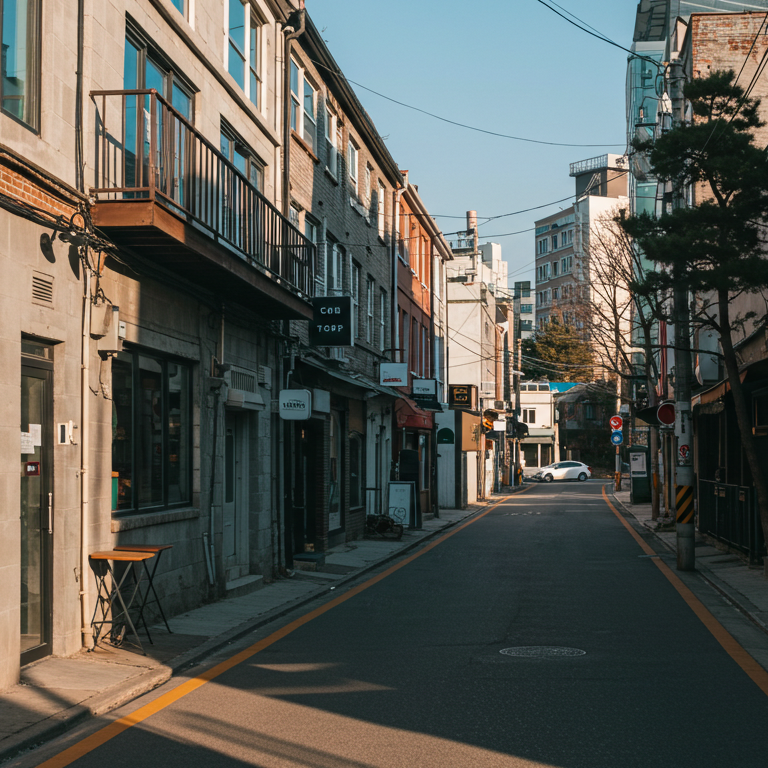
Start with the thing most guides bury: Bukchon's most famous lanes now keep hours. After years of overtourism strain on residents, the district designated the core of the village a special management zone, with tourist visiting hours that in practice mean the celebrated central alleys — the Bukchon-ro 11-gil area with the postcard view of tiled roofs stepping down toward the city — welcome visitors from morning until around 5pm, with red-jacketed guides on patrol reminding everyone to keep voices down. Rules and boundaries have been adjusted since introduction, so treat the posted signage on the day as the authority.
Far from ruining the visit, this solves your itinerary for you. Arrive at Anguk Station (exit 2) by nine, walk up through Gye-dong or straight to the viewpoints, and you will see the village in its best light twice over — morning sun on the rooflines, and lanes still quiet enough to hear your own footsteps. The classic route threads the eight so-called Bukchon views; you do not need to collect all of them, and the crowds concentrate so heavily on the single most famous alley that walking one street in either direction routinely gives you an equally beautiful lane to yourself.
Etiquette here is not decoration, it is the entry fee: keep your voice low, do not photograph into gates, windows or courtyards, stay off private steps, and take rubbish with you. These lanes are people's front doors, and the restrictions exist because too many visitors forgot that.

Midday: Crafts, Tea and Slower Rooms
Bukchon's second act is indoors, and it is the part day-trippers most often miss.
The public hanok institutions are the reliable anchors. The Bukchon Traditional Culture Center near the Gye-dong entrance is free, explains what you are actually looking at — how a hanok is built, why the village survived — and runs traditional craft programmes. Baek In-je House, a grand 1913 mansion open to the public at no charge, is the single best interior in the village: where the lanes show you hanok roofs, this shows you a hanok life, from the men's quarters to the garden. Several smaller museums, including one devoted to folk painting, dot the upper lanes.
Craft workshops cluster around Gye-dong and the streets below the ridge: short sessions in calligraphy, natural-dye work, hanji paper craft, ink stamps, fan painting and mother-of-pearl inlay, many bookable online in English and sized at an hour or two — enough to make something you will actually keep. Book a day or more ahead rather than counting on walking in, especially at weekends. If you want the experience without the commitment, the culture centre's programmes are the gentlest entry.
Lunch and tea belong to the hanok cafes and tea houses scattered through the village and down into Samcheong-dong — rooms built around courtyards, floor seating under paper-screened light, menus of traditional teas alongside the espresso Seoul cannot live without. Specific shops change hands often enough that naming them is a disservice; the reliable method is to pick any lane off the main flow and choose the courtyard that looks quietest. A citron or jujube tea taken slowly on a warm floor is the correct pace for the middle of this particular day.

Afternoon: Galleries and the Quiet Edges
By early afternoon the tour groups peak in the central lanes, which is your cue to be somewhere better. Bukchon's edges reward exactly the wandering its core now discourages.
Downhill to the west, the streets sliding toward Samcheong-dong hold a dense run of galleries — from major contemporary art houses to single-room spaces in converted hanok, most free to enter. This is one of the oldest gallery districts in the city, seeded decades before the cafes arrived, and even a casual forty-minute drift through three or four spaces gives the day a second texture.
Uphill and east, Gye-dong's long main lane runs past guesthouses, tiny shops and the daily life the postcard lanes no longer show — school kids, delivery scooters, grandmothers with shopping trolleys. It is the least performed part of the village and, for many visitors, the part they end up liking most.
On hanbok: rental shops cluster near Anguk Station, most including hairstyling and lockers, and wearing hanbok gets you free entry to the nearby palaces. If a palace is in your plans, rent in the morning and structure the day around it — Changdeokgung's entrance sits at Bukchon's eastern edge, close enough to fold into this same day if you have the energy. Photographing your hanbok in the village lanes is lovely; just remember the etiquette does not relax because you are dressed for the Joseon era.

Evening: Samcheong-dong and Sunset
As the management-zone hours close the upper lanes, the day flows naturally downhill into Samcheong-dong — ten minutes on foot, no restrictions, and arguably at its best exactly when Bukchon proper is winding down. The street running along the stone wall of Gyeongbokgung catches the last light beautifully, and the neighbourhood's mix — boutiques, dessert cafes, restaurants in converted hanok — is built for the unhurried end of a day rather than the efficient start of one.
For dinner, the area runs from noodle shops and tteokbokki institutions to full hanjeongsik table-spreads and modern Korean tasting rooms; walking the main street and its side alleys for ten minutes will show you the evening's realistic options and their queues. Book ahead only if you have your heart set on a specific style of meal at a weekend peak.
Two good endings, depending on energy. The gentle one: a final tea or glass of wine in a cafe with a view back up toward the rooflines you walked that morning. The photogenic one: the short climb toward the Samcheong Park side as the palace walls light up, then a taxi or the walk back down to Anguk. Either way you will have used the village the way it now wants to be used — fully, and then leaving it to its residents by nightfall.

Dr. Beau's Note
Reverse the order most people walk it. The crowds do Bukchon bottom-to-top: palace first, lanes at midday, and they hit the famous viewpoint at its most congested hour with the sun flat overhead. Start at the top instead — straight up to the high lanes at nine, then spend the rest of the day descending through workshops, galleries and tea toward dinner. You see the postcard view in morning light with a fraction of the company, and every subsequent hour of the day is downhill, literally and pleasantly. It is a small inversion that changes the entire texture of the visit.