
Gangnam Uncovered: Discover Korea's Most Stylish and Energetic District
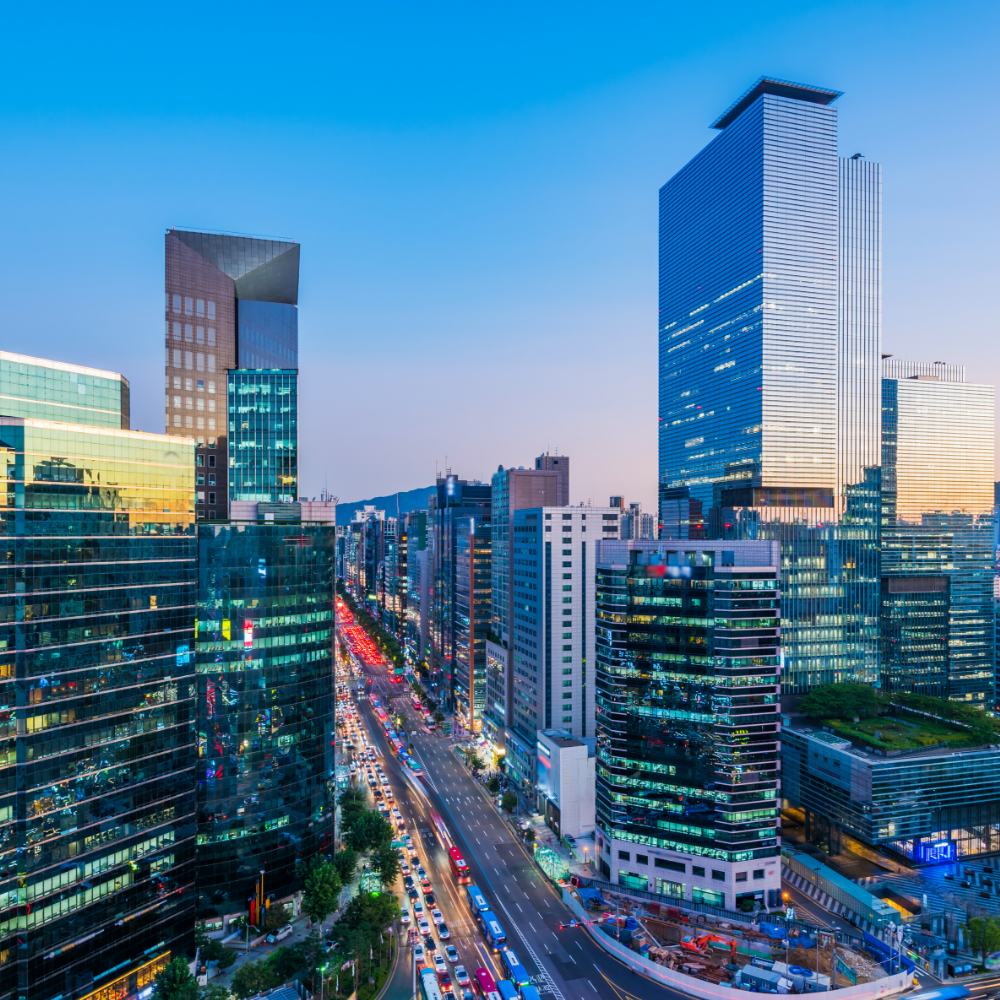
Gangnam is not one place. Sinsa and Garosu-gil are for browsing, Apgujeong Rodeo and Cheongdam hold the luxury and the clinics, Samseong is COEX and Bongeunsa, and Yeoksam is where people actually work. Arriving at Gangnam Station and expecting to have seen it is the standard mistake — that exit is an office and study district, and most of what visitors come for is one or two subway stops away.

What Gangnam Actually Is
The name means south of the river, and that is literally all it meant until fairly recently. This was farmland and floodplain into the 1960s. The area was developed deliberately and at speed from the 1970s onward, with the government steering infrastructure, schools and later corporate headquarters across the Han — which is why the street grid is so much wider and more regular here than in the older city north of the river, and why almost nothing in it is old.
That history explains the character. Gangnam was built as a project rather than accumulated over centuries, so it lacks the winding lanes and layered texture of Jongno or Seochon. What it has instead is scale, order and concentration: whatever a given block does, it does densely.
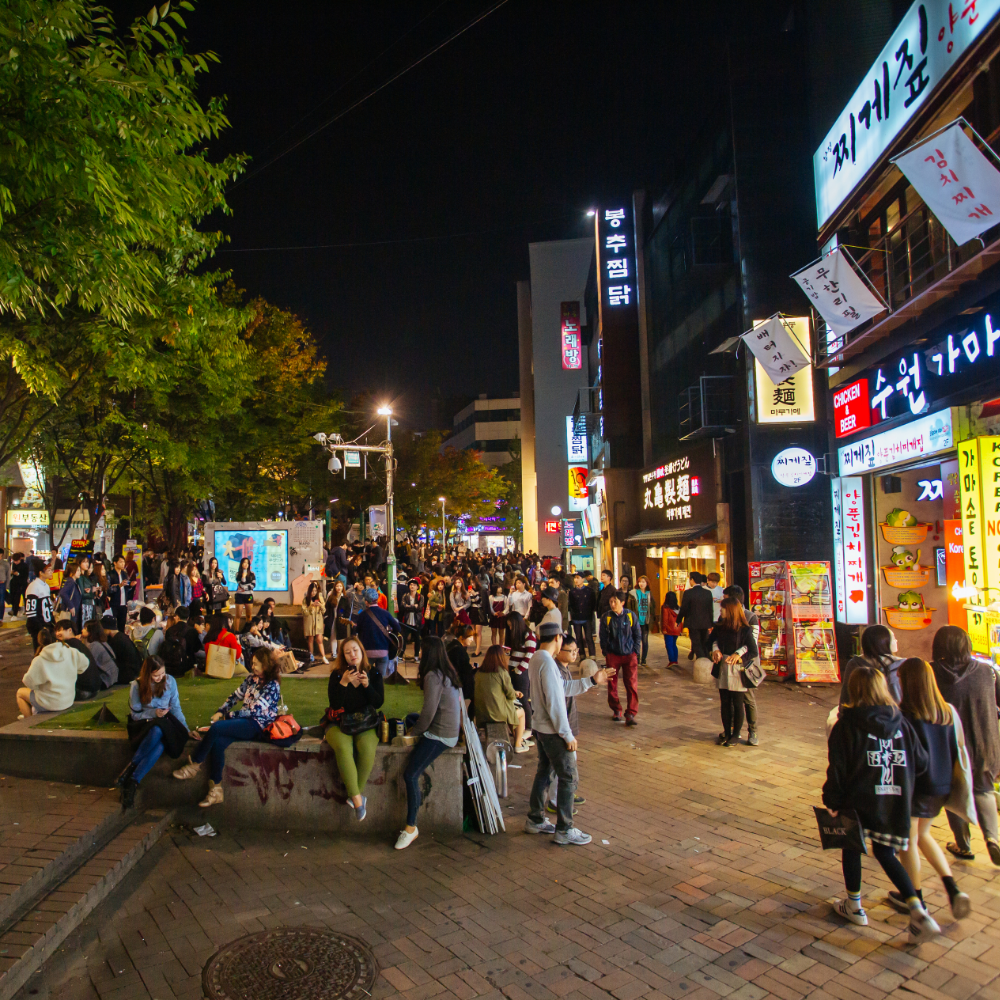
It is also worth being precise about the word. Administratively, Gangnam-gu is one of Seoul's twenty-five districts. Colloquially, people use Gangnam to mean the broader area south of the river that includes neighbouring Seocho-gu and sometimes Songpa-gu. And Gangnam Station is a specific place that is not especially representative of any of it — a busy intersection of offices, cram schools, chain restaurants and late-night crowds. It is worth seeing once. It is not what people mean when they talk about Gangnam style.

The Neighbourhoods, and What Each Is For
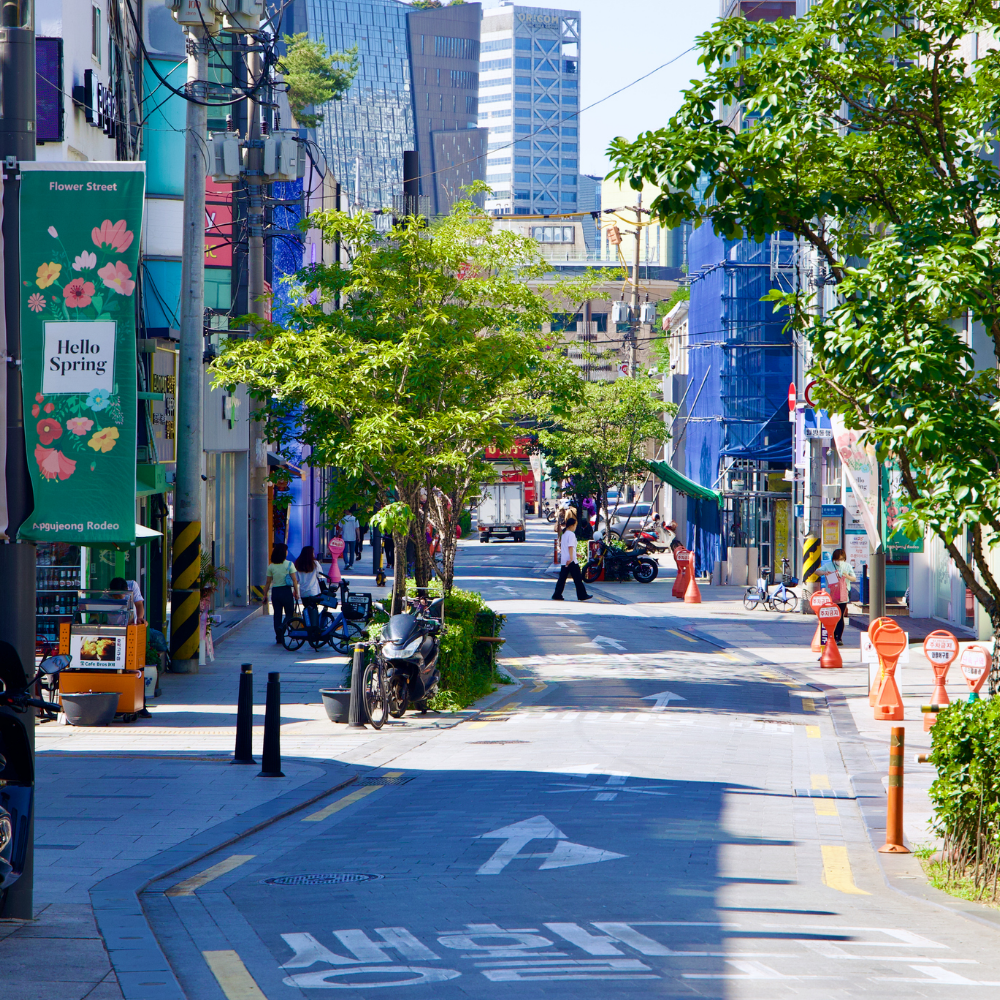
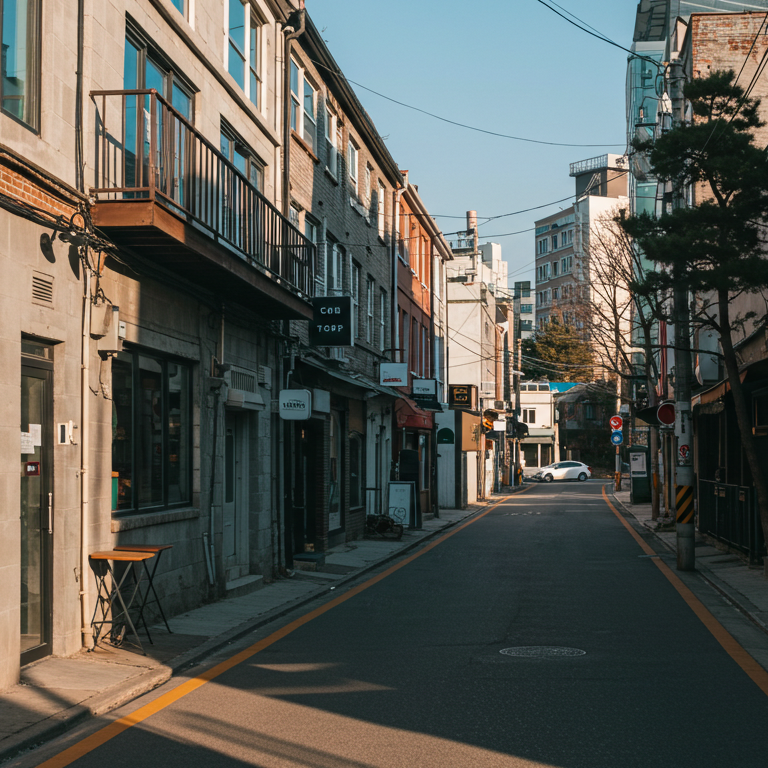
- Sinsa and Garosu-gil — the tree-lined street that gave the area its reputation, now a mix of flagship stores, cafes and galleries, with the quieter back lanes locals call Serosu-gil often more rewarding than the main run. This is the browsing neighbourhood.
- Apgujeong Rodeo — smaller boutiques, dessert cafes, hair salons and a very high concentration of aesthetic clinics. Busier and younger than Cheongdam, and the practical centre of the beauty district.
- Cheongdam — the luxury end. Flagship fashion houses along Cheongdam-dong Myeongpumgeori, entertainment company headquarters, and restaurants at the top of the city's price range. Quieter on foot than its reputation suggests.
- Samseong — COEX, one of the largest underground complexes in Asia, containing the Starfield Library with its much-photographed shelving, an aquarium and a cinema. Directly beside it sits Bongeunsa, a working Buddhist temple founded over a thousand years ago, which offers a templestay programme and is the sharpest contrast available in the district: a temple courtyard with a convention centre rising behind it.
- Seolleung and Jeongneung — a UNESCO-listed Joseon royal tomb site sitting in a wooded park in the middle of the office towers, and the most underused green space in Gangnam. Modest entry fee, mostly local walkers, and the best thing to do in the area on a hot afternoon.
- K-Star Road — the walking route between Apgujeong Rodeo and Cheongdam marked by bear sculptures representing K-pop groups, running past several entertainment company buildings. Fan-oriented and entirely free.

The Clinic District: How It Works
The stretch running from Sinsa through Apgujeong to Cheongdam holds one of the densest concentrations of dermatology and aesthetic clinics anywhere in the world. Whole buildings are given over to them, floor by floor. Many clinics maintain coordinators who speak English, Chinese or Japanese, and international patients are an ordinary part of the business rather than an exception.
If you are considering treatment, a few points are worth understanding before you arrive.
A coordinator is not a second opinion. Coordinators are genuinely useful — they translate, they manage scheduling, they explain aftercare. They are also, in most clinics, part of the commercial side of the operation. Treat their guidance as service rather than as independent medical advice, and make sure you have a conversation with the doctor who will actually perform the procedure.
Confirm who is treating you. Ask directly which doctor will carry out the procedure, and expect a clear answer. Korea has legislated on this more seriously than most countries: since September 2023, medical institutions performing surgery on patients under general anaesthesia have been required to install CCTV in operating theatres and to record on the patient's request, with footage retained for at least thirty days and release governed by consent or a court. No other country mandates this by law. If you are having anything done under general anaesthesia, you are entitled to ask for recording.
Book directly or through a registered facilitator. Korea operates a registration system for medical tourism agencies. Unregistered brokers exist and are typically paid a commission by the clinic, which shapes where you are sent. Booking with the clinic yourself, or through a registered facilitator you have verified, removes that incentive from the chain.
Ask the unglamorous questions at consultation. What is included in the quoted price and what is billed separately. What the revision or correction policy is. What happens if a complication appears after you have flown home, and who you contact. Whether follow-up appointments are scheduled before you leave. A clinic accustomed to international patients will have ready answers.
Leave time. Build buffer days into the trip rather than treating the clinic as the last item before the airport — swelling, bruising and review appointments all need room, and some procedures make flying immediately afterwards inadvisable.

Eating, Nightlife and Getting Around
Eating. Gangnam runs the full range, and the useful distinction is by neighbourhood rather than by cuisine. Cheongdam and Apgujeong hold the high end, including several of the city's fine-dining rooms. The lanes around Gangnam and Yeoksam stations feed office workers, which means good, fast, reasonably priced Korean food and a great many barbecue restaurants. Garosu-gil is where the cafes and dessert culture concentrate. For late food, the area around Gangnam Station stays open well past midnight.
Nightlife. Gangnam's club scene sits at the expensive end of Seoul's, with door policies and table service that can catch visitors out; Hongdae and Itaewon are the cheaper and more casual alternatives. Noraebang — private karaoke rooms rented by the hour — are everywhere, open very late, and are the more universally enjoyable option. Rooftop bars cluster around Cheongdam and the COEX area.
Getting around. Subway Line 2 runs along the district's spine through Gangnam, Yeoksam and Samseong; Line 3 covers Sinsa, Apgujeong and Express Bus Terminal; the Bundang line serves Apgujeong Rodeo and Cheongdam. Buy a T-money card at any convenience store. Distances between these neighbourhoods look walkable on a map and often are not — the blocks are long, so plan a stop or two on the subway rather than a thirty-minute walk in summer heat.
From the airport. The airport limousine bus runs directly from Incheon to hotels across Gangnam and is the simplest option with luggage. The AREX train to Seoul Station with a transfer to Line 2 is faster in traffic and cheaper.

Dr. Beau's Note
If you are in Gangnam for a clinic appointment, book the consultation and the procedure on different days rather than back to back. Every clinic will happily do both in one visit, and it is the arrangement that produces the most regret — you are making a decision in the same hour you were given the information, in a room designed to make saying yes easy. A night to think, and the option to walk into a second clinic the next morning, costs you one extra day of a trip you have already paid to take. Almost nobody regrets the extra day.