
How to Travel Korea Without Speaking Korean: Best Apps, Etiquette, and Easy Survival Tips
Traveling Korea without speaking Korean is much easier than many first-time visitors expect. With the right translation, map, taxi, and subway apps, plus a few simple etiquette habits, you can move through Seoul and beyond with far more confidence. This guide explains what actually helps, what to download before your flight, and how to handle the moments that usually stress travelers out most.

Can You Really Travel Korea Without Speaking Korean?
Yes, you can. Korea is one of the easiest countries in Asia to navigate without local-language fluency if you prepare your phone well and stay flexible. The country is highly digital, public transport is structured, major cities are safe and efficient, and many travel situations can be solved with one of three things: a map app, a translation app, or simply showing someone the destination written in Korean.
That said, Korea does not always work the way Western travel habits expect. Google Maps is not the best navigation tool for local transit and walking, and some daily services lean heavily on Korean platforms. This is why first-time visitors often feel more overwhelmed before the trip than during it. Once the right tools are in place, most everyday situations become surprisingly manageable.
The biggest mindset shift is this: do not aim to sound local. Aim to move clearly. If you can translate menus, follow subway routes, point to what you need, and act politely, Korea becomes much easier than many travelers imagine.

The Best Apps to Download Before You Arrive
If you download only a few apps before landing, make them count. The most useful combination is usually one app for translation, one for maps, one for taxis, and one for subway routing. That four-app setup solves most of what travelers struggle with.
Papago is still one of the most useful Korean translation tools for travelers because it handles Korean well across text, voice, and image translation. For navigation, NAVER Map remains essential because it supports local transit, walking, and place search far better than the map tool many foreign visitors try first. For taxis, Kakao T is still the strongest local choice for many visitors, especially when language would otherwise slow down the ride-hailing process. And for rail navigation, the official Seoul Subway app and other subway-focused route apps make transfers easier to understand for foreign users.
It also helps to prepare your connection before arrival. A working eSIM or pocket Wi-Fi often matters more in Korea than in some other destinations because so much of the country’s day-to-day travel logic runs through mobile apps, real-time transit data, and QR-based information.
One important update for travelers is that Uber is no longer something you can dismiss entirely in Seoul, but Kakao T still fits local habits better in many situations. If you want the smoothest Korea-specific routine, Papago plus NAVER Map plus Kakao T is still the most practical core setup.

Cultural Habits That Make Travel Smoother
Language barriers become easier to handle when your behavior already signals respect. In Korea, this matters. You do not need perfect etiquette, but a few habits make interactions noticeably smoother. A small nod, a patient tone, and a short thank-you can do more than a long sentence in broken Korean.
A few simple habits go a long way. Keep your voice lower on public transport. Wait your turn carefully in lines. Remove shoes when entering homes or some traditional stays. If you hand over a card, cash, or an item at a counter, using both hands or supporting one hand with the other can read as more respectful, especially in formal situations. And if you are unsure what to do, pause and observe before acting too quickly.
For useful phrases, travelers rarely need many. 감사합니다 (gamsahamnida, thank you), 이거 주세요 (igeo juseyo, this one please), and 실례합니다 (sillyehamnida, excuse me) cover more situations than many visitors expect. The point is not fluency. It is tone.

How to Handle Common Real-Life Situations
The moments that worry travelers most are usually very ordinary: ordering food, finding the right exit, calling a taxi, or buying skincare. In Korea, these become much easier when you stop trying to explain everything verbally. Instead, show what you need. Pointing to a menu item, showing a saved destination in Korean, or letting the app speak for you is often the fastest solution.
In restaurants, photos, menu numbers, and translation apps do a lot of the work. In taxis, entering the destination directly into Kakao T or showing the Korean address is usually far more effective than saying the place name in English. In stores, especially beauty stores, staff often understand basic product words like sunscreen, cleanser, toner, or moisturizer, and a photo reference makes things even easier.
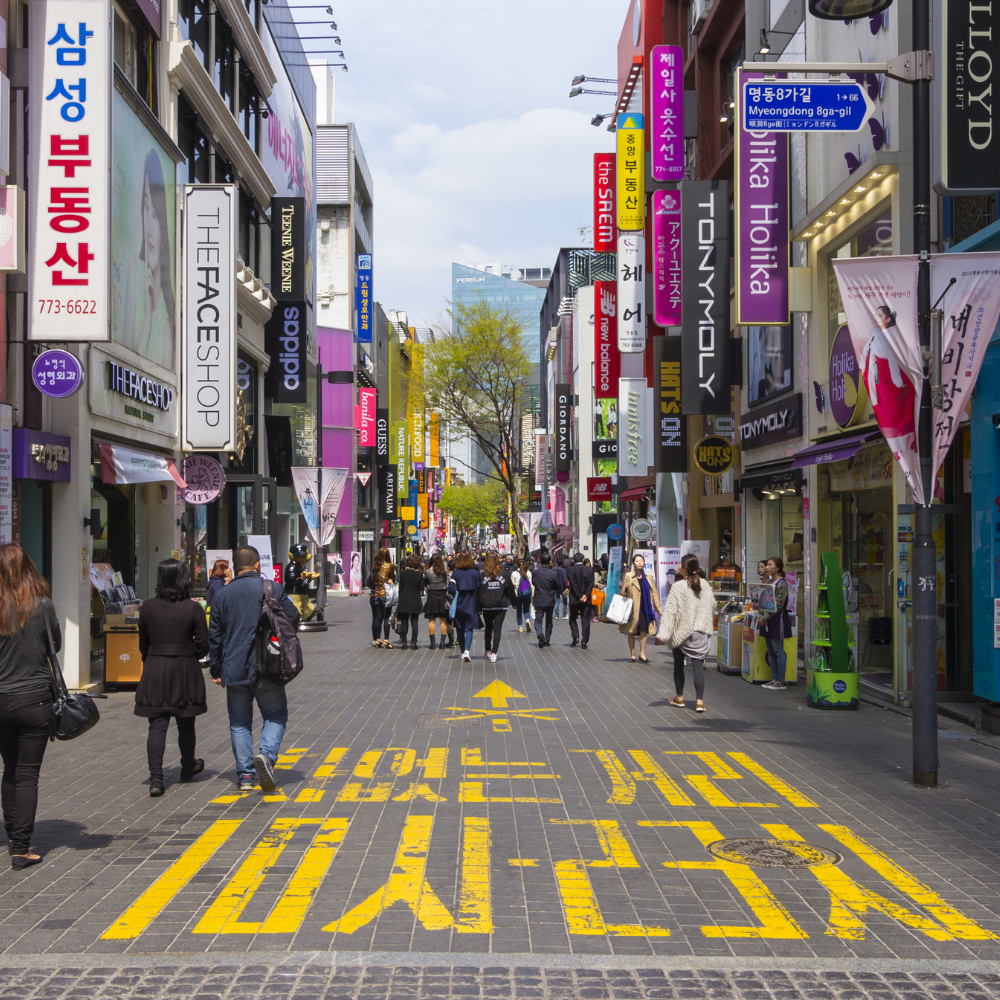
For navigation, the biggest trick is to rely on Korean-formatted destinations rather than trying to improvise on the street. Save your hotel name in Korean, keep screenshots of important addresses, and bookmark places in NAVER Map before you leave your hotel each morning. That one habit removes a surprising amount of stress.
Korea becomes much easier when you stop treating every silence like a problem. Point, pause, smile, confirm, and move on. That rhythm works.

Dr. Beau's Note
You do not need perfect Korean to enjoy Korea deeply. What you need is a better travel rhythm: translate when needed, observe before reacting, save your destinations in advance, and stay polite even when the moment feels awkward. Korea is far easier to enjoy once you stop trying to perform confidence and simply use the tools available well.