Korean Four-Cut Photo Booths: Why Self-Studios Still Matter
Discover why Korea's four-cut photo booths still matter in the AI era, from themed frames and studio lighting to Gen Z culture, fandom trends, and easy travel memories in Seoul.

How Four-Cut Photo Culture Took Off in Korea
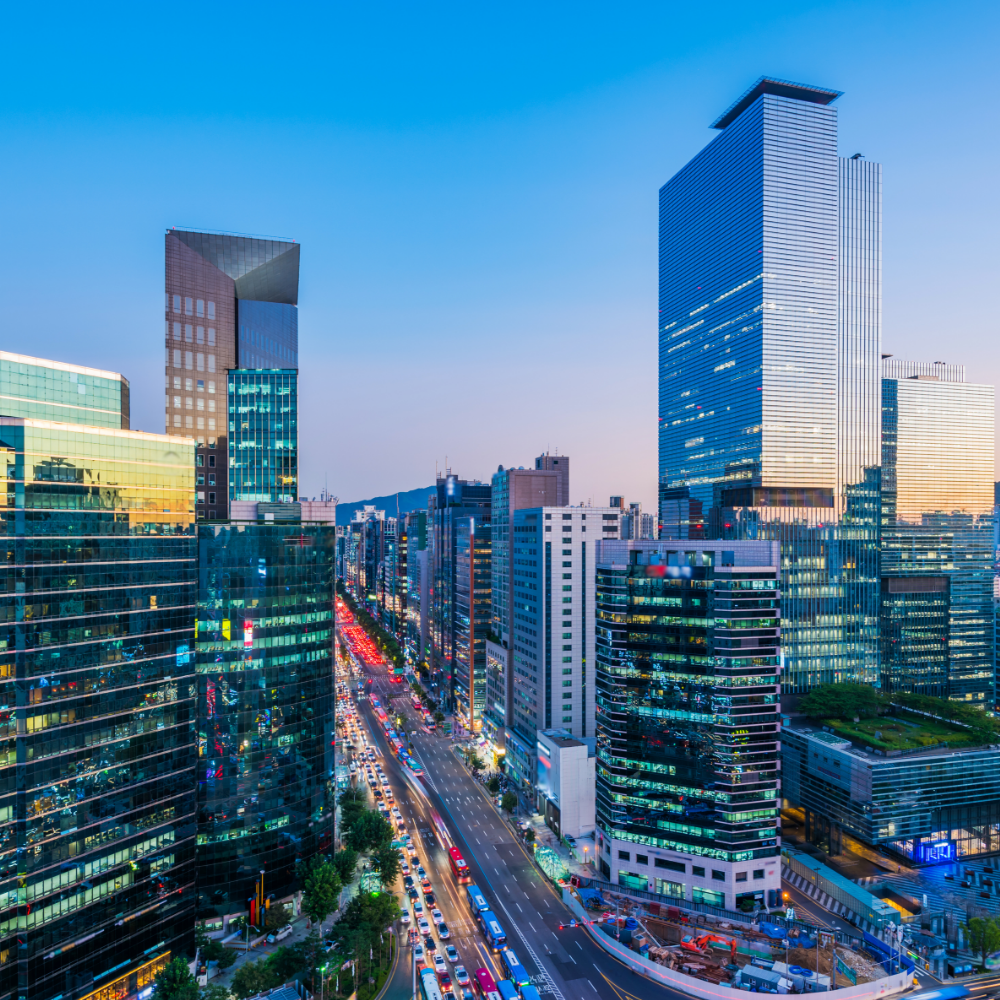
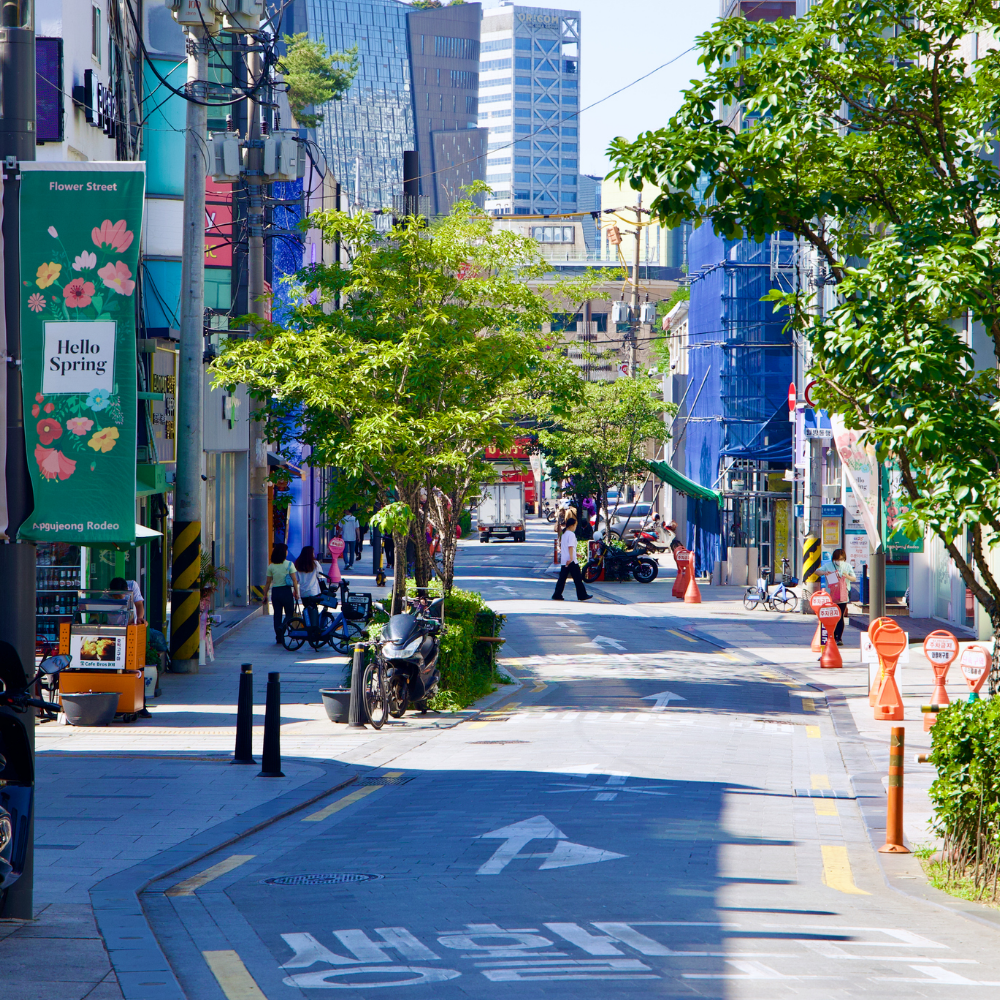
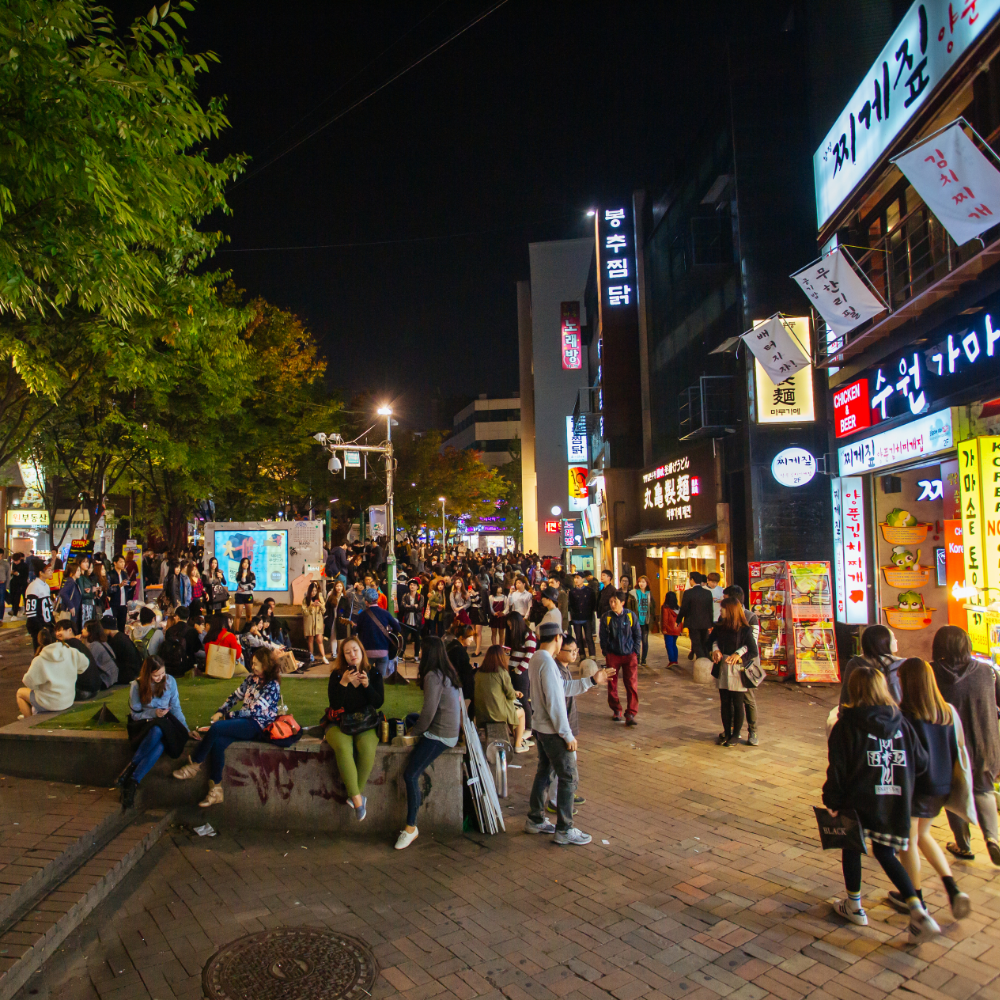
Korea's four-cut photo booth culture has grown far beyond a simple arcade-style souvenir. In recent years, self-photo studios have become a familiar part of everyday social life, especially for teens and people in their twenties. Life4Cuts, the brand whose name became shorthand for the whole format, started with a single unmanned booth in Daegu in 2017 and had close to 400 stores nationwide by October 2022, a sign of how quickly the format spread. These booths are now treated as both entertainment and memory-making spaces, especially in neighborhoods like Gangnam, Hongdae, and Seongsu.
Part of the appeal is how distinctly Korean the experience feels. A four-cut strip is quick, affordable, and easy to carry, but it also feels styled and intentional. That mix of convenience and visual identity is one reason the culture has stayed strong even as phone cameras and AI image tools have improved.

Why Modern Self-Studios Feel Different
Today's Korean self-studios are more polished than many visitors expect. Tourism sources note that some booths now include studio-quality lighting, touch-up tools, QR downloads, and even built-in AI filters that soften skin tone or adjust facial details. That means the experience feels closer to a mini self-shoot than a basic vending-style booth. Many locations also rotate themed frames tied to celebrities, dramas, characters, or seasonal campaigns.
That shift matters because it changes the purpose of the photo. People are no longer using booths only for cute keepsakes. They are using them to create mood-driven images, K-pop fandom memorabilia, friendship records, and travel souvenirs that feel more personal than a casual smartphone selfie.

Why Gen Z and Tourists Keep Coming Back
For Korean Gen Z, four-cut booths are not just a place to take pictures. They are a lightweight way to turn friendships, fandom, or a specific day into something physical and shareable. A printed strip feels more intentional than a disappearing social media story, and the frame itself often carries cultural meaning, especially when it connects to a favorite idol, show, or seasonal event.
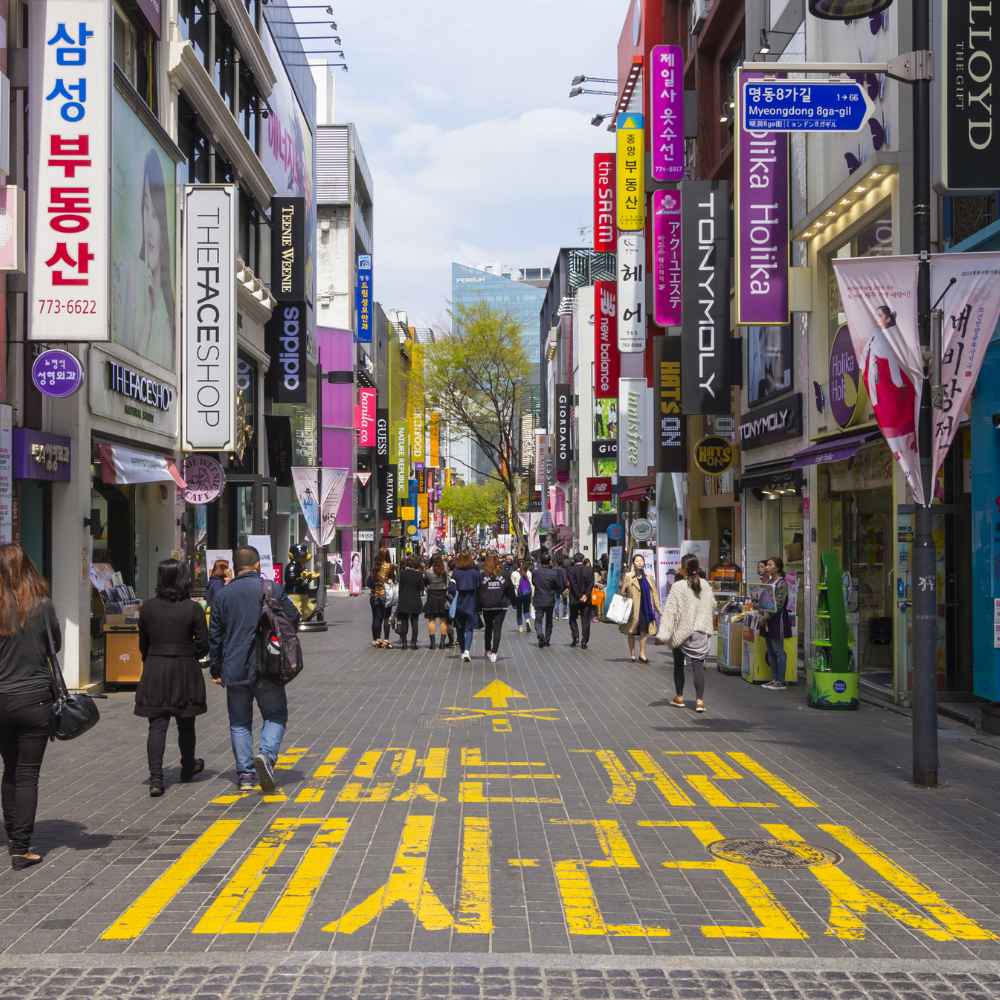
Tourists respond to the format for a different reason. It is one of the easiest cultural experiences to try in Seoul without needing language fluency or advanced planning. Booths cluster near major attractions and shopping streets, so they slot easily into a day of visiting Seoul's best photo spots, which helps explain why so many foreign visitors now include them in their Korea itinerary.

What the Future of Korean Photo Booths Looks Like
The future of Korean four-cut booths will likely build on what already works best: better lighting, stronger frame design, smarter personalization, and faster digital delivery. AI enhancement is already part of the experience in some booths, and themed collaborations continue to keep the format fresh. Rather than replacing the charm of the printed strip, digital features are helping the experience feel more seamless and more shareable.
That is why these studios still matter in the AI era. The value is not only the final image. It is the ritual of stepping inside, posing with intention, choosing a frame, and leaving with something tangible. In a culture saturated with endless digital images, that small physical record still feels special.

Sori's Note
Korean four-cut photo culture lasts because it offers something many digital tools do not: a physical memory that still feels styled, current, and social. In that sense, it sits naturally within Korea's wider visual culture, where presentation, mood, and personal identity are all part of the experience.
What interests me most is the frame. Booths swap designs for idol birthdays, drama releases and seasons, so a strip quietly records what people cared about on a given day. Collect a few over one trip and you have a small archive of Seoul at that moment.