
What Is Korean Fried Chicken, and How Do You Order It in Seoul?
Korean fried chicken, or chikin, is chicken fried twice for a thin, crackling shell, then served plain, glazed in a sweet and spicy sauce called yangnyeom, or dusted with seasoning. In Seoul you usually order a whole bird, or half fried and half sauced, which locals call banban, with boneless as an option, and it comes with a free bowl of pickled radish. The big chains are bhc, Kyochon, BBQ and Goobne, and the classic way to eat it is chimaek: chicken with a cold draft beer.

What Makes Korean Fried Chicken Different?
Koreans call it chikin, borrowed straight from English, and it is less a dish than a national habit. Chicken shops sit on almost every block in Seoul, in office districts, around universities and at the bottom of apartment towers, and the scooters leaving them at nine in the evening are a part of the city's soundtrack.
The difference starts in the fryer. Korean fried chicken is usually fried twice, which renders out the fat under the skin and leaves a shell that is thin, dry and loud when you bite it, rather than thick and bready. The pieces are cut smaller than you may be used to, so a whole bird arrives as a generous pile of drumsticks, wings and bite-size chunks.
Then comes the coating. Most menus are built on a few styles:
| Style | What it is | Good if you like |
|---|---|---|
| Huraideu (fried) | Plain, crisp, lightly salted | The texture above all |
| Yangnyeom (sauced) | Tossed in a sticky sauce of chili paste, garlic and syrup | Sweet heat and a glossy finish |
| Ganjang (soy) | Brushed with a soy and garlic glaze | Savory and less spicy |
| Seasoned | Dusted with cheese, onion or pepper powder | Snack flavors, like chips |
On top of these, every chain keeps adding new sauces and seasonings each season, which is half the fun: Seoul's chicken menus change faster than most cafe menus.

How to Order: Whole, Banban or Boneless
Korean chicken is sold by the bird. The standard order is one whole chicken, han mari, which comfortably feeds two people with a drink, or three if there are other dishes on the table. Some shops sell half portions, but most menus assume you are sharing.
If you cannot choose between plain and sauced, order banban, which means "half and half." You get half the bird fried and half in yangnyeom, and many places let you pair any two flavors on the menu. If you would rather skip the bones, look for sunsal, boneless chicken made from thigh and breast meat. It is easier to eat with chopsticks and very popular with younger diners.
Whatever you order, a small bowl of cubed pickled radish called chikin-mu comes with it. It is sweet, sour and cold, and it is there to cut through the oil between bites. Most shops also add a little cabbage salad or a dipping sauce, and you can ask for extra radish without any awkwardness.
A few phrases help. Point at the menu and say the flavor, followed by "han mari, juseyo" for one whole chicken, or "banban, juseyo" for half and half. Many chain shops near tourist areas have picture menus, and some have tablet ordering at the table with an English option.

The Big Chains and What They Are Known For
Seoul has thousands of independent chicken shops, but a handful of chains set the trends, and their signature menus are worth knowing by name.
bhc is the chain behind Bburinkle, chicken shaken in a sweet, cheesy seasoning powder that has been a best-seller for years. Its newer hit is Kwasak King, a crunchy coated chicken launched in early 2025. According to the company, it passed 10 million orders within 17 months, and it topped Naver searches for chicken menus in the first half of 2026.
Kyochon is famous for its brushed soy garlic chicken and for Honey Combo, a mix of wings and drumsticks in a sweet honey glaze, plus a spicy Red line. The chain is known for brushing its glaze onto each piece by hand, so orders can take a little longer. BBQ built its name on Golden Olive chicken, which the chain fries in olive oil, and keeps releasing spicier spin-offs. Goobne is the oven-roasted option, and its Gochu Basasak, roasted chicken with green chili, is one of the most searched menus in the country.
You will also see Nene, Puradak, Cheogajip and many neighborhood names. There is no single best chain; locals tend to pick one for plain fried chicken and another for sauced, and argue about it happily.

Chimaek: Where Seoul Eats Its Chicken
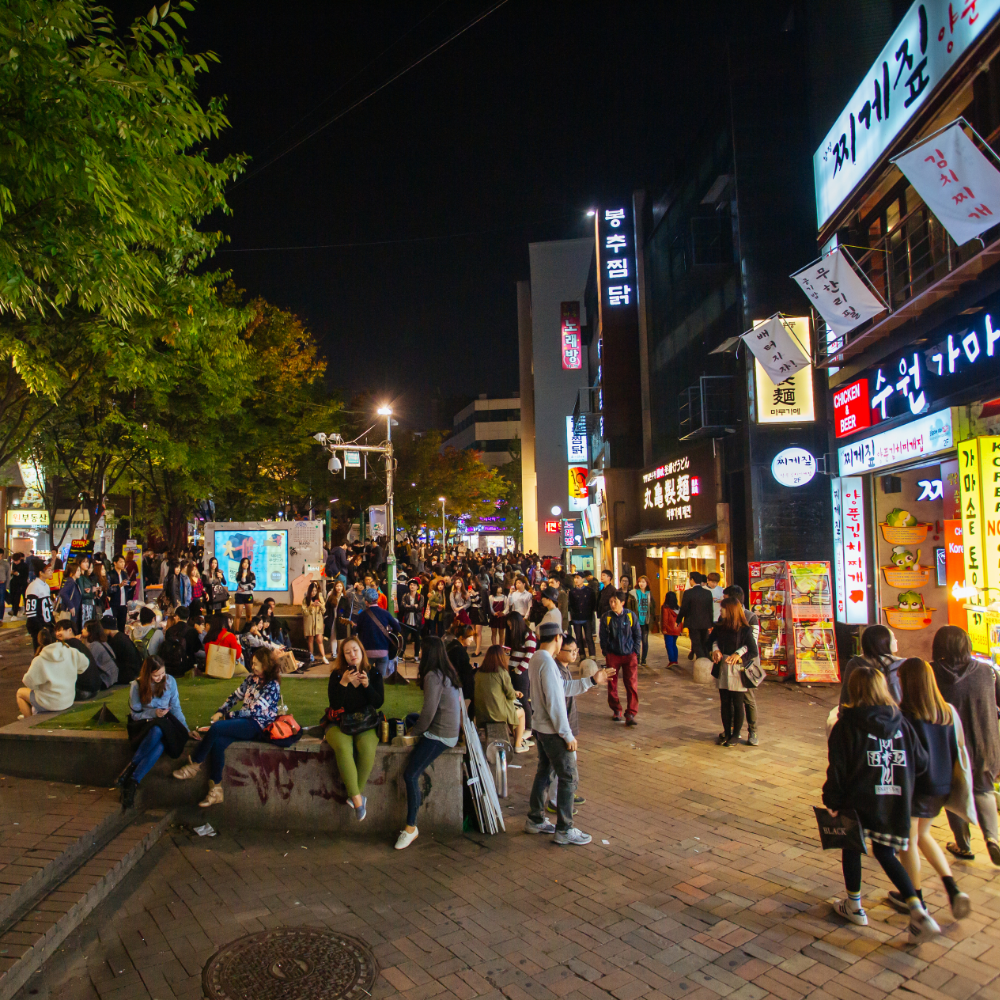
Chimaek is chikin plus maekju, beer, and the pairing is so natural in Korea that many chicken restaurants are really beer halls, called hof. You sit down, order a whole chicken and a pitcher or two of draft beer, and stay for hours. Evenings and weekends are busiest, and a big football or baseball match fills every table in sight.
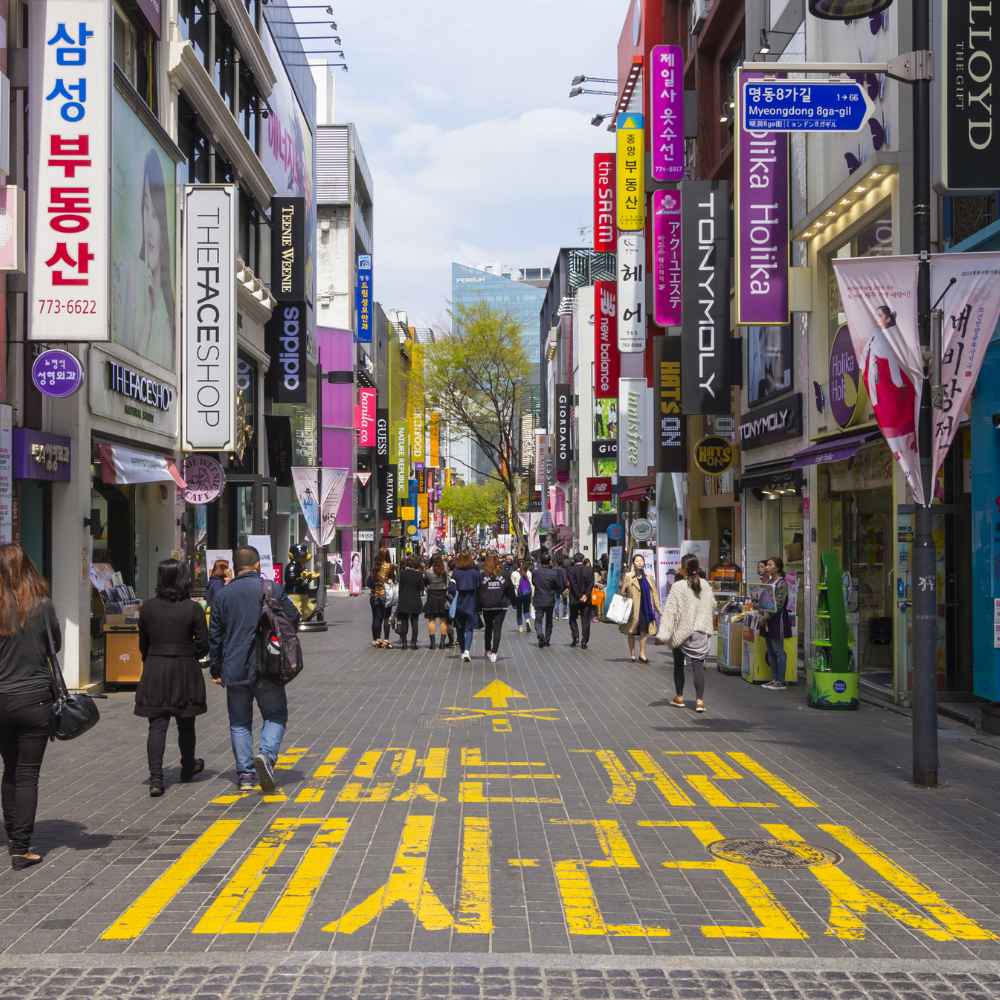
In Seoul you will find chain branches and hof-style chicken pubs in every nightlife area: Hongdae, Sinchon, Konkuk University, Gangnam and the side streets of Myeongdong are all easy bets for a late meal. Most open in the afternoon and serve well past midnight, though hours vary by shop.
Chicken is also Korea's favorite delivery food. If you are staying in an apartment or a hotel that allows it, a chicken order is often how Seoul ends its day; our guide to food delivery in Korea explains how ordering works as a visitor. In warmer months, people even have chicken delivered to the riverbank for a Han River night picnic, and the city of Daegu turns the whole pairing into a summer festival.

Market Chicken and Dakgangjeong
Before the chains, there was market chicken. Traditional markets still sell old-fashioned whole fried chickens, called yennal tongdak, fried in big kettles and handed over in a paper bag, often with a few fried gizzards on the side. The batter is thinner and the seasoning simpler, and the only catch is usually a short queue.
Markets are also where you find dakgangjeong, bite-size fried chicken tossed in a sweet, sticky, slightly spicy glaze and sold by the box or by the cup. It holds up well cold, which makes it a favorite train snack. Coastal Sokcho is especially known for it, and our Sokcho winter guide includes the market where people line up for boxes to take home.
In Seoul, look for dakgangjeong and cup chicken stalls in traditional markets and around busy street food lanes. It is the easiest way to try Korean fried chicken alone, without committing to a whole bird.

Haru's Note
Order your first chicken in Seoul late, after a long day of walking, and order banban even if you are sure you only like one kind. Half the pleasure is reaching across the box and changing your mind.
And eat the radish. It looks like a side dish nobody asked for, but by the fourth piece you will understand why every shop in the country sends it.