
Korean Signature Facials: What Actually Happens in the Room
A signature facial in Korea is a sequence rather than a single treatment: cleansing and gentle exfoliation, hydration driven in with a device, a calming or light-based step, and a finishing mask. The immediate effect on hydration and light reflection is real and lasts days rather than months. The more useful thing to understand before booking is the difference between a medical clinic and an esthetic salon, because in Korea they are legally distinct, staffed differently, and permitted to do different things to your face.

Clinic or Salon: The Distinction That Matters
Visitors book something called a facial and end up in one of two quite different kinds of establishment, often without realising there was a choice.
A medical clinic operates under medical licensing with a doctor on site. Procedures classed as medical — injections, medical lasers and similar — must be performed by qualified medical personnel. A facial programme at a clinic typically sits alongside those services and may incorporate medical-grade devices, with a consultation attached.
An esthetic salon is a beauty establishment. The care can be excellent, the rooms are often lovelier, and the treatment is generally more relaxing. What it cannot legally do is perform medical procedures. This boundary is taken seriously in Korea, and a salon offering something that sounds medical is a reason to ask questions rather than to be impressed.
Neither is better in the abstract. If you want an hour of skilled, comfortable care and a good glow for a dinner, a salon is the right choice and often the more pleasant one. If your skin has a problem you want addressed — persistent breakouts, pigmentation, reactivity — that belongs in a clinic, and a facial alone is unlikely to be the answer.
What to ask when booking: who performs the treatment, whether a doctor sees you, and which devices are included. Clinics answer this readily.

What Happens, Step by Step
Programmes differ, but the architecture is consistent. A typical session runs somewhere around an hour to ninety minutes.
- Skin assessment. Many clinics photograph and analyse the skin first, sometimes with ultraviolet or cross-polarised imaging. Worth having even if you never return, since it gives you a baseline.
- Cleansing and gentle exfoliation. Frequently a vacuum-and-solution device that lifts debris while delivering a mild exfoliating fluid — the category most people know as an aqua peel or hydro-type facial.
- Extraction, if included. The step most worth asking about in advance. Skilled extraction is useful; aggressive extraction leaves marks that last far longer than the facial's benefit. Say clearly if you would rather it were limited.
- Device-assisted infusion. Electroporation, microcurrent, ultrasound or similar used to drive an ampoule into the skin more effectively than topical application alone. The ampoule is usually chosen for your concern — hydrating, calming, brightening.
- A calming or low-intensity device step. LDM ultrasound, cryo tools, or a gentle radiofrequency handpiece, depending on the programme.
- LED. Red for calming and recovery, blue where breakouts are a concern. Undramatic, comfortable, and the point at which most people fall asleep.
- Finishing mask and barrier care. A cooling or hydrating mask, then moisturiser and sun protection.
The sequence is deliberate: clean, exfoliate lightly, deliver actives while the barrier is most receptive, calm what you have just stimulated, and seal it.

Booking It as a Visitor
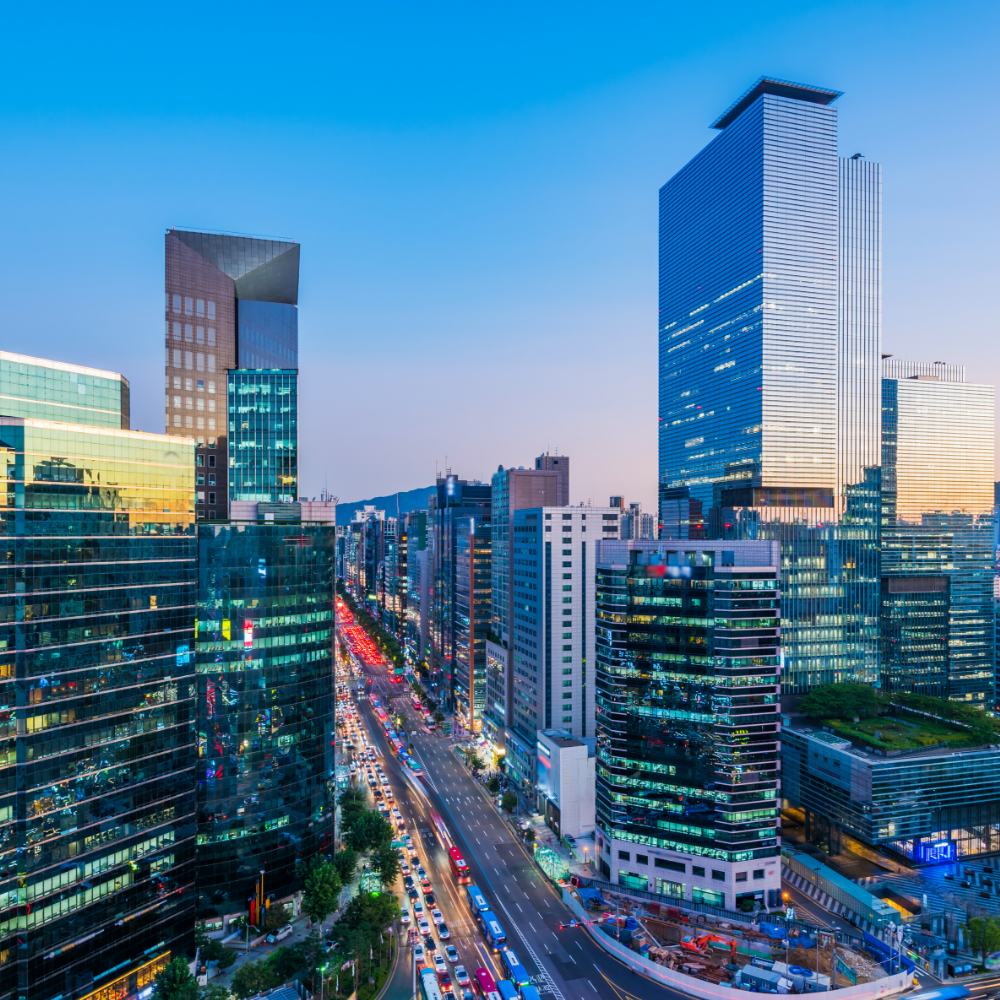
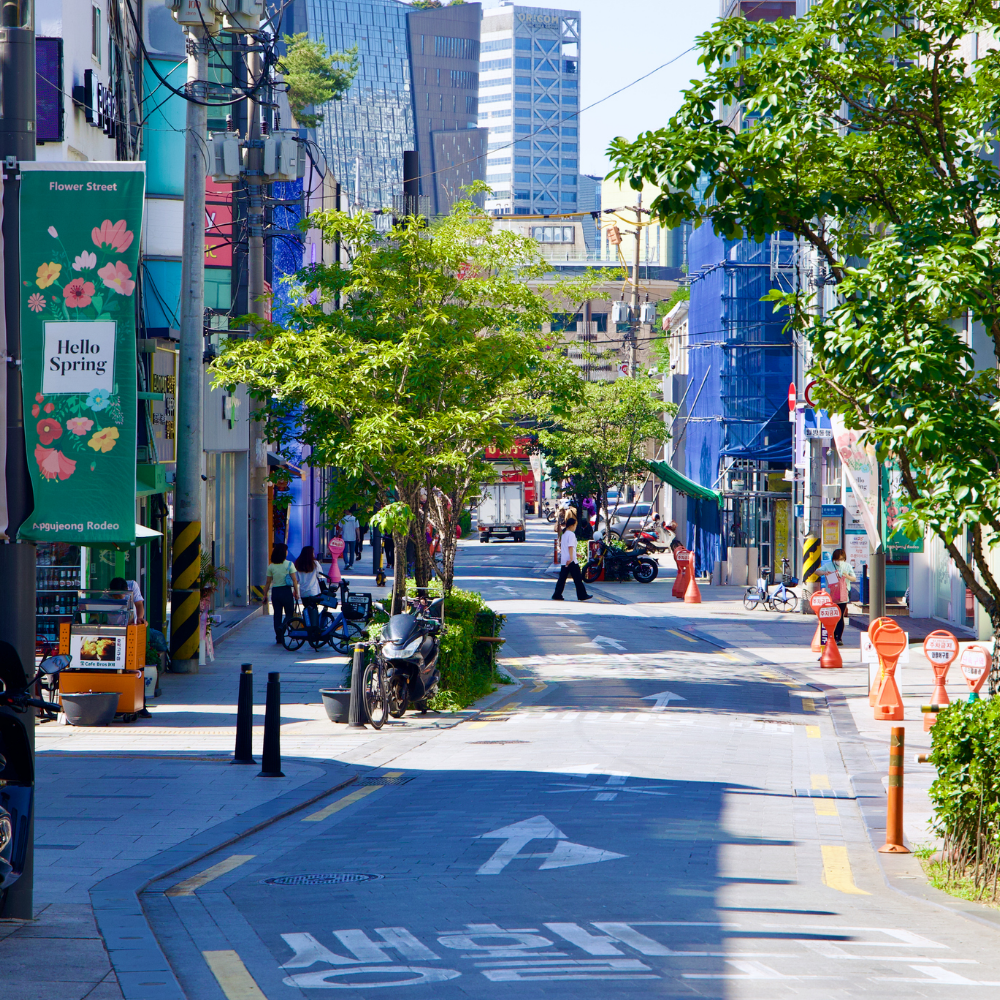
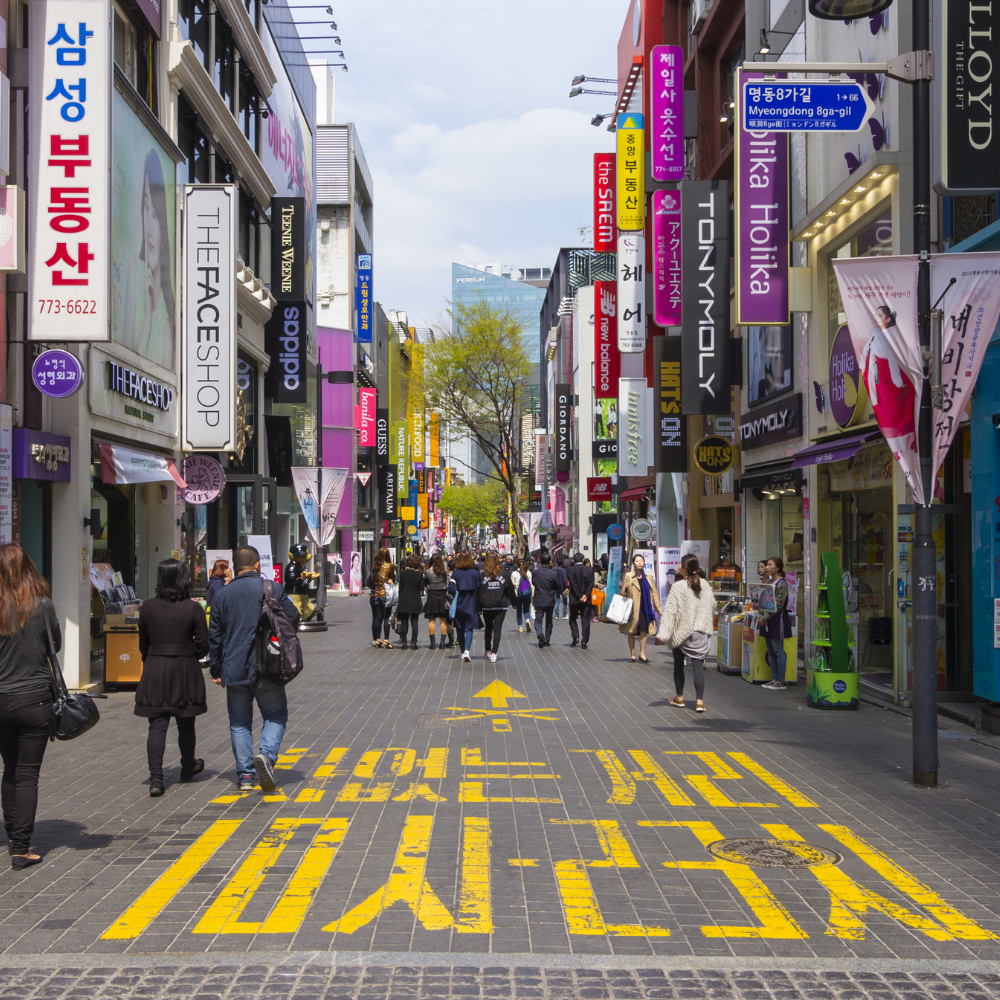
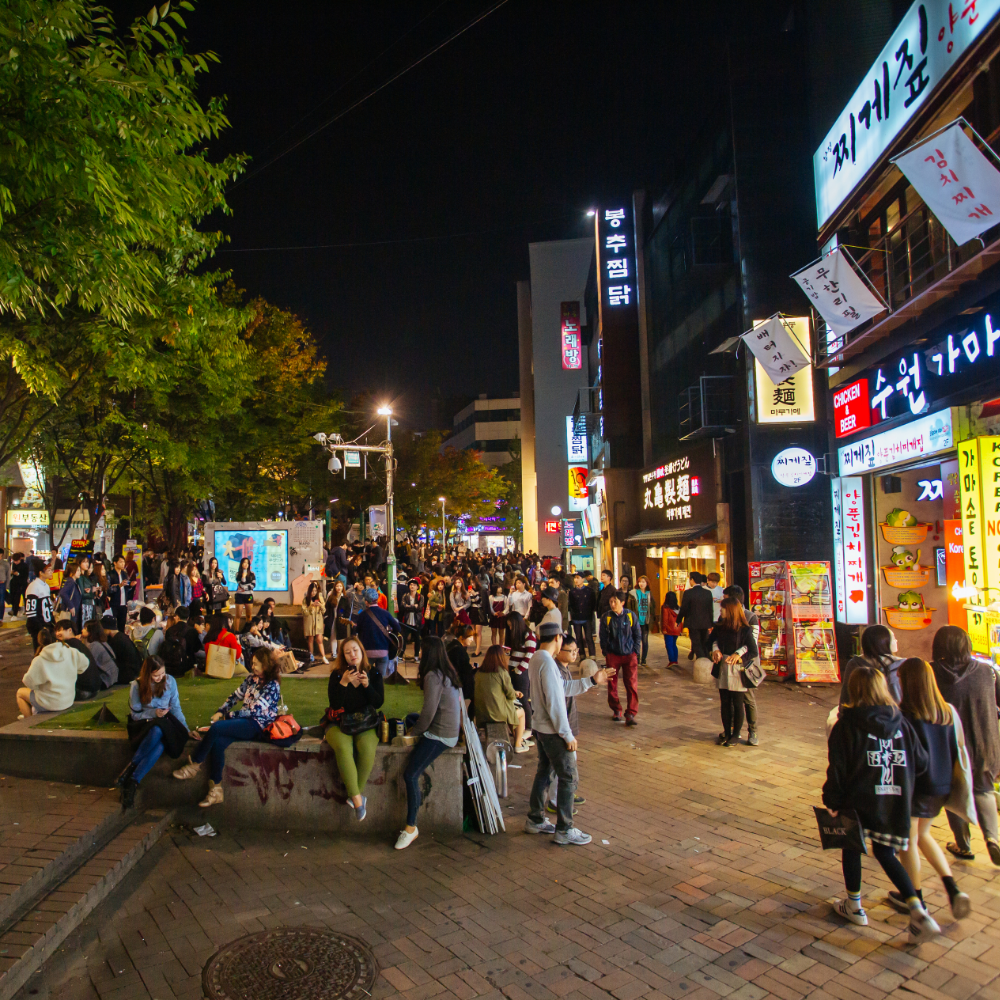
Language is rarely the obstacle. Clinics and salons in Gangnam, Apgujeong, Myeongdong and Hongdae see international clients constantly, many have English, Chinese or Japanese-speaking staff, and several book through English-language reservation platforms. Booking through the clinic's own channel is usually cheaper than through a reseller, if you can manage it.
Book ahead. Popular slots go, particularly evenings and weekends, and walk-in availability is unreliable.
Say what you actually want. Glow before an event, calming for irritated skin, and help with congestion are three different sessions. Being specific gets you a better-chosen ampoule and a better-judged extraction.
Disclose properly, even for a facial. Recent cosmetic procedures, current actives such as retinoids and acids, isotretinoin use, allergies, pregnancy, and any skin condition under treatment all matter. A facial is gentle, not inert.
Arrive with bare skin where possible, and allow more time than the stated duration for consultation and changing.
On price: programmes vary widely depending on which devices and ampoules are included, and packages are commonly offered. Rather than comparing headline numbers, ask what is actually in the session, whether the price is per visit or a course, and what happens if you want to change the programme partway. A cheaper session that omits the device work is not the same treatment at a discount.
Sequence it sensibly within your trip. If you are also having injectables or laser treatment, a facial the same day is generally a poor idea — leave a gap and ask both providers about order.

What It Delivers, and What It Doesn't
What is real. The immediate improvement is genuine: skin is cleaner, better hydrated, and reflects light more evenly, and the calming steps do reduce visible reactivity for a while. It is a very good thing to do the day before an occasion, and for many visitors it is simply an enjoyable ninety minutes.
What is temporary. That effect is measured in days. Hydration and gentle exfoliation do not permanently change the skin, and a single session is not a treatment course. Improvements to barrier quality, congestion or texture come from repetition — which is why locals tend to go monthly and visitors are getting the demonstration rather than the programme.
What it does not do. It does not treat pigmentation, active acne, rosacea or scarring, and it does not lift. Those are clinical problems requiring targeted treatment, and a facial marketed as addressing them is overreaching.
Downtime is usually minimal, not always none. Extraction can leave redness and small marks for a day or two, and skin that is reactive may flush after device work. Anyone promising you can go straight to dinner regardless of what was done has not met your skin.
Who should be cautious. Postpone if you have active inflamed acne, a cold sore, sunburn or broken skin. Tell them if you use retinoids or acids, since exfoliation on top of those is a common route to irritation. Recent laser, injectable or resurfacing treatment means waiting and asking. And if your skin is genuinely reactive, ask for a gentler programme rather than the flagship one — the longest menu item is not the safest.

Dr. Beau's Note
Book it for the day before you want to look your best, not the day you arrive. Most visitors do the opposite — they treat the facial as the start of the trip, get the glow on day one, and spend the following week wondering where it went. The effect peaks over the first day or two and fades gradually from there. If there is a dinner, a shoot or a flight home you care about, count backwards from that. It is the cheapest optimisation available and almost nobody makes it.