
Seoul After Dark: Where to Go and What to Do at Night
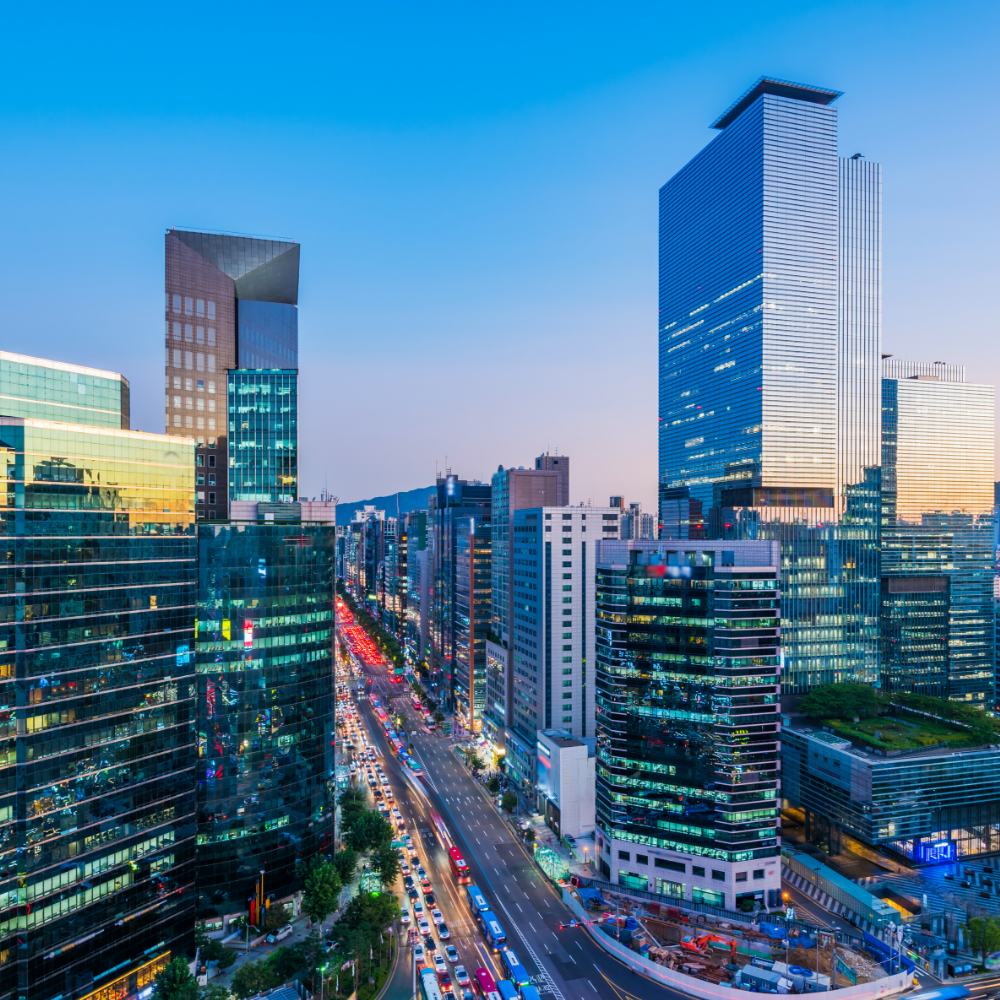
From Hangang river nights and softly lit bookstore stops to food alleys and glowing streets, Seoul after dark offers more than nightlife clichés. This guide explores how the city changes after sunset — and how to enjoy it in a way that feels calm, beautiful, and actually practical.

Hangang River: The City’s Quiet Escape
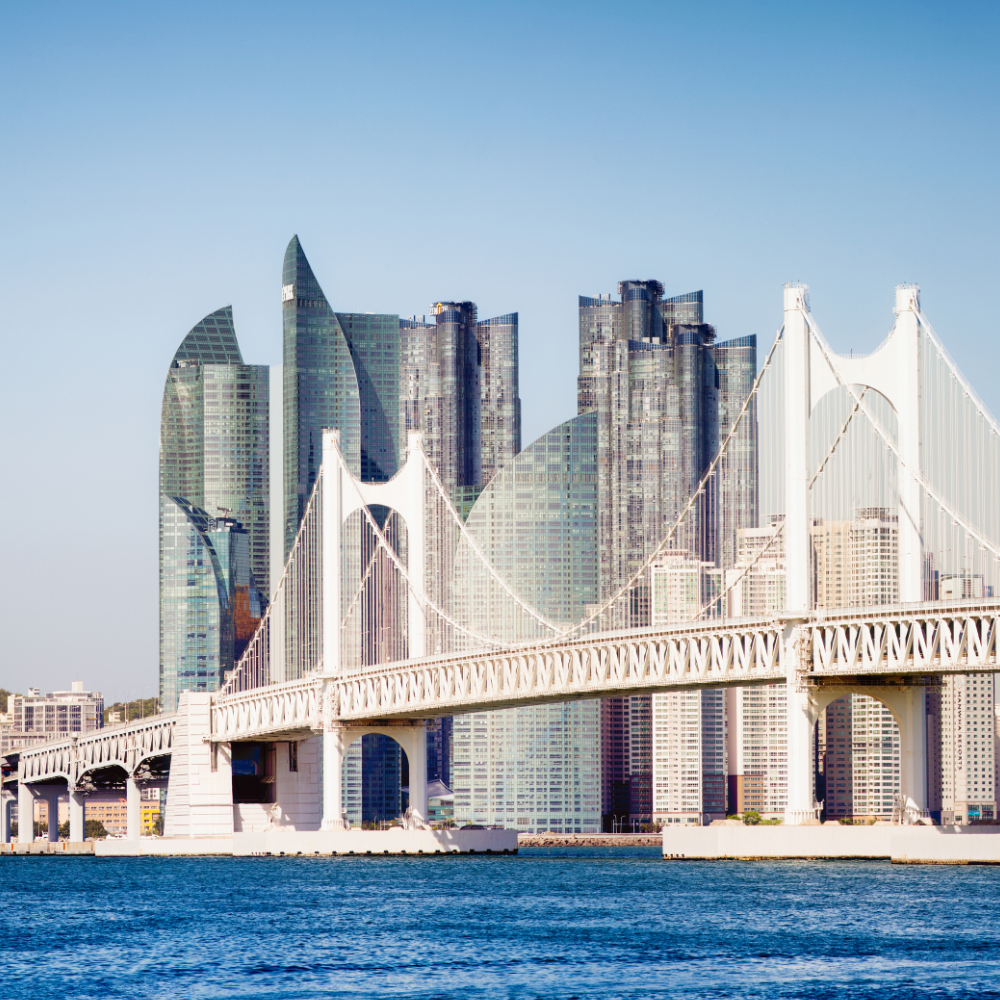
Ask almost anyone in Seoul where they go to clear their head, and the Hangang River will appear sooner or later. At night, that answer makes even more sense. The city’s pace does not disappear after sunset, but along the river it softens. Bridges glow above the water, cyclists pass by in quiet rhythm, convenience-store snacks turn into an improvised picnic, and the whole city feels less crowded than it did only an hour earlier.
That is part of what makes the Hangang so distinctive. It is not just a sightseeing stop. It is a lived-in nighttime ritual. Whether you go to Yeouido, Banpo, or Ttukseom, the mood is usually less about spectacle than about release. You sit, walk, talk, watch, and let Seoul breathe around you. For visitors, it is one of the easiest ways to feel the emotional rhythm of the city rather than just its landmarks.

Late Cafes, Bookstores, and Indoor Night Stops
Seoul does not always express nightlife through clubs or noise. One of its most appealing after-dark habits is the way people continue their evening indoors, in cafés, bookstores, and thoughtfully designed public-commercial spaces. In neighborhoods like Seongsu, Hongdae, Euljiro, and Mapo, it is still easy to find cafés open later than many travelers expect, with soft lighting, quiet conversations, and a pace that feels much slower than the streets outside.
Bookstores and cultural retail spaces can also become part of that rhythm, but this is one area where it helps to stay current. The image of Seoul as a city of all-night bookstores is not as accurate as it once was. Kyobo Book Centre Gwanghwamun still makes a strong evening stop, but it is not a 24-hour place. That detail actually says something useful about Seoul now: the city still stays awake late, but in a more curated and realistic way. Rather than chasing a fantasy of endless opening hours, visitors do better when they think in terms of elegant late-evening stops before heading back into the night air.

Glowing Streets, Food Alleys, and Evening Atmosphere
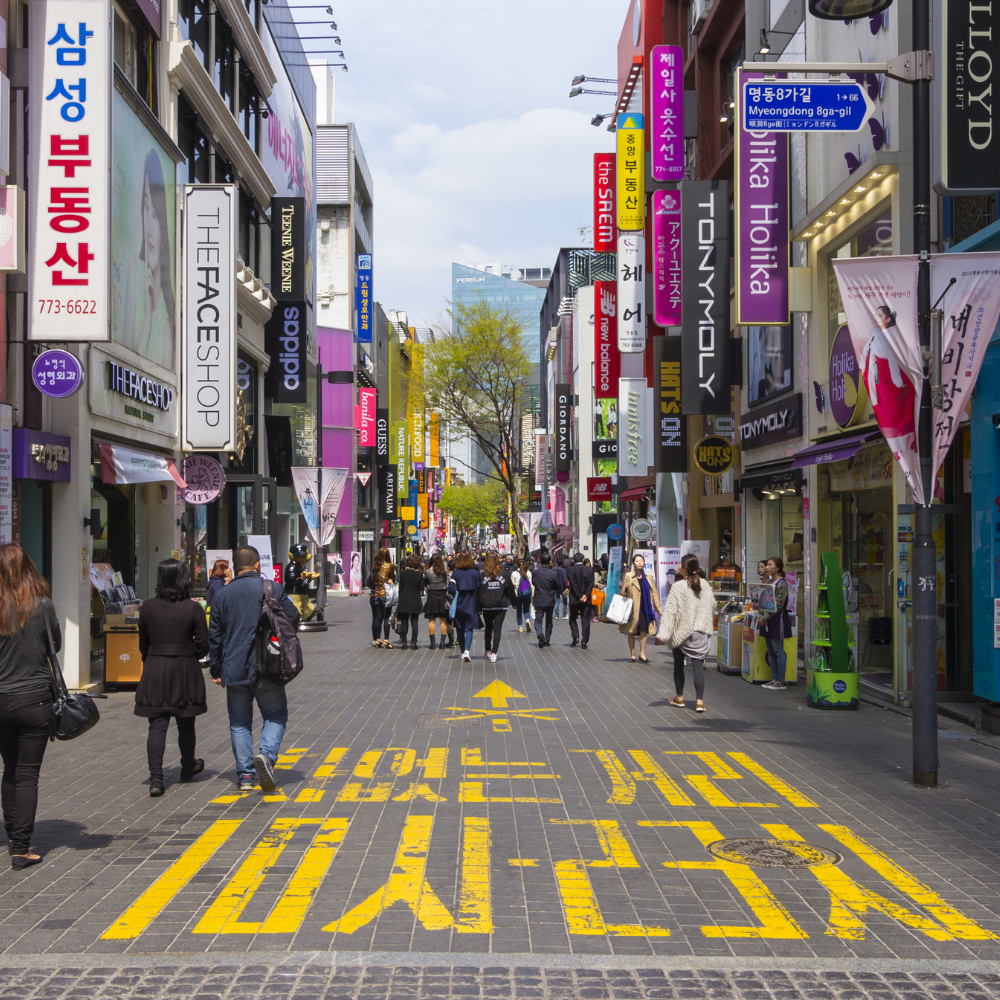
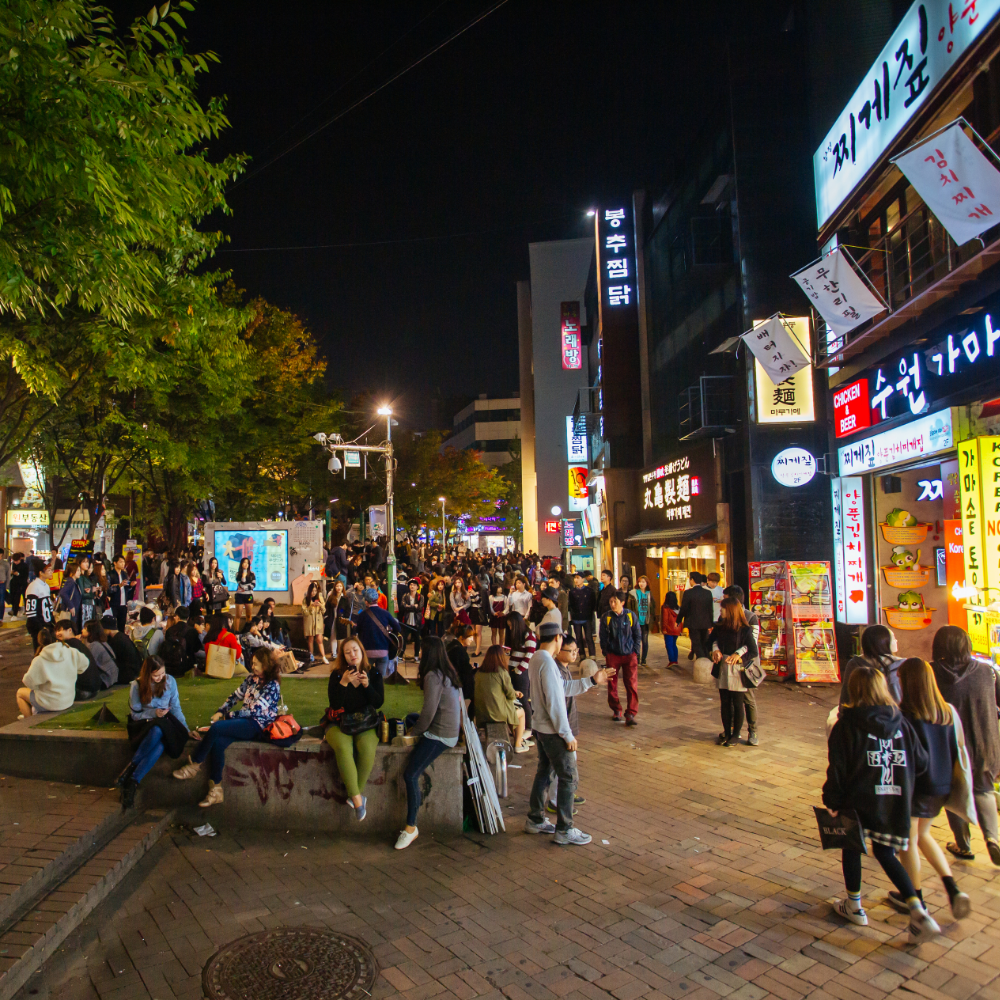
Not every part of Seoul after dark is quiet. Some areas turn brighter, livelier, and more textured. Food alleys, market edges, and older central neighborhoods create a very different type of night scene from the Hangang. Gwangjang Market is still one of the most recognizable places for that mood, but it helps to understand it correctly. The market is not simply “open late” in one uniform way. The food alley runs later than the market’s general shopping hours, which is exactly why the evening visit feels so memorable: the city narrows into light, steam, stools, and the sound of people eating.
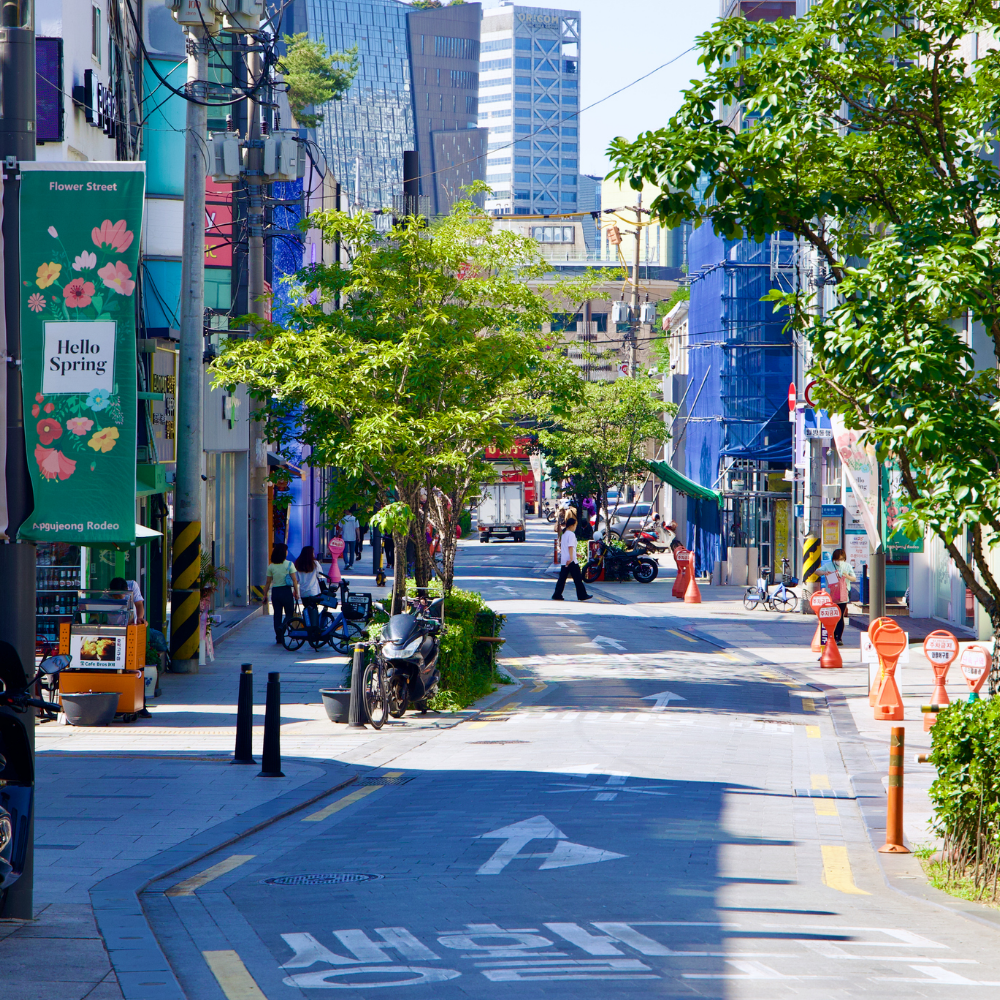
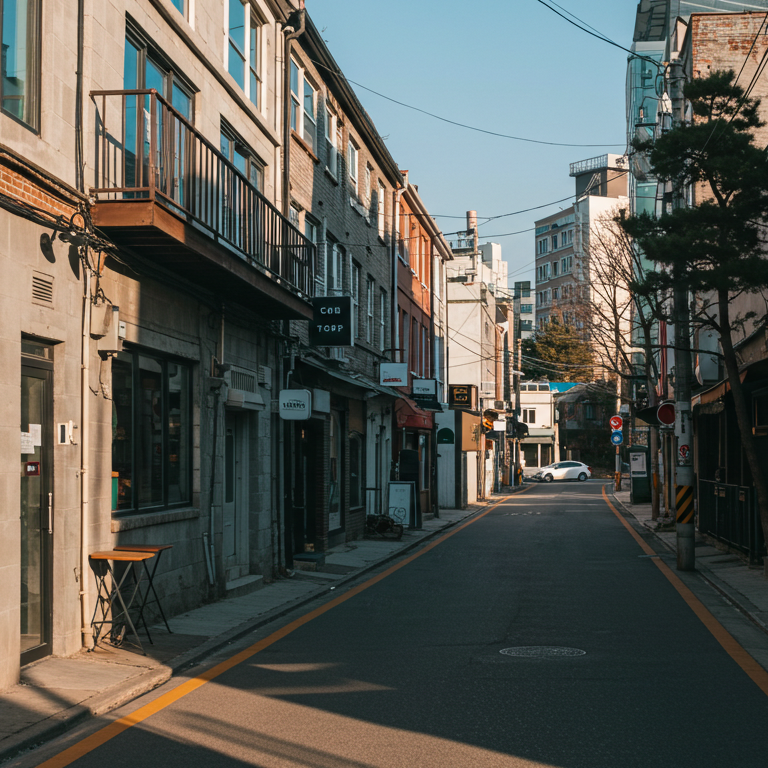
For a gentler version of that atmosphere, Seoul also offers neighborhoods where walking becomes the main event. Streets around Bukchon, Samcheong-dong, or nearby lanes in Jongno can feel completely different once daytime crowds fade. The experience is less about checking off attractions and more about sensing contrasts: hanok roofs under streetlamps, quiet side streets near busy main roads, and the way modern Seoul can still feel intimate after dark. This is what gives the city its nighttime depth. It is not only neon or nightlife. It is movement next to stillness.

What You Should Know Before Exploring
Seoul is generally easy to enjoy at night, but the best evenings usually come from small practical decisions. The first one is transport. The subway does not run all night, so late-night plans work better when you already know your last-train window or have a taxi option ready. A mobility app such as Kakao T can make that transition easier when your evening runs later than expected.
The second is pacing. The most rewarding Seoul nights are often not the ones with the most stops but the ones with the best sequence. A river walk, then a late café, then one food alley can feel much richer than trying to fit half the city into one night. Cash is still helpful in older market-style areas even if cards work in most cafés and chain spaces. And although Seoul is widely regarded as safe and easy to move through after dark, it is still smarter to treat night exploration as something to enjoy with awareness rather than assumption. The city rewards calm attention.

Dr. Beau's Note
Seoul after dark is not one thing. It can be reflective, cinematic, social, quiet, hungry, or beautifully aimless. That is exactly why it stays with people. When you stop looking only for “nightlife” and start looking for mood, Seoul becomes much more interesting after sunset.