
Seoul at Night: Beyond Namsan Tower to Smarter Skyline Spots
Discover Seoul’s night charm beyond Namsan Tower — from glowing riverside reflections and elevated pavilions to quieter walking routes that reveal a calmer, more cinematic side of the city.

Why Nightfall Elevates Seoul’s Landscape
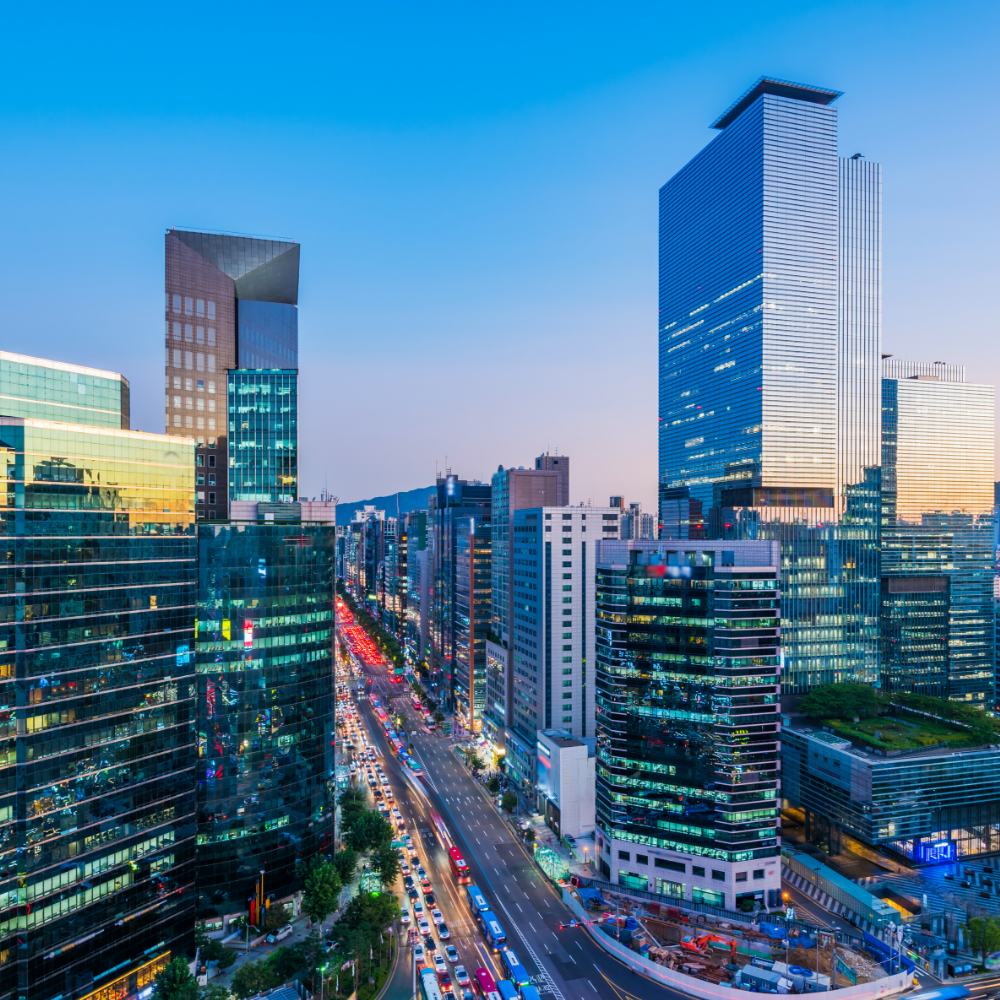
When day turns to night, Seoul transforms. The city’s pace softens but its light intensifies, from river reflections and glowing bridges to mountain outlines and layered apartment windows. Night reveals a quieter emotional side of Seoul: still active, still dense, but less hurried and more atmospheric. That is why many travelers find the city easier to feel after dark than in the middle of the day.
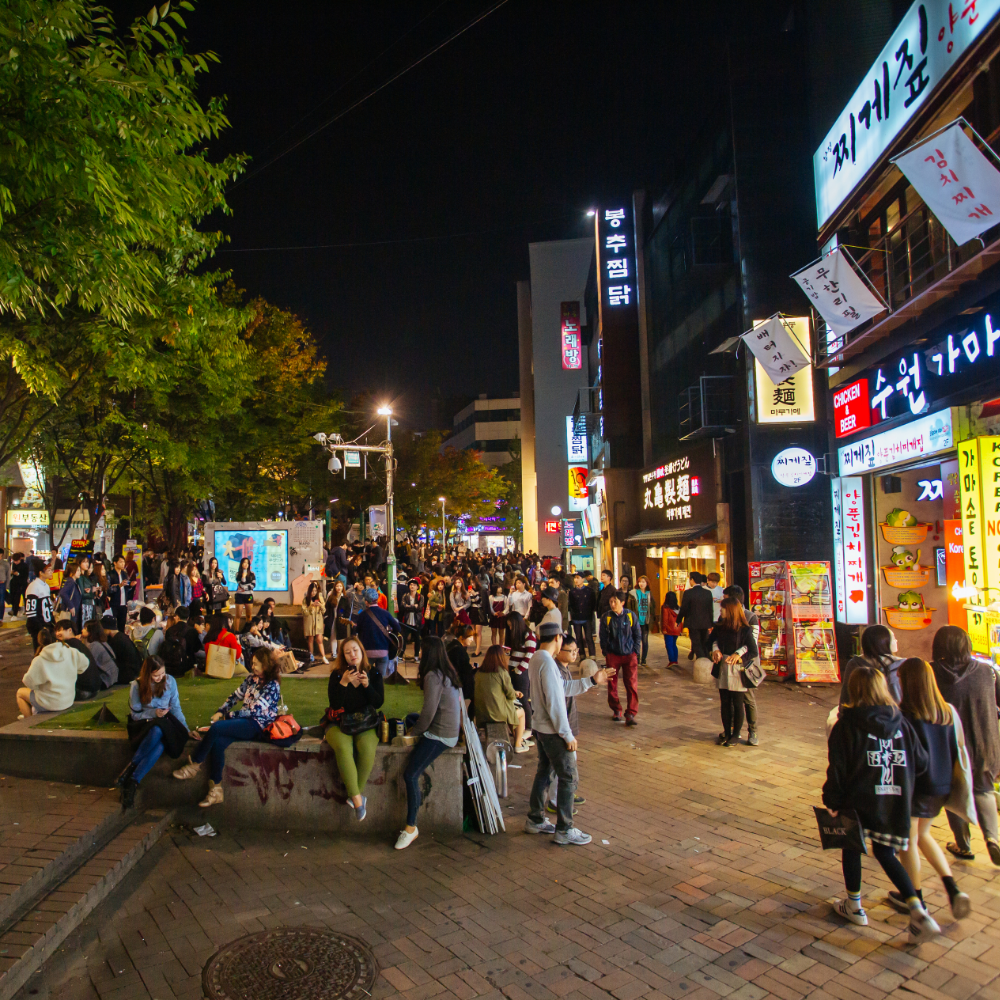
What makes Seoul especially rewarding at night is contrast. A single evening can move from neon streets to calm tree-lined slopes, from crowded landmark areas to nearly silent elevated viewpoints. Instead of treating the city’s nightlife as one fixed route, it is better to think of Seoul at night as a set of moods. Some views are bold and iconic, while others are softer and more reflective.

The Meaning Behind Namsan Tower’s Glow
Namsan Tower remains Seoul’s most recognizable night landmark, but its meaning goes beyond romance or skyline photos. The official N SEOUL TOWER site continues to run air-quality-linked lighting campaigns and notes that when the air is clean, the tower shines in sky blue. That gives the tower a public-symbol role as well as a visual one. It is not only a place to look at the city, but also a landmark that sometimes reflects the city’s environmental message.
Even so, the real appeal of Namsan at night is not only the tower itself. The approach, the changing elevation, and the shift from busy streets to mountain darkness are part of the experience. That is why the area works best as the center of a route, not just a single stop. The tower gives Seoul one of its clearest nighttime identities, but it also points visitors toward a broader way of seeing the city.

Hidden Trails & Light Art Beyond the Tower
Beyond the observatory, Namsan offers quieter night experiences that many visitors miss. Routes such as the Namsan Sky Forest Trail give the mountain a gentler and more spacious mood, with a barrier-free walking path, city views, and a calmer rhythm than the busiest tower approach. The point here is not dramatic nightlife, but a softer version of the city where the skyline appears between trees and deck paths rather than all at once.
If you want a different elevated atmosphere, the Bugak ridge is worth knowing. Bugak Skyway and its Palgakjeong pavilion remain one of Seoul’s established night-view areas, and the setting feels cooler, more panoramic, and less central than Namsan. This is the side of Seoul at night that suits people who want air, distance, and a clearer sense of the city opening below them rather than simply standing inside a famous landmark zone.

Best Views, Secret Spots & Photo Tips
The best time to photograph Seoul’s skyline is often blue hour, just after sunset when the sky still holds color and the city lights begin to separate from it. For classic images, Namsan remains the easiest starting point. For wider and often less crowded panorama, Bugak Skyway Palgakjeong is a stronger option. If you prefer a route that feels more cinematic than famous, lower Namsan slopes and deck paths create better transitions between portrait frames, city views, and quiet texture shots.
For photography, steadiness matters more than rushing between landmarks. Long exposures help the river and roads glow more cleanly, and reflective surfaces such as glass, wet pavement, or railings can add depth without making the image feel overworked. The smartest night route is usually not the longest one. One tower, one walk, and one elevated pause point are often enough to let Seoul’s night atmosphere fully land.

Dr. Beau's Note
The most beautiful night routes in Seoul usually balance one iconic view with one quieter pause. The city is already visually dense, so the smartest way to enjoy it is not to chase every light, but to choose one place to look and one place to breathe.