
Picture-Perfect Seoul: 6 Spots for the Best Travel Photos
The best photo locations in Seoul pair an iconic backdrop with the right hour: Gyeongbokgung in hanbok just after gates open, Bukchon's highest alley before the day-trip crowds, Eungbongsan at blossom season, Seoullo 7017 at dusk, Ikseon-dong's caf� lanes on a weekday, and Nodeul Island at twilight for river reflections. This guide covers all six — with the timing, angles, and etiquette notes that separate a postcard shot from a crowd shot.

1. Gyeongbokgung Palace (???)
No photo diary of Seoul is complete without the main palace, and the classic formula still wins: rent a hanbok from one of the shops clustered near the gates — hanbok wearers enter the palace free — and shoot against Gwanghwamun Gate, the throne hall's stone terraces, and the pavilion floating on its lotus pond. The trick is sequencing. Arrive when the gates open, walk straight past the first courtyard everyone stops in, and shoot the deeper courtyards first; you'll have hallways of vermilion columns to yourself for half an hour before the crowds diffuse inward.
Two more timing notes earn their keep. The royal guard changing ceremony at Gwanghwamun gives you motion and colour if you want documentary frames rather than portraits. And in warmer months the palace opens some evenings for night viewing — lanterns, lit eaves, dark sky — which photographs like a different building entirely; booking ahead is required, so check the palace's schedule before building your evening around it.

2. Bukchon Hanok Village (??????)
A short walk uphill from the palace, Bukchon is a living neighbourhood of traditional homes whose sloped tile rooftops stack down the hillside toward the modern skyline — the single most photographed juxtaposition in Seoul. Head for the highest alleys for that signature frame: hanok eaves in the foreground, glass towers behind. Neutral, earthy outfit tones photograph far better against the dark wood and granite than bright synthetics do.
One thing to know before you go: people live here, and years of overtourism led the district to restrict visits to daytime hours in the most photographed lanes, with quiet-please campaigns and wardens on the busiest corners. Practically, that means go in the morning — better light, fewer people, and no risk of arriving after visiting hours end in the late afternoon. Keep voices low, stay out of doorways, and never open a gate for a photo; the neighbourhood's patience is part of what keeps it open.

3. Eungbongsan & Seoul Forest (??? + ???)
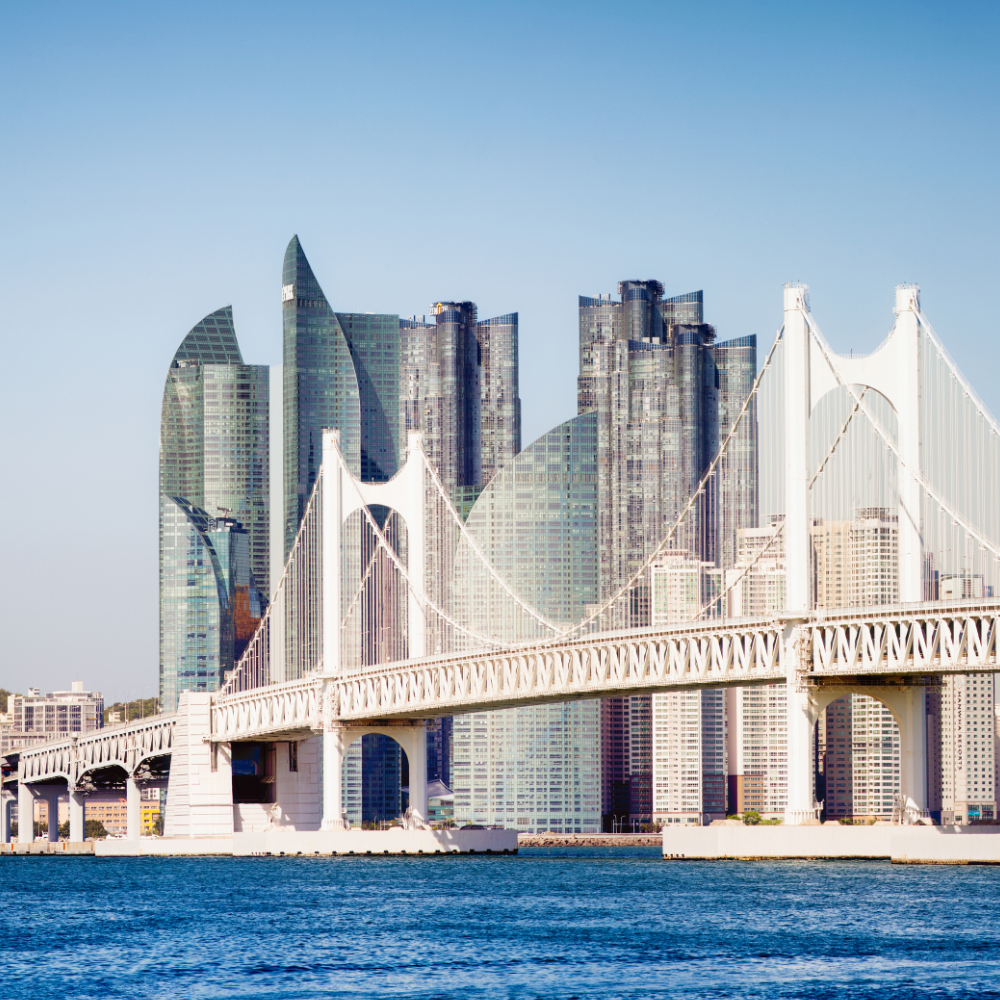
Eungbongsan is a small hill above the Han River that locals guard as their spring secret: in blossom season its slopes turn solid yellow with forsythia, and the summit pavilion looks straight down onto the river, the bridges, and the skyline of Gangnam beyond. It's a short, stair-heavy climb from Eungbong Station — fifteen minutes up — and it delivers one of the best effort-to-view ratios in the city. Come at golden hour or after dark; the night view over the river is the reason tripods line the railing on clear evenings.
Pair it with Seoul Forest across the river: mirror ponds, ginkgo-lined paths that go gold in autumn, a deer enclosure, and elevated walkways that frame the trees against apartment towers. Between the two you cover nature-in-the-city in every season — cherry blossoms and forsythia in April, deep green summers, red-and-gold autumns, and bare graphic branches against winter sky.

4. Seoullo 7017 & Sunset Spots
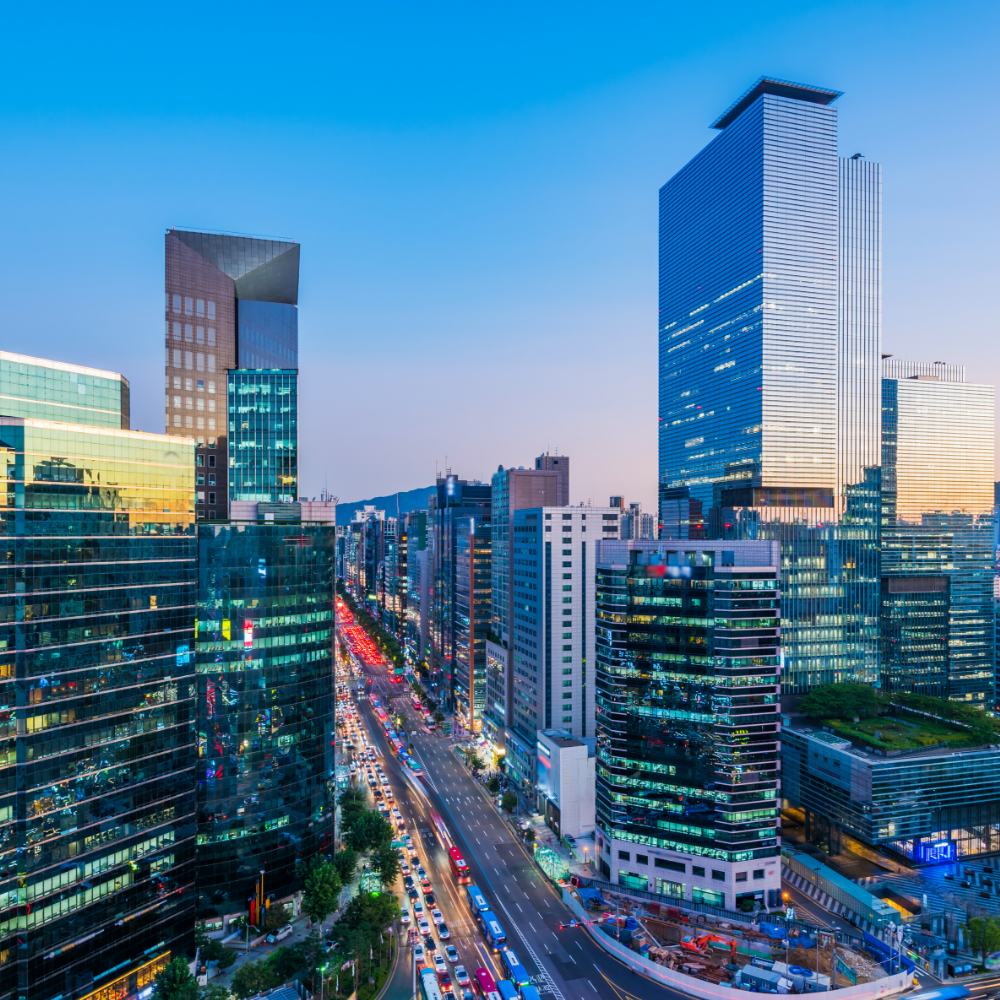
Seoullo 7017 is a 1970s highway overpass reborn as an elevated garden walk beside Seoul Station, and its value to photographers is altitude without a ticket: you stand a storey above the traffic with railway lines, station rooftops, and downtown towers layered below you. Come at dusk. The blue hour — the twenty minutes after sunset when the sky still holds colour but the city lights are on — turns the view cinematic, and the walkway's circular planters and lit-up pathway give strong leading lines for wide shots.
Two bonuses sit within a five-minute walk. The old Seoul Station building — a red-brick, domed colonial-era landmark — makes a handsome retro backdrop, especially in low sun. And the walkway itself connects toward Namdaemun Gate and the market behind it, so a sunset shoot rolls naturally into neon, food steam, and street-level night photography without any transit in between.

5. Ikseon-dong Alley (??? ??)
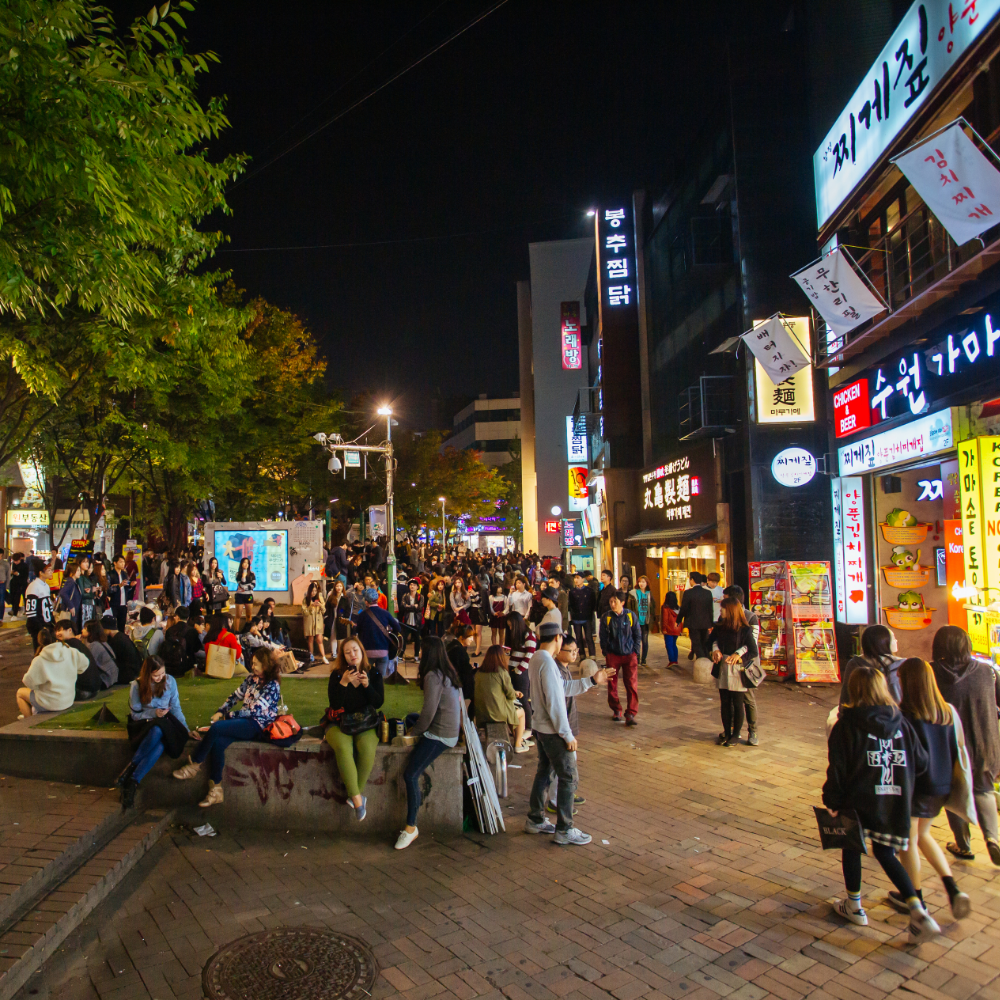
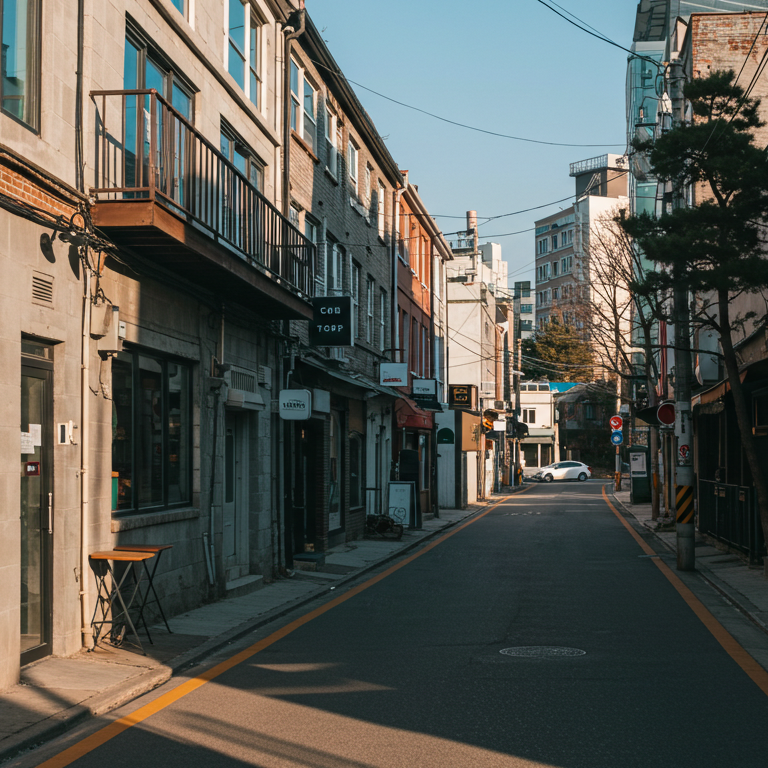
Ikseon-dong is Seoul's oldest surviving hanok district reinvented as its most photogenic caf� quarter: a compact maze of 1920s houses whose courtyards now hold bakeries, teahouses, vintage shops, and cocktail bars. The alleys are barely two people wide, which is precisely what makes the frames work — every corner compresses tiled roofs, hanging plants, paper lanterns, and pastel signage into a single layered composition. Glass-roofed caf� interiors, where new ceilings float over original wooden beams, photograph beautifully on rainy days too.
Strategy matters more here than anywhere else on this list. Weekend afternoons are shoulder-to-shoulder; a weekday morning right as caf�s open gives you empty lanes and clean light for an hour. Order something wherever you shoot — these are small businesses, not a film set — and the classic frames (a drink held under fairy lights, a doorway portrait through a round window) come easily once the crowds aren't in them.

6. Nodeul Island (???)
Nodeul is a small island in the middle of the Han River, reached on foot from Hangang Bridge, that the city rebuilt as a culture park — live-music halls, bookshop caf�s, and wide lawns that face the water on both sides. For photographers it solves a problem the riverside parks can't: you're in the river rather than beside it, so bridges recede in both directions and the skyline stacks behind open water. N Seoul Tower sits in the distance for the classic establishing shot.
Twilight is the whole game here. Arrive an hour before sunset, shoot the lawns and architecture in warm light, then stay as the bridge lights come on and the river turns to reflections — the frames in the last thirty minutes are the ones you'll keep. It's also the least crowded location on this list, which makes it the best choice for tripod work, long exposures, and unhurried couple or solo portraits.

Dr. Beau's Note
My contrarian advice: plan your photo days around hours, not places. Every location on this list is ordinary at 2pm and extraordinary at its right hour — the palace at opening, Bukchon before the buses, Seoullo and Nodeul in the twenty minutes after sunset. Travelers exhaust themselves collecting all six in one day and come home with midday snapshots; two spots per day, each hit at its best light, will beat six hit at their worst every single time. The city does the work when the light is right.