
Where to Travel in Korea Month by Month: An Evergreen Seasonal Guide
Wondering about the best time to visit Korea? This month-by-month Korea travel guide helps you choose the right season, city, and atmosphere for your trip, whether you want cherry blossoms, beach days, fall foliage, snowy scenery, or quieter local experiences.

January – Snowy Landscapes and Ski Escapes
If you are searching for the best places to visit in Korea in January, this is the month for snow scenery, ski resorts, and dramatic winter air. Korea is coldest in January, so travelers who enjoy crisp weather usually focus on Gangwon-do, where skiing and mountain views feel most cinematic. It is also a surprisingly good month for travelers who want a different side of Seoul, especially when palace roofs, stone walls, and hanok neighborhoods look sharper under clear winter light.
For classic winter travel, Pyeongchang, Yongpyong, and High1 make the most sense. If you prefer a city trip, combine central Seoul with warm indoor stops such as museums, cafés, observatories, and traditional tea houses. January in Korea works best when you lean into winter instead of trying to escape it.

February – Quiet Winter City Breaks
Korea in February is often overlooked, which is exactly why some travelers enjoy it. The festive rush of late December is over, ski season is still active, and major tourist areas can feel calmer than in spring or autumn. This is a strong month for people searching for a slower Korea itinerary, especially if they like neighborhood walks, gallery visits, warm food, and indoor culture.
Seoul, Suwon, and Jeonju can work well in February because the pace feels more local. Rather than chasing one major seasonal event, this month rewards travelers who enjoy atmosphere. It is a good time for hanok stays, jjimjilbang visits, and winter comfort food. If January is about snow and motion, February is about warmth, texture, and breathing room.

March – Early Spring in the South
For travelers searching “Where to go in Korea in March,” the answer often starts in the south. Spring does not arrive across the country at the same speed. Southern destinations such as Jeju, Busan, Gurye, and Gwangyang usually show earlier signs of the season, which is why March travel in Korea often feels best outside the capital region.
This is a strong month for flower routes, coastal walks, and lighter city breaks. Jeju begins to feel brighter, Busan feels less severe than winter, and southern countryside destinations start looking photogenic before peak spring crowds fully build. March is ideal for travelers who want that first-spring feeling without waiting for April.

April – Cherry Blossom Season in Full Swing
April is the month most international travelers picture when they search for the best time to visit Korea. This is peak cherry blossom season in many parts of the country, especially as the bloom moves north and reaches Seoul. If your dream trip involves pink-lined streets, lake walks, palace views, and photogenic city parks, April is usually the answer.
Seoul, Jinhae, Gyeongju, and lakeside walking routes all become especially attractive at this time. The key to April is timing and flexibility. Blossoms move with local weather patterns, so the best strategy is to choose a city you genuinely want to enjoy even beyond the flowers. That way the trip still works beautifully if bloom timing shifts slightly.
May – Korea at Its Most Comfortable
If someone asks for the single easiest month to recommend for Korea travel, May is one of the strongest answers. The weather is generally mild, the landscape is green, and the discomfort of summer humidity has not fully arrived. This makes May excellent for first-time visitors who want a balanced trip with city walking, day trips, light hiking, and outdoor sightseeing.
Seoul feels easy in May. So do Gyeongju, Jeonju, and national park areas that might feel more extreme in winter or midsummer. It is also a good month for travelers who want to combine urban Korea with a few scenic detours. May does not rely on one headline attraction. It works because almost everything becomes easier to enjoy.

June – Green Scenery and Slower Travel Days
Korea in June can be underrated in the best way. The country looks deeply green, major spring crowds have eased, and many destinations feel more relaxed. This is a good month for travelers who search for quieter Korea itineraries, scenic café towns, hanok villages, temple routes, or slower cultural travel.
Late June can begin edging toward the rainy season, but the month is not defined by rain alone. In fact, early and mid-June often suit travelers who want softer pacing and lower seasonal pressure. Gyeongju, Jeonju, and smaller regional cities feel especially rewarding now because they invite wandering rather than checklist travel.

July – Beach Season and Summer Nights
For people searching “Where to go in Korea in summer,” July often means beaches first. This is when Busan, Gangneung, Yangyang, and Jeju start to dominate travel planning. Korea in July is hot and humid, so most rewarding itineraries are built around the coast, water activities, and nighttime movement rather than long daytime sightseeing.
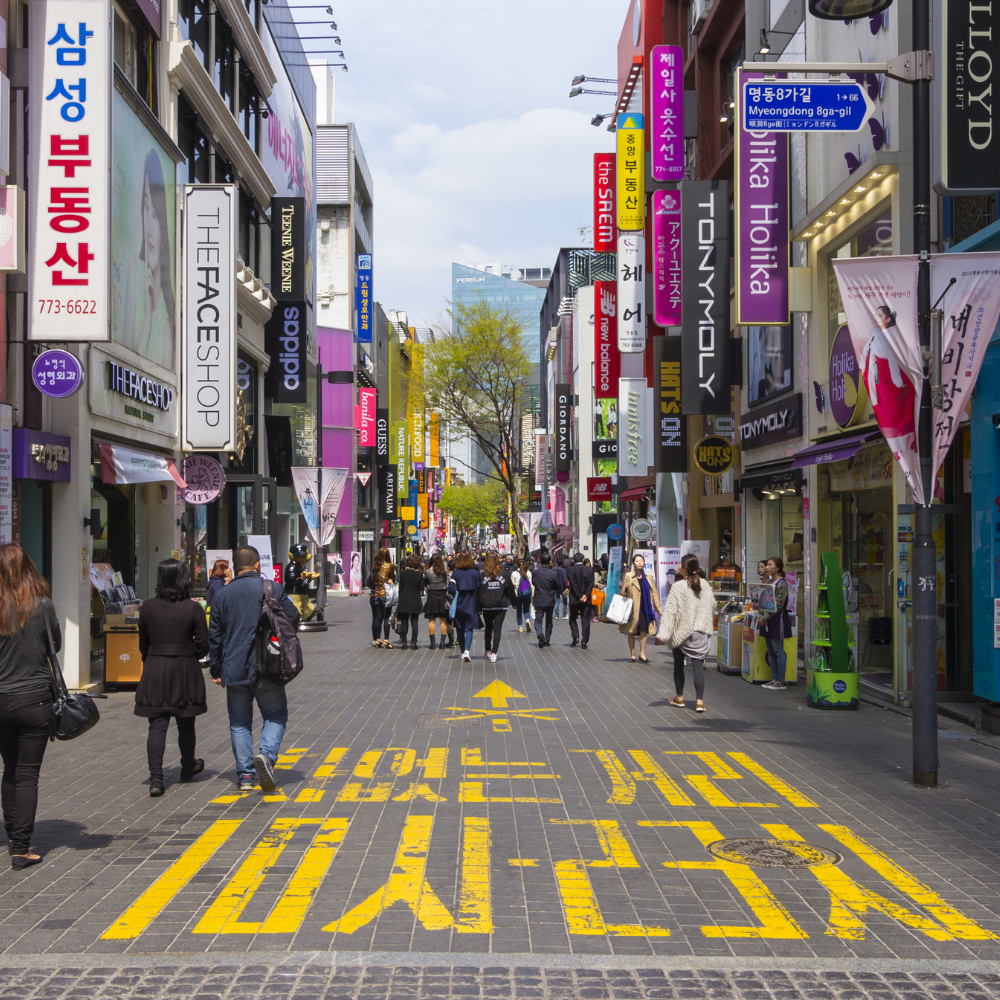
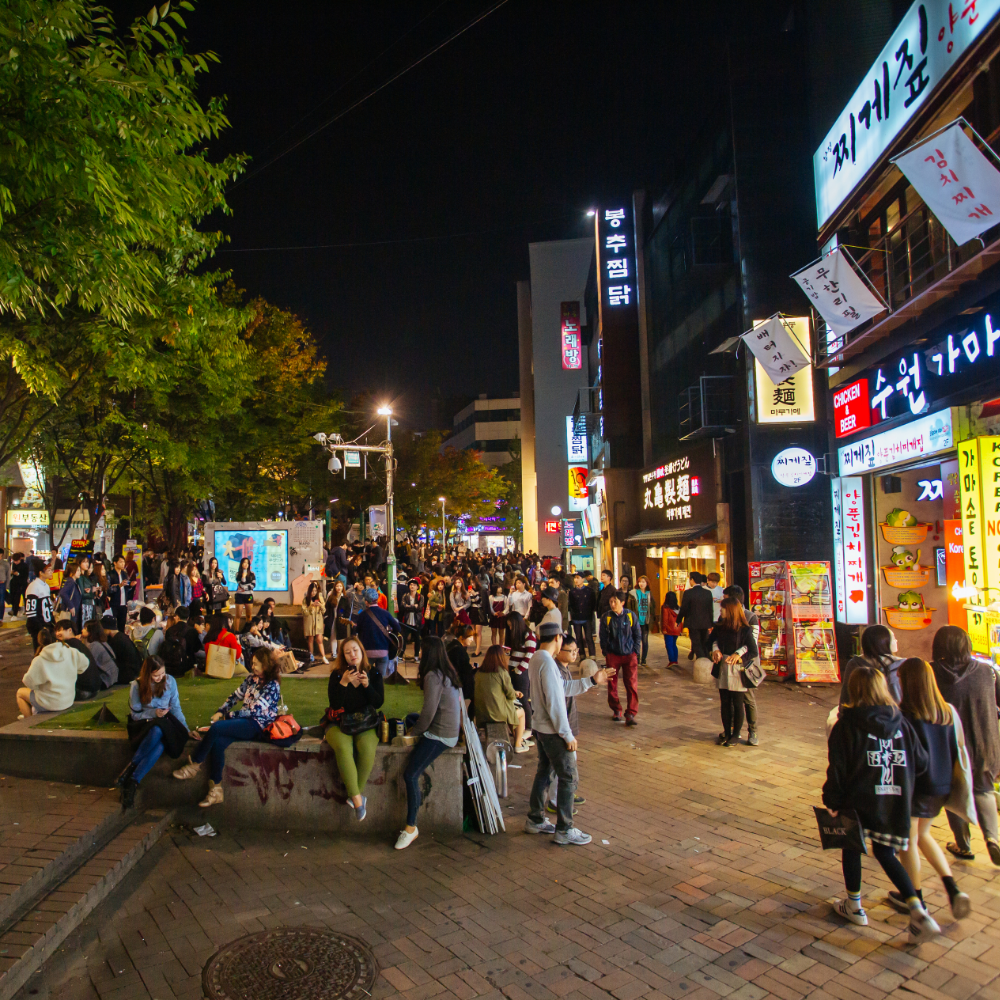
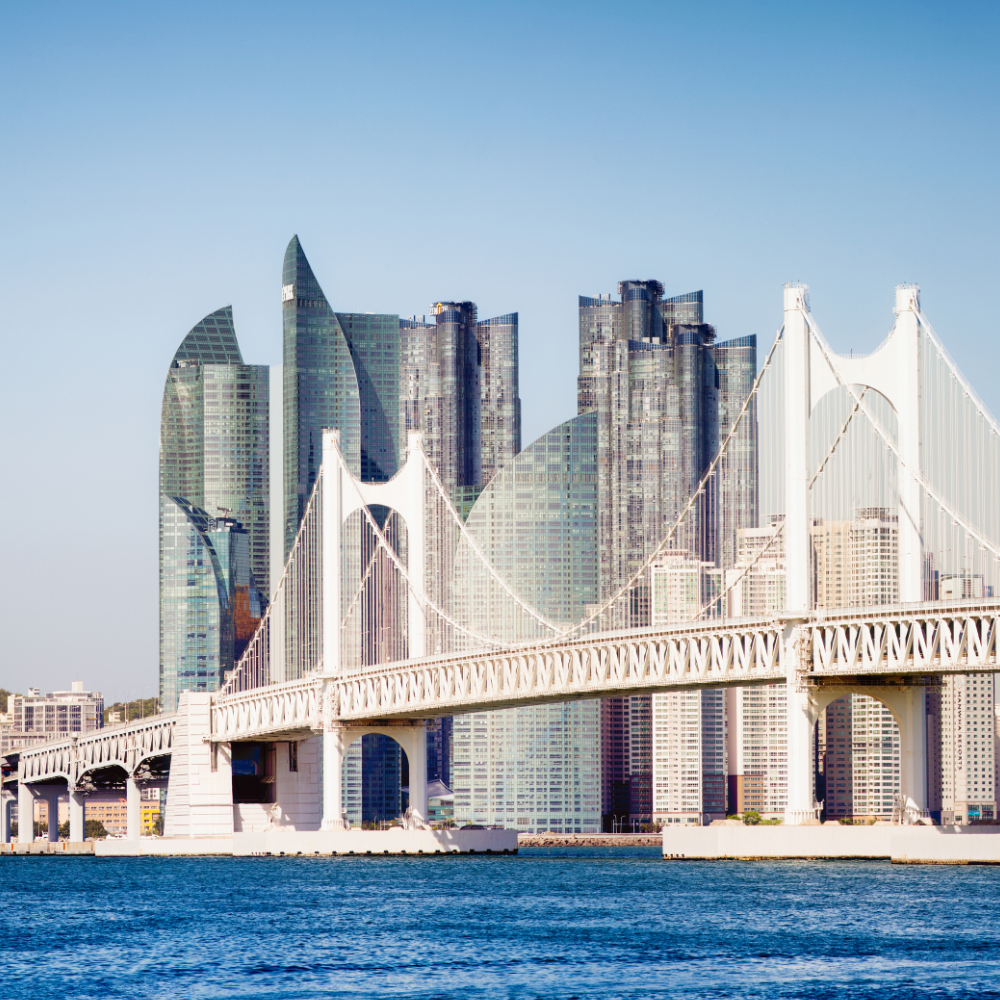
Busan works especially well because it combines beaches, skyline views, seafood, and a strong night atmosphere. Seoul can still be fun in July, but it usually works better as a city of evening plans, river walks, shopping, and indoor escapes. If you travel in July, structure the day around heat rather than fighting it.

August – Coastal Getaways and Cool Detours
August is one of the hottest months in Korea, so the smartest itineraries are the ones that adapt. Travelers who enjoy the sea can still have a strong trip by focusing on coastal areas, island routes, and destinations with evening life. Travelers who dislike heat can do better by choosing mountain-adjacent cities, cave attractions, shaded parks, museums, and slower indoor-heavy schedules.
This is not the month to force a rigid sightseeing marathon. It is the month to choose one mood and follow it well. A Busan beach trip, a Jeju coastal stay, or a soft urban itinerary with food, design, and café culture can all work, but simplicity matters more in August than in milder months.

September – Early Autumn and Harvest Mood
September is when Korea begins to breathe again after peak summer. The air starts to ease, landscapes shift gradually, and travel becomes more flexible. If you want Korea to feel calmer and more spacious before the major autumn rush, this month can be a very smart choice.
It is a good time for regional travel, heritage towns, and countryside scenery. Andong, Gyeongju, and rural cultural areas begin to feel especially appealing because the pace matches the season. September is less visually dramatic than October, but for some travelers that is exactly the appeal. It feels transitional, grounded, and comfortably local.

October – Peak Foliage and Classic Korea Trips
October is one of the most searched and most recommended times to visit Korea for a reason. The weather is usually crisp, the light is beautiful, and fall foliage reaches many of the country’s best-known mountain and temple destinations. If April is the most iconic spring month, October is often the most satisfying autumn month.
This is when destinations like Seoraksan, Odaesan, Naejangsan, and historic temple areas feel most cinematic. City travel is also excellent in October, which makes it a strong month for combining Seoul with one or two regional trips. For many travelers, October offers the most complete version of Korea: comfortable weather, strong scenery, and wide itinerary flexibility.

November – Crisp Air and Urban Walks
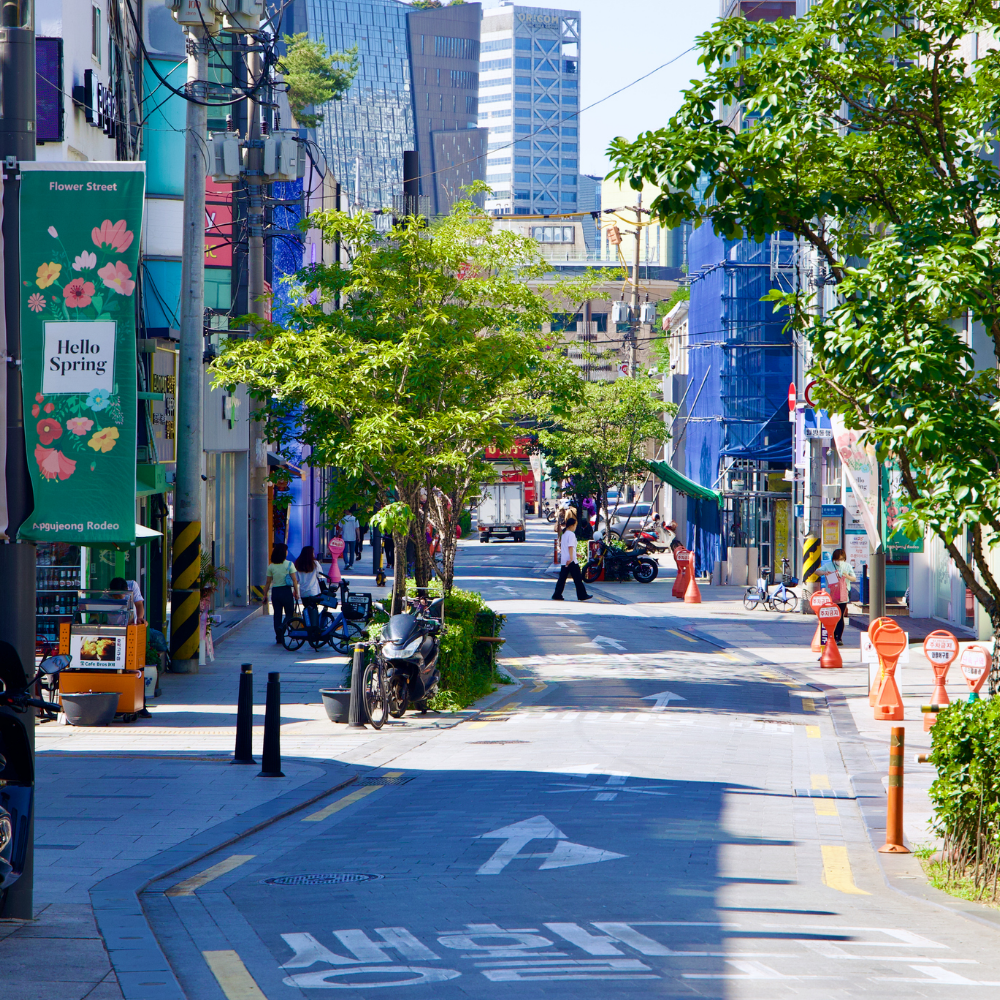
Korea in November works well for travelers who like cities, parks, design districts, bookstores, and cafés more than major seasonal spectacle. Some autumn color remains in early November, but the bigger advantage is mood. The air is cooler, the streets feel calmer, and urban travel often becomes more enjoyable again after summer and peak foliage crowds.
Seoul is especially strong now because neighborhoods become the destination. November is great for long walks through parks, museum afternoons, dessert cafés, and low-pressure day planning. It may not be the month that dominates social media, but it often creates the kind of trip that feels easiest to actually live inside.

December – Lights, Snow, and Winter Atmosphere
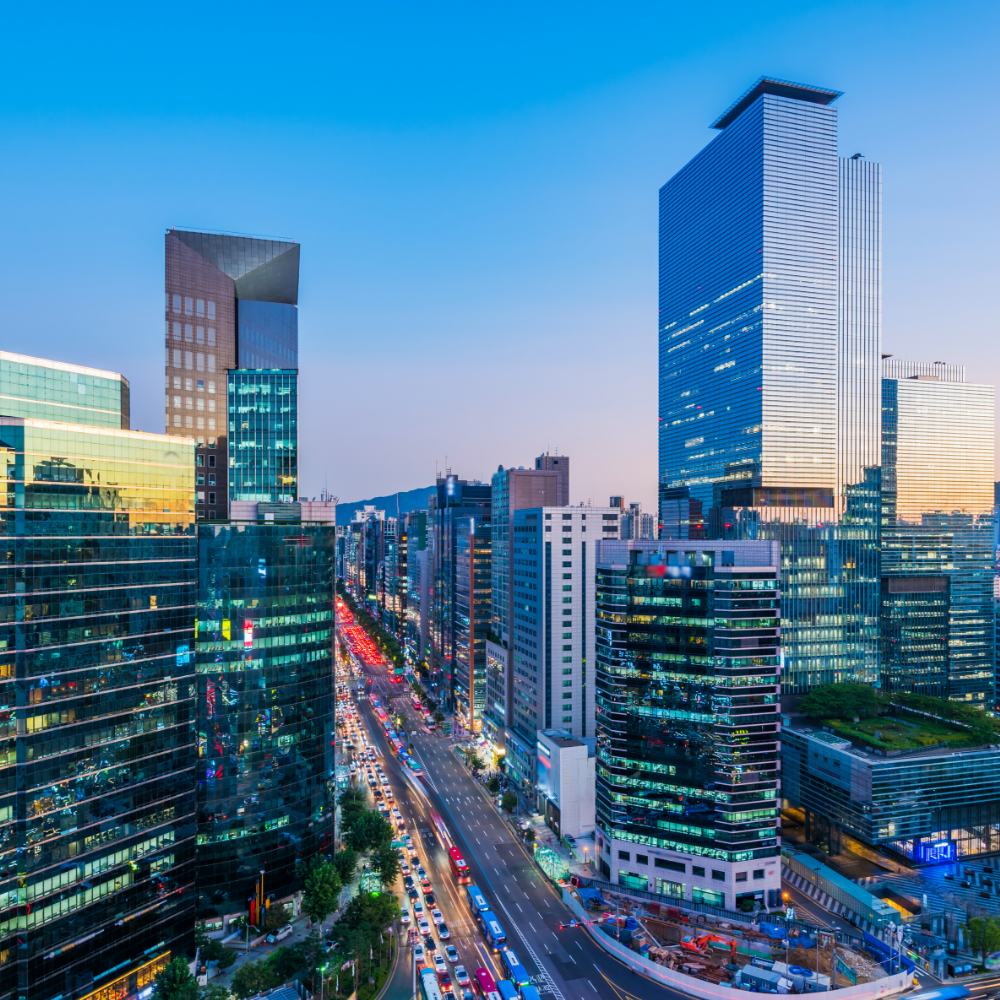
December is when Korea starts leaning into winter mood again. City lights, festive streets, cold air, and the possibility of snow give the country a more cinematic tone. It is a particularly good month for travelers who like visual atmosphere, seasonal shopping streets, night views, and cozy stays.
Seoul works well in December because the city is easy to enjoy through a mix of indoor and outdoor stops. Pyeongchang and other mountain areas make sense for travelers who want a more obviously wintry trip. December is not only for holiday travelers. It also suits solo travelers and couples who want Korea to feel intimate, bright, and slightly dramatic.

Dr. Beau’s Note
The best time to visit Korea depends less on one “perfect” month and more on what kind of trip you want. April and October are the easiest crowd-pleasers, but January, June, and November can be even better for travelers who want stronger atmosphere, fewer crowds, or a more personal rhythm.