
BTS at Gwanghwamun: Why Seoul’s Biggest Comeback Night Will Be Watched by the Whole World
BTS’s Gwanghwamun concert is not just a Seoul event or a K-pop headline. It is a cultural moment where a global group returns in one of Korea’s most symbolic public spaces, with the city, the fans, and the livestream audience all becoming part of the same story. For international readers, this is the deeper meaning, the real atmosphere, and the practical guide behind the night everyone will be talking about.

Why Gwanghwamun Changes Everything
Many global stars can fill a stadium, but very few can make a city landmark feel like part of the performance itself. That is what makes the BTS Gwanghwamun concert instantly different from an ordinary comeback stage. Gwanghwamun Square is not just a central location in Seoul. It is one of the most recognizable public spaces in Korea, framed by Gyeongbokgung Palace, wide civic avenues, and the visual language of Korean history. When BTS returns there, the setting speaks as loudly as the music. It gives the event weight, memory, and national symbolism before the first song even begins.
For international readers, this is the key to understanding why the story feels so large. People are not only searching for the BTS Seoul concert 2026 date or how to watch BTS live on Netflix. They are also asking why this location matters so much. The answer is simple: Gwanghwamun translates Korea to the world in one glance. It is where royal heritage, public identity, tourism, protest memory, and modern Seoul all exist together. Putting BTS in that space turns the concert into more than a performance. It becomes a statement about scale, visibility, and cultural confidence.
The title of the new era sharpens that meaning even more. ARIRANG immediately signals something rooted in Korean identity rather than something generic or globally interchangeable. That choice gives the event a stronger emotional frame for foreigners who may not know every historical detail, but can still feel that the comeback is being staged through a place and a theme that belong deeply to Korea. This is why the Gwanghwamun concert is so clickable and so memorable. It works at once as a music event, a Seoul event, and a Korea event.

What Global Fans Actually Want to Know
When a major BTS event is announced, international fans usually move through two emotions at once. First comes excitement. Then comes practical panic. Can I watch it from outside Korea? Is it free? Do I need a ticket? How early do people line up? Will the area be crowded even if I am not inside the official zone? What is the exact livestream time in my country? These questions are not secondary. They are the real search intent behind a high-performing article, especially for readers who want both emotion and usable information in one place.
This event answers those questions in ways that make the scale feel even bigger. The concert is officially set for March 21 at 8 p.m. in Seoul, and it will happen both in person and online, with free tickets and a live Netflix stream. That already shifts the atmosphere from a local concert to a synchronized global moment. People at the square, people across Seoul, and people on other continents will all be watching the same return at the same time. That is why the BTS Gwanghwamun concert feels less like a normal show and more like a public countdown that the whole fandom shares together.
The logistics also tell their own story. This is the kind of event where transport planning, crowd control, entry timing, security checks, and even what kind of bag you carry become part of the cultural conversation. That is exactly what international audiences notice. When a performance begins to shape the way a capital city moves, outsiders immediately understand that this is not overhype. It is a real-world event with physical scale. In search terms, that is what turns curiosity into clicks and clicks into longer reading time.
There is also a more emotional layer behind all this urgency. Many fans have waited through military service, solo projects, long pauses, and endless speculation about what the first full-group stage would look like. So people are not just watching to hear songs. They are watching to see what kind of new chapter BTS is stepping into, how the group will sound together now, and whether the mood will feel nostalgic, transformed, or both at once. That emotional uncertainty is what makes this article topic so powerful for a global audience. It is not only about access. It is about witnessing a moment that will immediately become part of BTS history.

Why This Night Feels Bigger Than Music
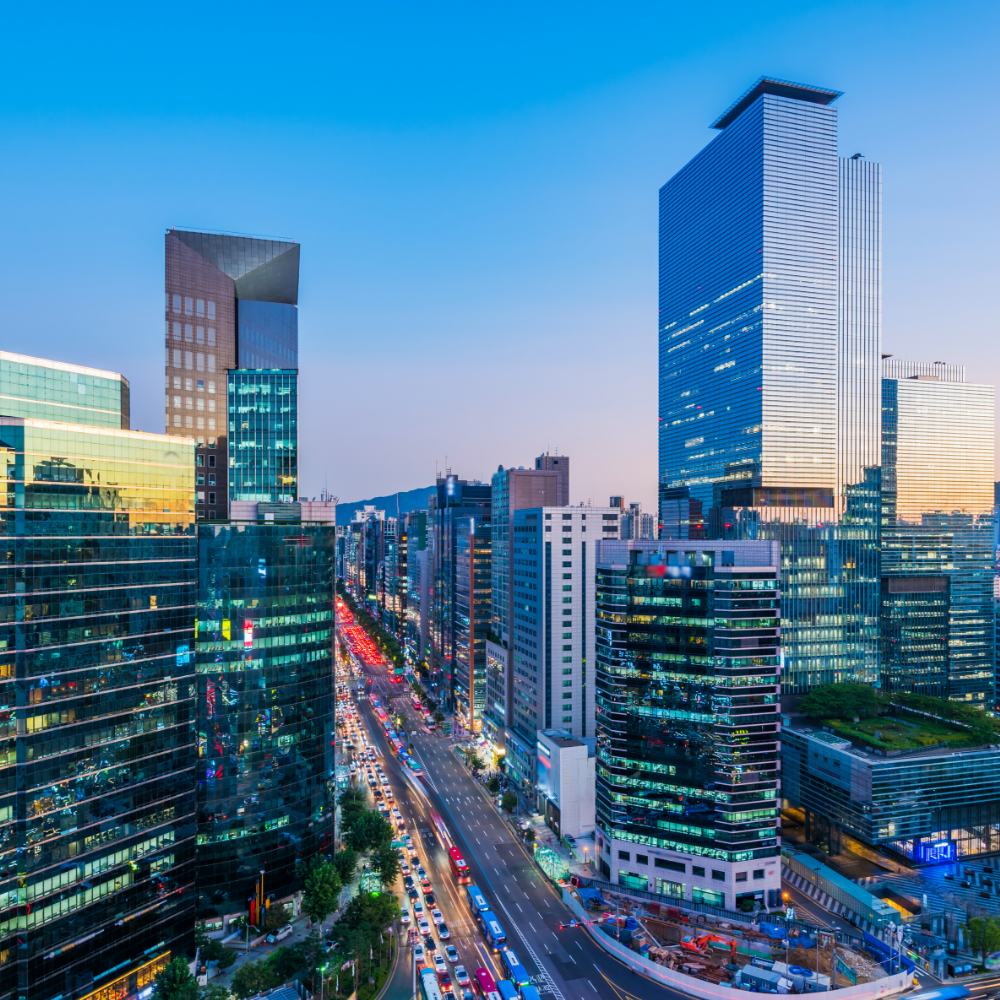
The easiest mistake is to see the concert as fan service and stop there. In reality, this is also a story about city identity, tourism, streaming culture, and the global image of Korea. Seoul is not just hosting BTS here. Seoul is presenting itself through BTS. The venue, the palace backdrop, the roads, the pedestrian flow, the multilingual support, and the huge public attention all turn the city into part of the stage. In that sense, the performance is also a portrait of how K-culture now moves through real urban space.
This is why the night feels bigger than a comeback. It joins together several audiences at once. There are official attendees inside the event zone. There are people around central Seoul who will feel the atmosphere even without entering the main viewing area. There are global viewers joining through Netflix. And there is a wider public that may not even identify as ARMY, but will still meet the event through clips, headlines, and social conversation. Very few concerts can activate all those circles at once. This one can, and that is what gives it unusual cultural force.
There is a deeper symbolic contrast here too. Gwanghwamun is usually associated with Korean state imagery, tradition, and ceremonial Seoul. BTS represents another side of Korea: digital speed, emotional intimacy, youth memory, and modern global influence. When the two meet in one frame, the effect is powerful. The event suggests that contemporary Korea does not need to separate heritage from pop culture. It can let both stand side by side and become stronger together. That is part of why foreigners are fascinated by this kind of event. It offers a form of Korea that feels both historic and unmistakably current.
A strong magazine piece should capture exactly that tension. It should explain why even people with no ticket are still interested, why Seoul residents are paying attention, and why visitors may suddenly begin searching for nearby routes, landmarks, and palace-view corners. Fandom often becomes urban curiosity, and urban curiosity often becomes cultural fascination. The BTS Gwanghwamun concert sits right at that intersection, which is why it is such a rich story for BEAUTIPIN to tell.

How to Watch, Move, and Experience It Well
If you are outside Korea, the smartest way to approach the event is to treat it as a real live appointment, not background content. Check the time in your own region early, open Netflix in advance, and expect the first moments to matter. This is the first full-group live return in years, and that changes the emotional value of watching live. For many fans, seeing the opening shot from Gwanghwamun in real time will matter as much as the songs themselves. That is why preparation matters even for remote viewers.
If you are in Seoul, the most important strategy is not aggression but flexibility. The city has already prepared for phased movement, on-site monitoring, multilingual support, and heavy crowd management around the area. That means the best experience often comes from respecting flow rather than trying to outsmart it. Build your route before you leave, save backup subway options, travel light, carry your valid ID if you are entering the official venue, and assume that even nearby streets will feel more intense than a typical weekend in central Seoul.
It also helps to decide what kind of memory you want from the day. Some people want to be as close as possible to the core event. Others will remember the wider atmosphere more vividly: the purple wave of anticipation, the public energy, the unusual mix of history and fandom, and the surreal feeling of watching one of Seoul’s most formal spaces transform into a pop culture landmark. Neither approach is wrong. But the people who enjoy this kind of day best are usually the ones who choose their pace before the city chooses it for them.
That is what makes this concert feel masterful even before it begins. The stage is only one part of the experience. The rest lives in the skyline, the movement of people, the synchronized countdown across countries, and the awareness that one performance can momentarily redefine how a city looks and feels. Whether you watch from inside the official zone, from another part of Seoul, or from another time zone entirely, the same truth remains: this is one of those nights when a concert becomes a place, and a place becomes part of pop history.

Dr. Beau's Note
What makes this topic exceptional is the way it combines global fandom with a deeply Korean sense of place. A BTS concert at Gwanghwamun is not simply big because BTS is big. It is powerful because the setting turns the comeback into a cultural image the whole world can understand at a glance.