
Chuseok in Korea: Traditions, Timing and What Opens in Seoul
Discover what Chuseok 2025 means in Korea, from holiday dates and family traditions to songpyeon, Seoul opening patterns, and smart travel planning.
The dated calendar below covers a single year. Korean public holidays shift against the lunar calendar, so check the current year's dates before booking anything around them.

Holiday Dates at a Glance
Chuseok day falls on Monday, October 6. For travelers, the more practical way to understand the holiday is as a longer break running from Sunday, October 5 through Wednesday, October 8. That creates a four-day holiday stretch when transport, family movement, and opening patterns across the country can all feel different from an ordinary week.
This matters because Chuseok is one of the biggest annual travel periods in Korea. Even if you are based in Seoul, you will notice the rhythm shift before and after the main holiday day itself. Booking and timing matter more than usual during this window.

What Chuseok Means
Chuseok, also called Hangawi, is Korea’s mid-autumn harvest festival and one of the country’s most important family holidays. It is the time when many Koreans return to their hometowns, gather with relatives, honor ancestors, and share seasonal food. In global terms, it is often compared to Thanksgiving, but the emotional tone feels distinctly Korean: family-centered, respectful, and closely tied to ancestral memory.
For visitors, Chuseok is one of the clearest windows into Korean family culture. Even if you do not take part directly, you can feel the meaning of the holiday through food, traditional spaces, and the calmer, slightly more intimate atmosphere that settles over the city.

Traditions and Foods
One of the best-known Chuseok customs is charye, a memorial rite held at home in the morning to honor ancestors. Families also visit ancestral graves, clean them, and spend time together in ways that feel both ceremonial and practical. These rituals are part of why Chuseok is experienced as more than just a long weekend.
The food most closely associated with the holiday is songpyeon, the half-moon-shaped rice cake often filled with sesame, red bean, chestnut, or other sweet ingredients. Seasonal fruits, jeon, and other holiday dishes appear on family tables too. In some households, hanbok, folk games, and moon-viewing still remain part of the holiday mood, especially for children or larger family gatherings.

What Stays Open in Seoul
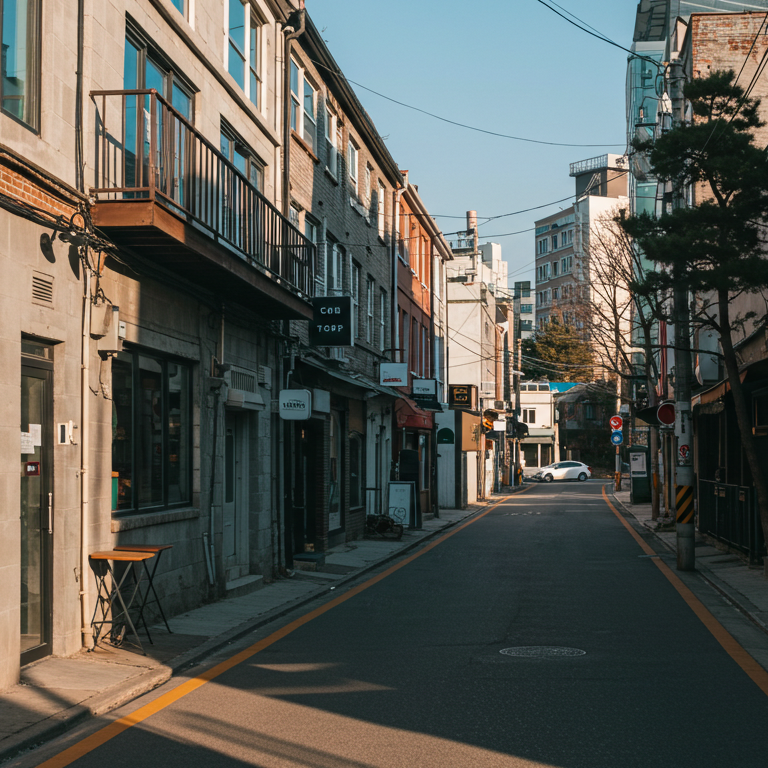
Chuseok changes Seoul, but it does not shut the city down completely. Many smaller family-run shops and restaurants may close during the main holiday period, especially around peak family hours. At the same time, a number of major cultural sites, museums, palaces, and city programs often continue operating on adjusted schedules, and Seoul usually publishes dedicated holiday guidance for visitors.
That is why Chuseok in Seoul can actually be rewarding for travelers who plan well. The city sometimes feels less hectic in certain districts, while cultural venues and holiday-themed programs give the period a more distinctive atmosphere than an ordinary week. The key is to avoid assuming that every neighborhood will function normally.

How To Plan Your Trip
The smartest Chuseok planning starts with transport. This is one of the busiest travel moments of the year in Korea, so trains and intercity buses can become difficult to book if you wait too long. Even visitors staying only in Seoul should plan restaurant and shopping expectations more carefully than usual.
A flexible city day works best. Start with a market, bakery, or café earlier in the day, then move into palaces, museums, hanok spaces, or riverside walks. Keep evening plans light and adaptable. Chuseok is one of those times when the city feels best if you work with its rhythm instead of trying to force a perfectly ordinary itinerary onto a holiday that is anything but ordinary.

Dr. Beau’s Note
Chuseok is one of the most meaningful times to see Korea through a cultural lens, but it rewards travelers who prepare gently rather than aggressively. The best mindset is not “How do I do everything normally?” but “How do I experience Seoul well during a special national holiday?”
Autumn air can also turn drier than many visitors expect. Lip balm, sunscreen, and a small hydrating mist go a long way when you are moving between indoor cultural stops and longer outdoor walks.