
Coffee and Weight Loss: What Actually Matters in Your Daily Habit
Coffee itself is almost calorie-free and gives a mild, temporary lift to metabolism and exercise performance — but it is not a weight-loss tool. What decides whether your coffee habit helps or hurts is everything around the cup: what you add to it (syrups and cream can turn a 5-calorie drink into a 400-calorie one), when you drink it, and whether it is replacing sleep or meals rather than supporting them.

How Coffee Influences Metabolism
Caffeine is a stimulant, and stimulation costs energy. It raises alertness, slightly increases the rate at which the body burns energy at rest, and can make fat more available as fuel during exercise — which is why caffeine is one of the few supplements with a genuine reputation as a performance aid among athletes. Drinking coffee before a workout tends to make effort feel more manageable, and effort that feels manageable is effort you actually complete.
But the size of the effect deserves honesty. The metabolic bump is small, temporary, and easily erased by a single snack; it does not accumulate into meaningful fat loss on its own. Regular drinkers also develop tolerance, so the thermogenic response fades over time even as the psychological ritual remains. The useful way to think about coffee is indirect: it may help you train harder and stay consistent, and consistency is what changes body composition. The coffee is the assistant, never the mechanism.

The Hidden Calories Most People Ignore
Here is the part that actually moves the needle. A cup of black coffee contains roughly five calories — nutritionally close to water. The moment it becomes a large sweetened latte with flavored syrup, whole milk and whipped cream, it can carry as much energy as a full meal, several hundred calories, most of it sugar. The drink didn't change category in your mind, but it did in your body.
The trap is that these calories are invisible in a way food calories are not. Nobody logs a beverage as lunch, and the sweetness doesn't produce the fullness that would make you eat less afterward — liquid sugar is famously poor at satisfying appetite. Two flavored drinks a day, ordered on autopilot, can quietly account for a large share of a daily intake that otherwise looks disciplined.
The fix requires no willpower heroics, just an audit. Order the smaller size, ask for half the syrup or none, switch whole milk for a lighter option, and skip the cream by default rather than by decision. Many people find that after two weeks of unsweetened coffee, the sweetened version tastes cloying — the palate recalibrates faster than expected.

Timing, Caffeine, and Daily Limits
Health authorities generally consider up to about 400 mg of caffeine per day safe for most healthy adults — roughly four modest cups of brewed coffee, though a single large caf� americano can carry far more than people assume. Pregnancy, certain medications and cardiac or anxiety conditions all lower that ceiling, which is a conversation for a clinician rather than an article.
Timing matters more than most people realize, because caffeine's half-life sits around five to six hours: an afternoon cup at 4pm still has half its caffeine circulating at bedtime, and a meaningful fraction beyond that. Morning and early-afternoon coffee aligns with the body's natural alertness curve; late coffee borrows from the night. If you drink coffee specifically before training, a cup thirty to sixty minutes ahead is the practical window.

When Coffee Starts Disrupting Your Body
The mechanism that turns coffee counterproductive runs through sleep. Caffeine too late reduces sleep quality; short or poor sleep shifts the hormones that govern hunger and fullness, reliably increasing appetite — particularly for high-energy foods — and lowering the willingness to exercise the next day. Then a tired morning invites more coffee, and the loop closes on itself. This is the single most common way a coffee habit works against a weight goal, and it never announces itself as a coffee problem.
The second pattern is substitution: using coffee to postpone meals. Caffeine dampens appetite temporarily, so skipping breakfast feels effortless — until the deferred hunger arrives in the late afternoon and gets answered badly. There are smaller costs too, from acid reflux to jitteriness that reads as anxiety. None of this makes coffee harmful; it means coffee should sit on top of rest and nutrition, never in place of them.

What Korea's Coffee Culture Gets Right
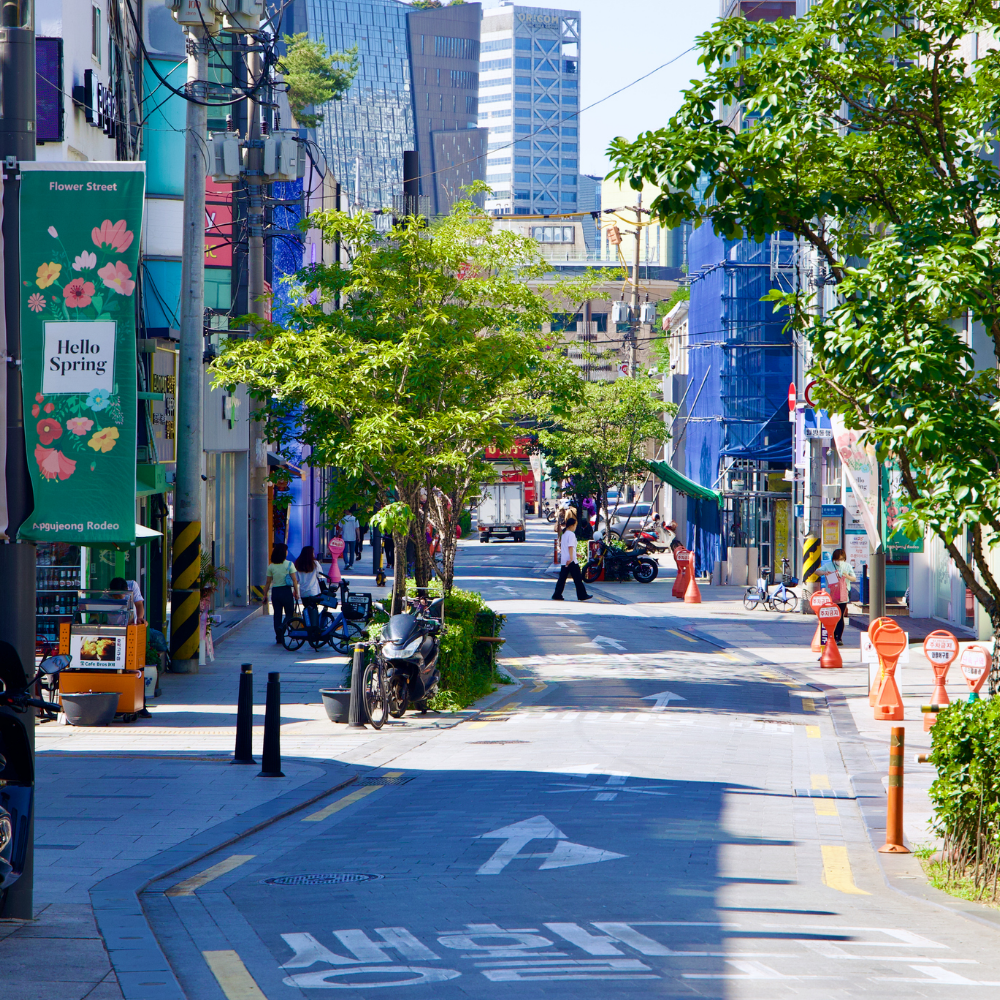
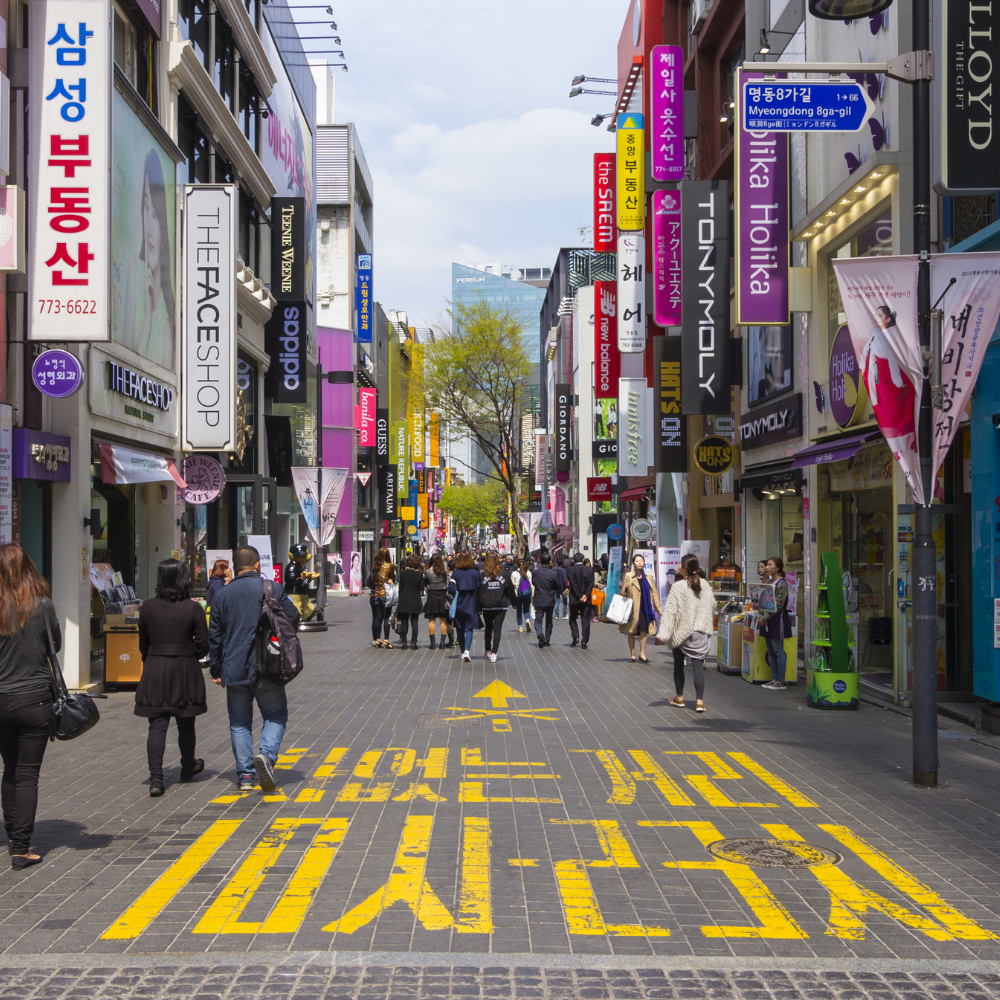
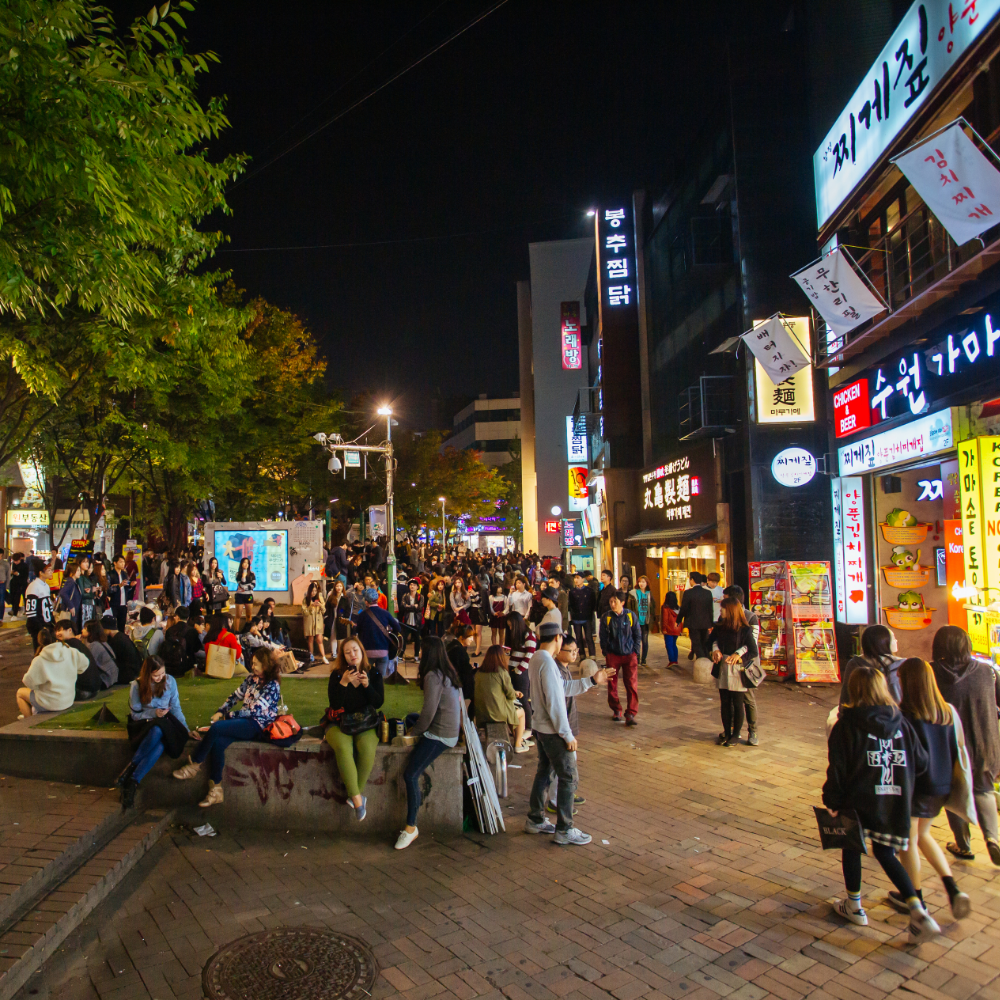
Korea drinks an extraordinary amount of coffee — per-capita consumption ranks among the highest in the world, and caf� density in Seoul is legendary — yet the default order is instructive: the iced americano, so entrenched that locals joke about drinking it in midwinter. An americano is espresso and water. Calorie-wise it is essentially free, which means the national habit is built around the version of coffee that carries no metabolic cost at all.
The second thing Korean coffee culture gets right is that the caf� is a place, not a drink. Meetings, study sessions, long conversations and quiet work hours happen there, so the coffee is a ticket to a setting rather than a treat to be consumed quickly. That framing does something subtle and useful: it decouples the ritual from the sugar. If you want one adjustment worth importing, it is this — keep the ritual, order it black or as an americano, and let the pleasure come from the pause rather than the syrup.
Dr. Beau’s Note
My one contrarian observation, from the skin side of the desk: the coffee habit I'd change first is rarely the calories — it's the 4pm cup. I meet people chasing better skin and a lighter frame who are quietly running on six hours of shallow sleep, and caffeine's long tail is often why. Sleep is the least glamorous intervention in both wellness and skincare and consistently the most effective. Move the last coffee earlier for two weeks before changing anything else about your diet, and judge the results then. This is general wellness guidance, not medical advice — anyone with a heart condition, anxiety disorder, or a pregnancy should set their caffeine limits with a doctor.