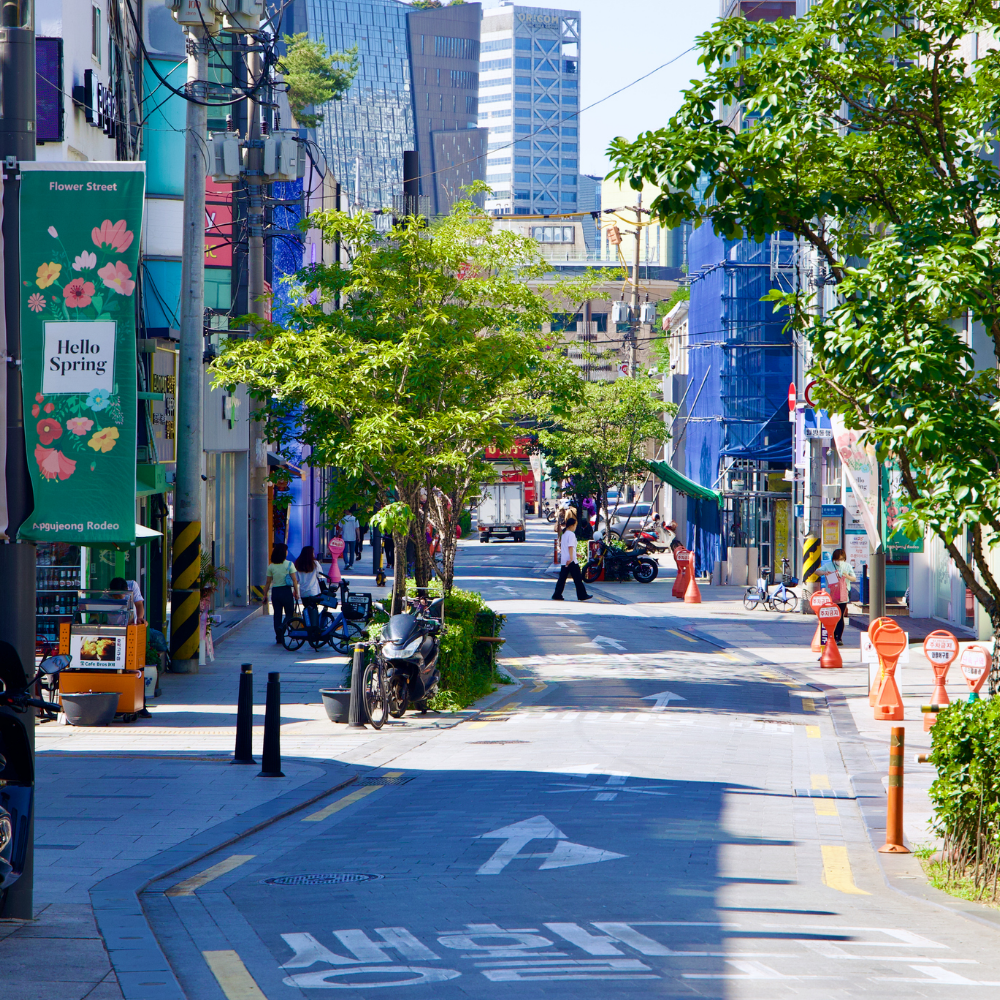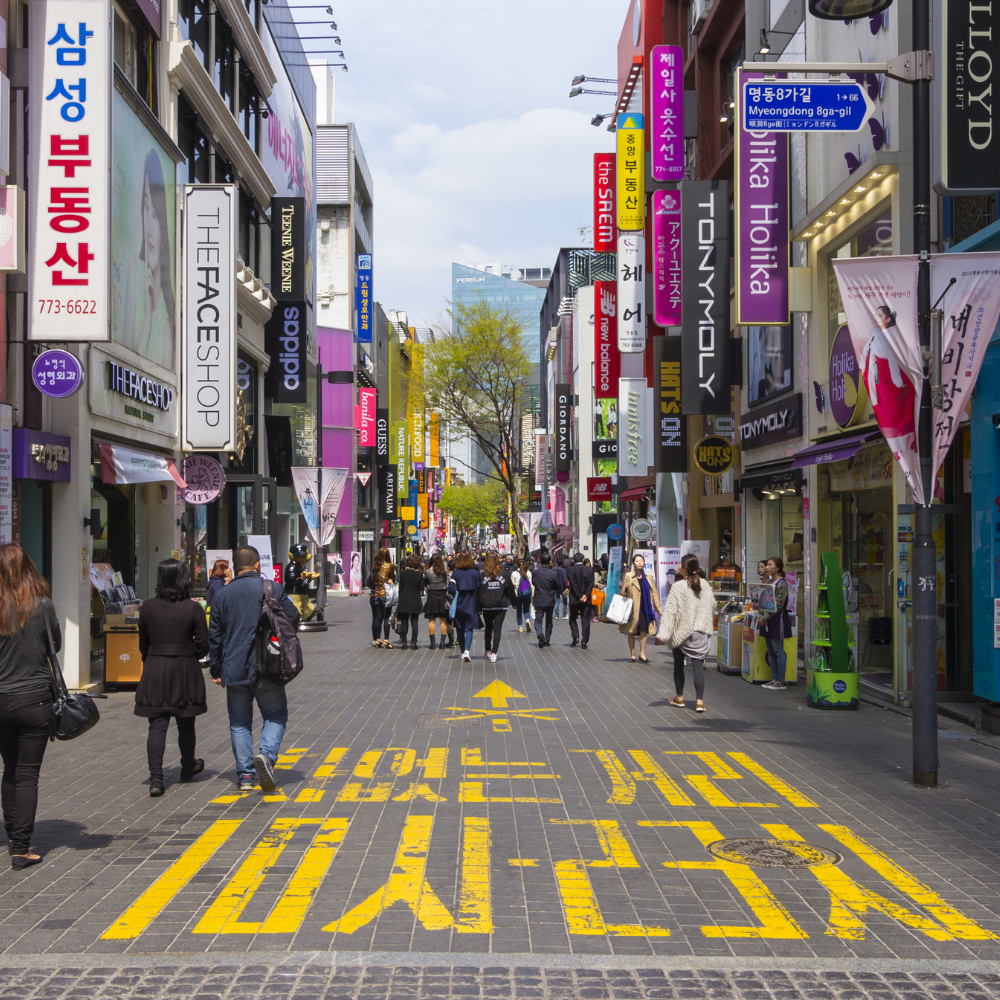

The September Skin Shift: Rebuilding Your Routine for Korean Fall
As summer winds down, Korean skincare quietly changes gear: humidity drops, temperature swings widen, and the light gel textures of August stop being enough. The Korean approach to the fall transition is gradual and specific — switch textures before ingredients, repair the barrier summer stressed, and keep the sunscreen exactly where it is. Here is the sequence, in the order Korean routines actually follow it.

Why the Turn of the Season Hits Skin
Korea's four seasons arrive with conviction, and the summer-to-fall handover is the sharpest of them. Within a few weeks, the thick humidity that kept skin passively hydrated all summer drains away, indoor heating begins its first test runs, and the gap between warm afternoons and chilly evenings widens. Skin, which had adapted to a sauna, suddenly finds itself in a wind tunnel.
The predictable results show up by early autumn: tightness after cleansing, flaking around the nose and mouth, makeup that clings unevenly, and a dull cast that no amount of summer gel seems to fix. None of this means your products stopped working — it means the environment they were chosen for no longer exists.
Koreans treat this as a scheduled event rather than a surprise. The same way wardrobes rotate, routines rotate — and the fall rotation, like the one we described for the spring shift, follows a sequence rather than a shopping spree.

Texture First: The Korean Fall Switch
The core Korean principle for seasonal transition is texture before ingredients. You do not need a new philosophy in September — you need the same hydration in a heavier vehicle. Gel moisturizers hand over to creams; watery summer lotions give way to emulsions; and the light layers of summer regain their depth: toner, a hydrating serum, then cream, each pressed in rather than rushed.
The switch works best as a rolling change, not a single dramatic swap. Start with nights: keep your summer routine for the morning and move the richer cream to the evening, when skin does its repair work and no one minds a little shine. As the weeks cool further, the cream migrates to mornings too. Overnight hydrating layers — the sleeping masks we covered in our sleeping mask guide — rejoin the rotation around the same time.
Two small Korean habits make the difference. A hydrating mist through the day counters dry office air before it becomes tightness, and the last skincare step moves closer to bedtime — sealing water in, rather than reapplying after it has already left.

Repairing What Summer Left Behind
Summer takes a toll that only becomes visible when the glow of tanned busy months fades: a weakened barrier from sweat, sun, and over-cleansing, plus the pigment souvenirs of UV exposure. Fall is when Korean routines pivot to repair — and the repair playbook starts gentle. Barrier-supporting ingredients like ceramides, panthenol, and madecassoside take center stage, while aggressive exfoliation waits until skin stops feeling reactive.
If your barrier took real damage — persistent stinging, redness, flaking that moisturizer alone does not settle — treat that first, following the calm reset we outlined in the barrier recovery guide. Actives can return one at a time afterward, oldest friends first, with several quiet days between reintroductions.
As for summer's dark spots: autumn is the season Korean clinics traditionally begin pigment work, precisely because UV pressure eases. That is a conversation to have with a professional after a proper look at your skin — the honest home-care contribution is prevention, patience, and not picking at what summer left.

What Not to Change
The most common fall skincare mistake is retiring the sunscreen with the beach towels. Autumn UV in Korea remains entirely real — clear dry skies, outdoor seasons like foliage hiking, and the same UVA that ages skin year-round. The Korean consensus is blunt: the sunscreen step survives every season; only the texture is allowed to change, from summer's watery finishes to more comfortable creamy ones.
Resist, too, the urge to overhaul everything at once. A whole-shelf replacement in one week makes any reaction untraceable; the rolling, one-change-at-a-time rhythm exists precisely so your skin can vote on each adjustment. And keep the cleanser gentle — cold-weather tightness tempts people toward "deeper" cleansing, which is exactly backwards.
Finally, know the limit of the season metaphor: if skin stays inflamed, breaks out in new patterns, or reacts to everything, that is not autumn, that is a skin issue — and a dermatologist, not a heavier cream, is the next step. This article is general information rather than medical advice; persistent problems deserve professional eyes.

Dr. Beau's Note
Every September I watch two kinds of people arrive at the same dry, flaky October: the ones who changed nothing, and the ones who changed everything in one enthusiastic weekend. The skin fails them identically.
The Korean seasonal instinct is really just pacing — one texture, one week, one verdict at a time. Skin is a slow reader; give it the book one page per night.