
Gangnam Unlocked: Luxury, Culture, and Cafes in Seoul’s Iconic District
Gangnam is one of Seoul’s most recognized names, but the real district is more layered than its global image suggests. Beyond luxury storefronts, it offers temple calm, royal history, riverside breathing room, and some of the city’s most polished cafe culture. This guide helps foreign travelers explore Gangnam in a way that feels stylish, practical, and actually worth the time.

What Makes Gangnam More Than Just a Famous Name
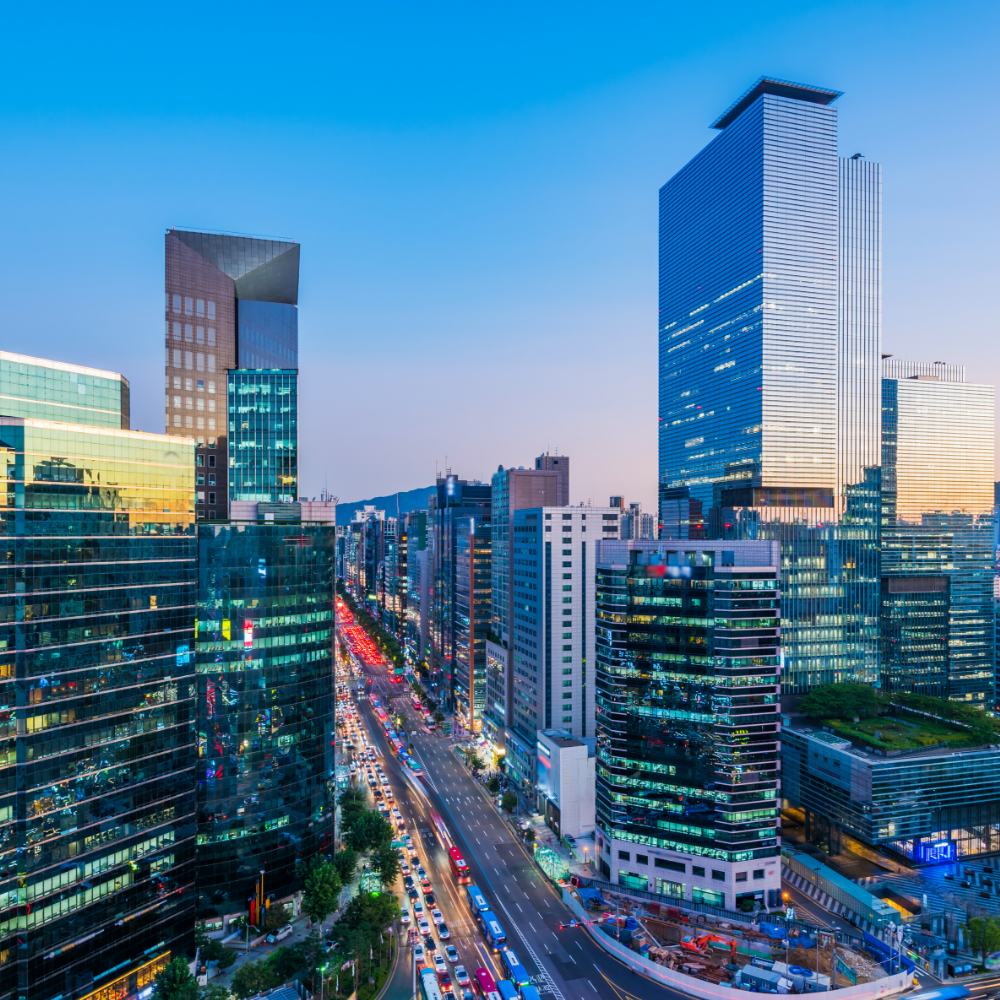
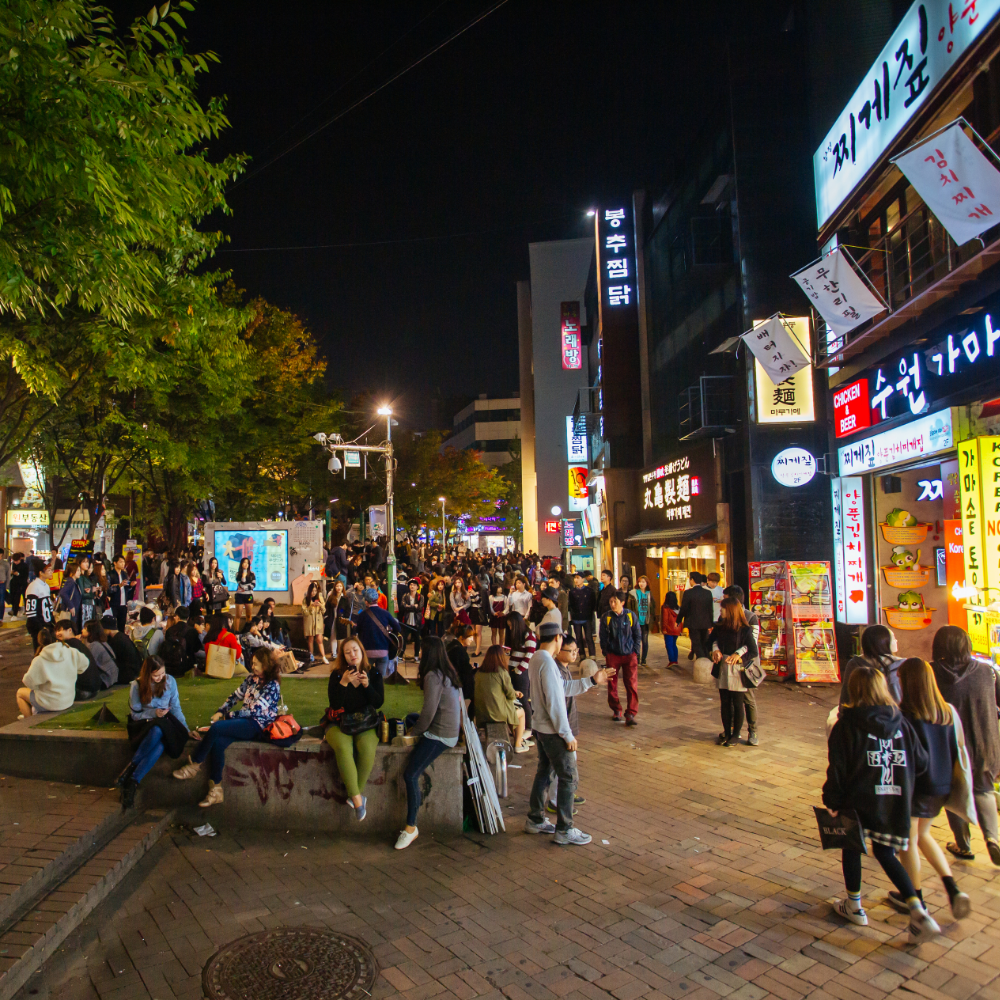
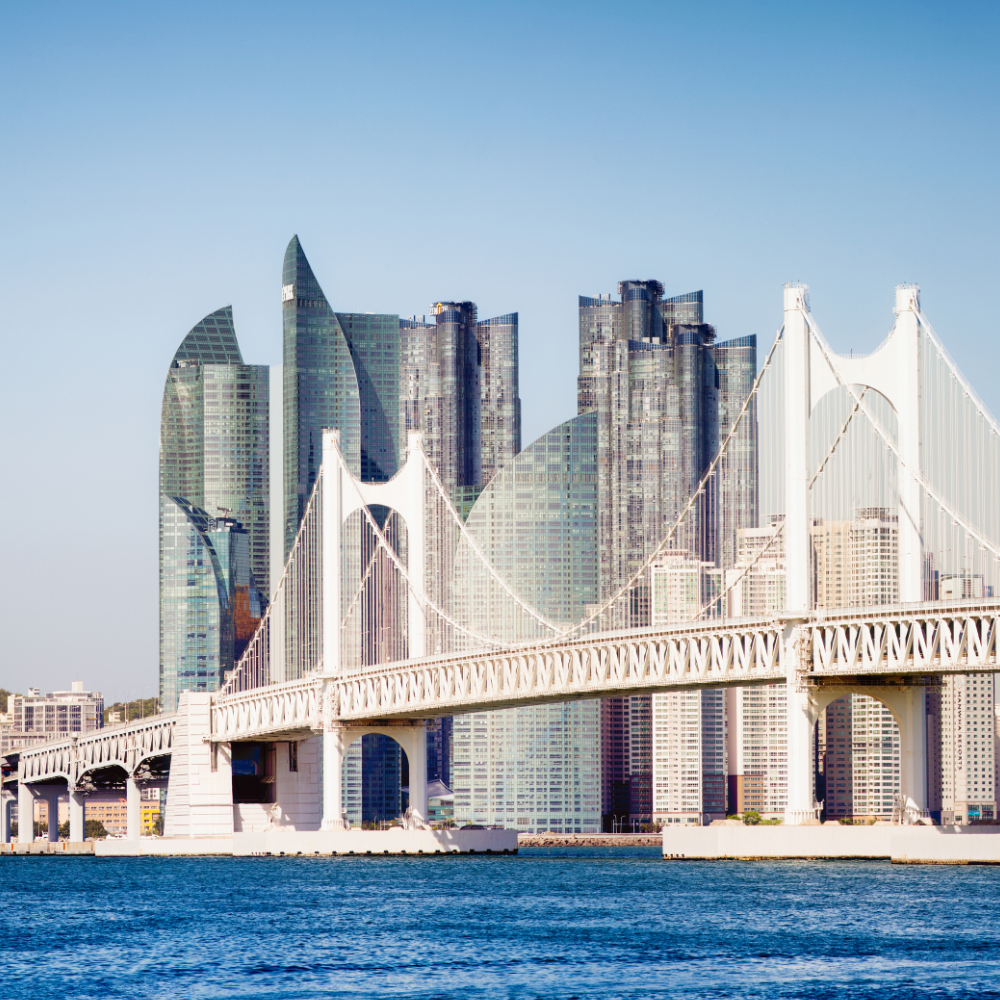
For many foreign visitors, Gangnam begins as a pop-culture reference. But on the ground, the district feels much more complete than its celebrity image. It is one of the clearest places in Seoul where you can see how Korean urban life blends shopping, food, business, beauty culture, and public space into one highly walkable experience. Gangnam is not only where people go to spend money. It is where people go to move through a polished version of everyday Seoul.
That is why the district works so well for travelers. You can enter it through different moods. Some visitors come for fashion and flagship stores. Others come for COEX, temples, design-forward cafes, or green spaces that feel unexpectedly calm for such a famous part of the city. The real Gangnam is not one thing. It is a sequence of atmospheres, and that is what makes it worth exploring beyond the stereotype.

Where Luxury and Local Taste Meet
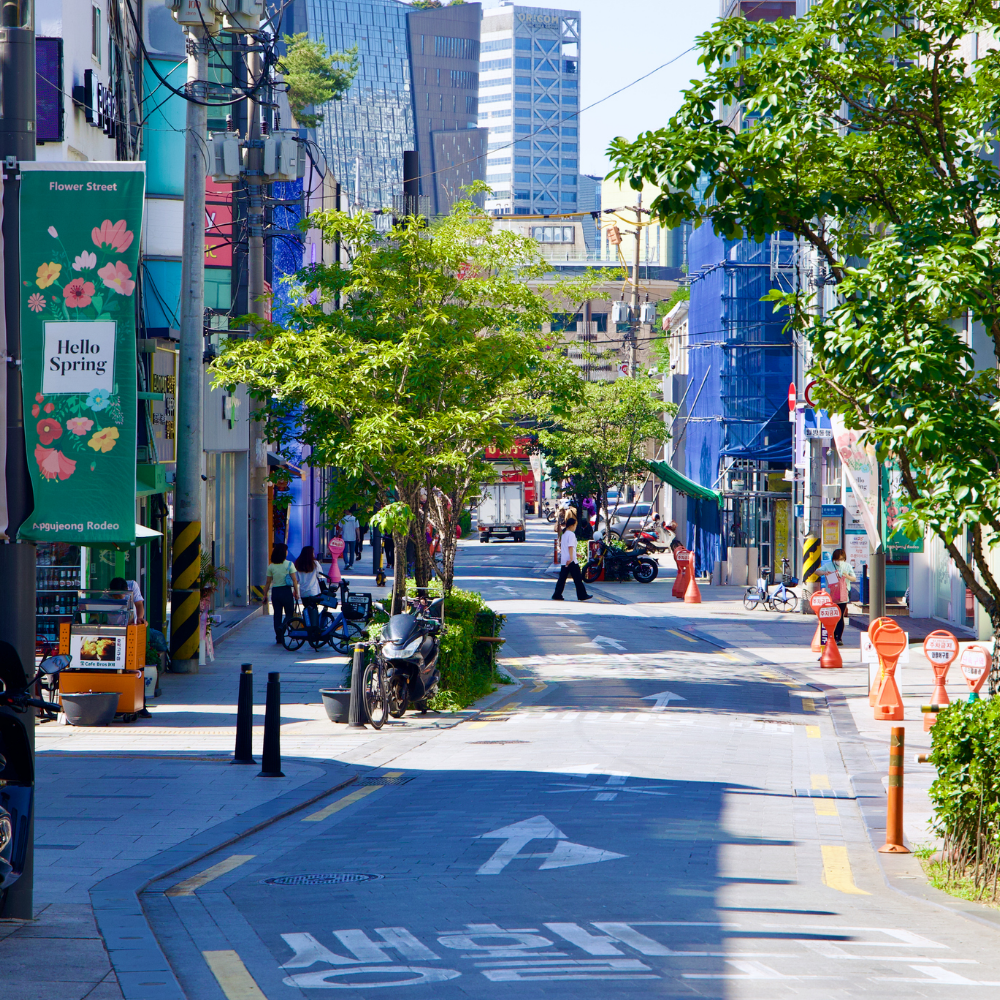
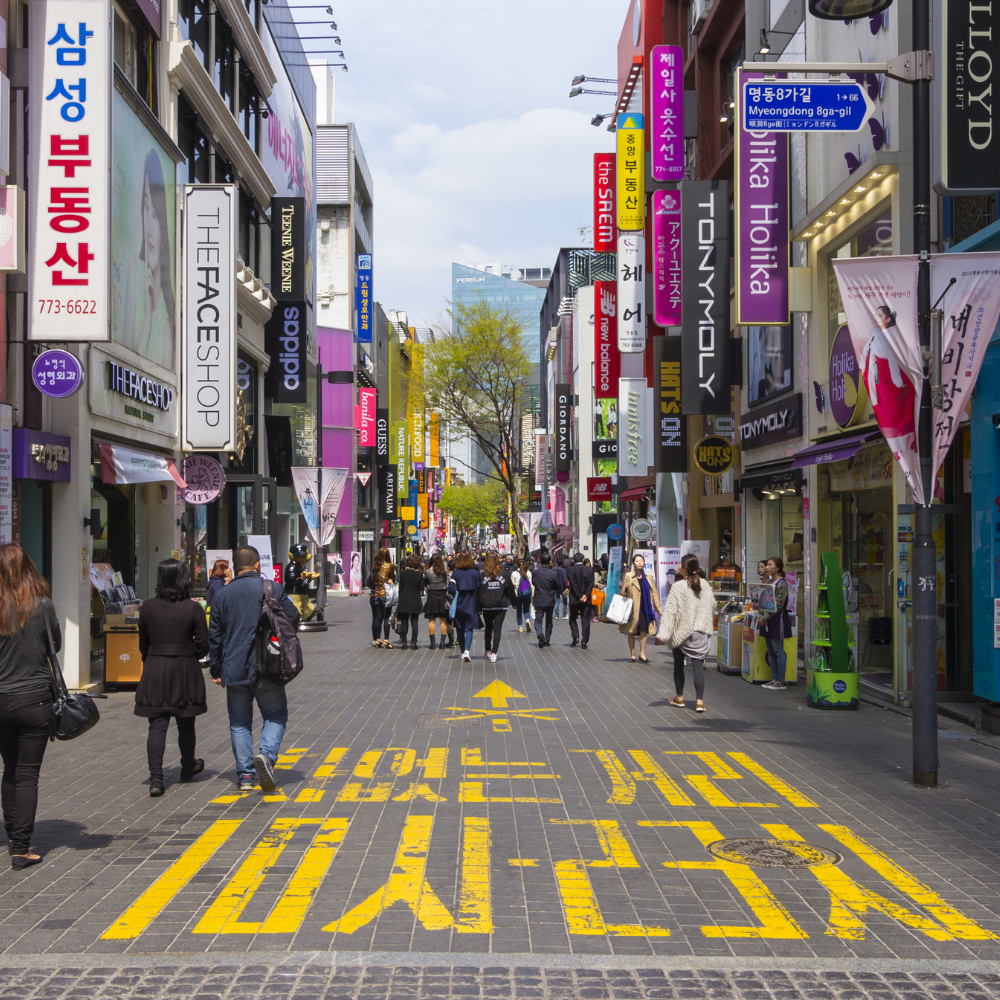
If you want to understand Gangnam’s reputation quickly, start with the shopping corridors. Garosu-gil in Sinsa still works as one of the easiest entry points because it mixes fashion, beauty, cafes, and side-street strolling in a way that feels accessible even if you are not buying anything. It is less intimidating than some visitors expect and more useful as a “feel the district” walk than as a pure luxury destination.
Cheongdam, by contrast, feels more deliberately high-end. This is where Gangnam’s luxury identity becomes most visible through flagship stores, polished streetscapes, and a quieter kind of retail confidence. Nearby Apgujeong Rodeo also adds a more trend-driven layer, where fashion, entertainment culture, and high-visibility Seoul style overlap. For foreign travelers, the best strategy is not to treat these areas as separate checklists. They are parts of the same Gangnam mood, and they make the most sense when experienced as one long progression from approachable style to unmistakable luxury.

Cafes, Creative Streets, and Slow Breaks
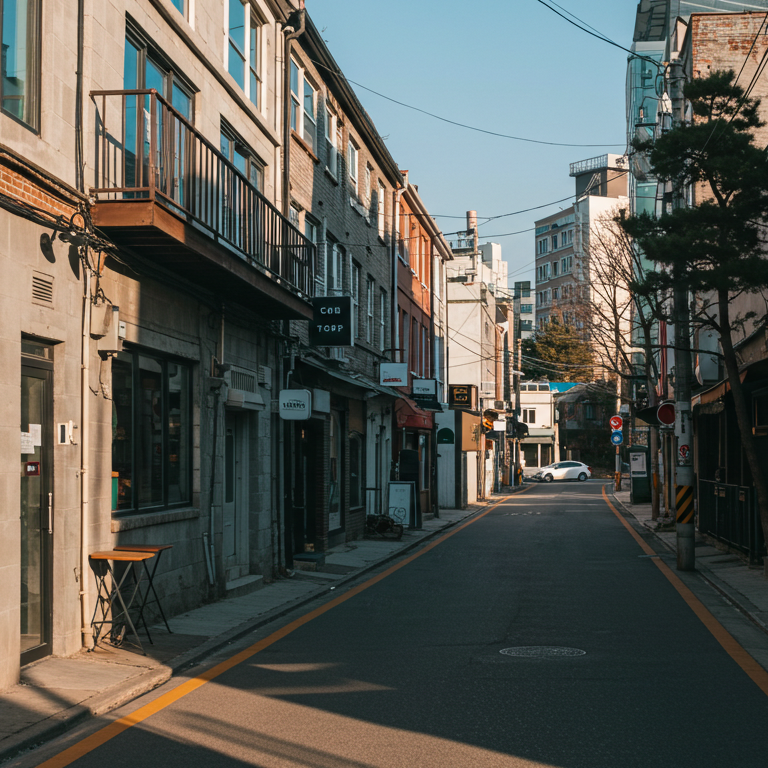
Gangnam’s cafe culture matters because it softens the district’s sharpest image. Without it, Gangnam could feel all surface and speed. But one of the reasons locals keep returning is that the area offers ways to slow down inside the spectacle. Around Sinsa, Apgujeong, and Cheongdam, cafe culture is not just about coffee. It is about interior mood, people-watching, quiet meetings, dessert pauses, and a polished social rhythm that feels very Seoul.
This is where travelers often make the best memories. Not at the most expensive store, but in the hour between stops. A good Gangnam cafe break can reset the whole district and make it feel less performative and more livable. That is also why this area works well even for non-shoppers. The streets themselves are part of the attraction, and the pauses between destinations often become the most enjoyable part of the route.

The Quiet Side of Gangnam
One of the most useful corrections to the Gangnam stereotype is this: the district is not only glossy. It also holds some of Seoul’s most grounding spaces. Bongeunsa Temple, right next to the COEX area, is one of the clearest examples. The shift is immediate. High-rise commercial Seoul gives way to a slower spiritual atmosphere without requiring a long detour. That contrast is one of the district’s most impressive qualities.
Seonjeongneung adds a different kind of quiet, with royal tomb grounds that feel unexpectedly open and reflective inside a modern business district. And if you want something less historical and more breathable, riverside or stream-adjacent walks near the broader Gangnam area can restore the sense of space that urban travel sometimes erodes. This quieter side is what makes Gangnam a fuller destination. Without it, the district would only impress. With it, the district becomes memorable.

Dr. Beau’s Note
The real Gangnam is not just flashy. It is layered. If you only visit for luxury, you will understand the surface. If you add cafes, temples, and a slower walking rhythm, you start to understand why the district continues to matter to Seoul itself.