
Gwangjang Market Guide: Seoul Street Food, Textiles, and Night Energy
Discover why Gwangjang Market remains one of Seoul’s most memorable stops, where street food, hanbok fabrics, and old-market energy still meet in the center of the city.

Why Gwangjang Market Still Matters
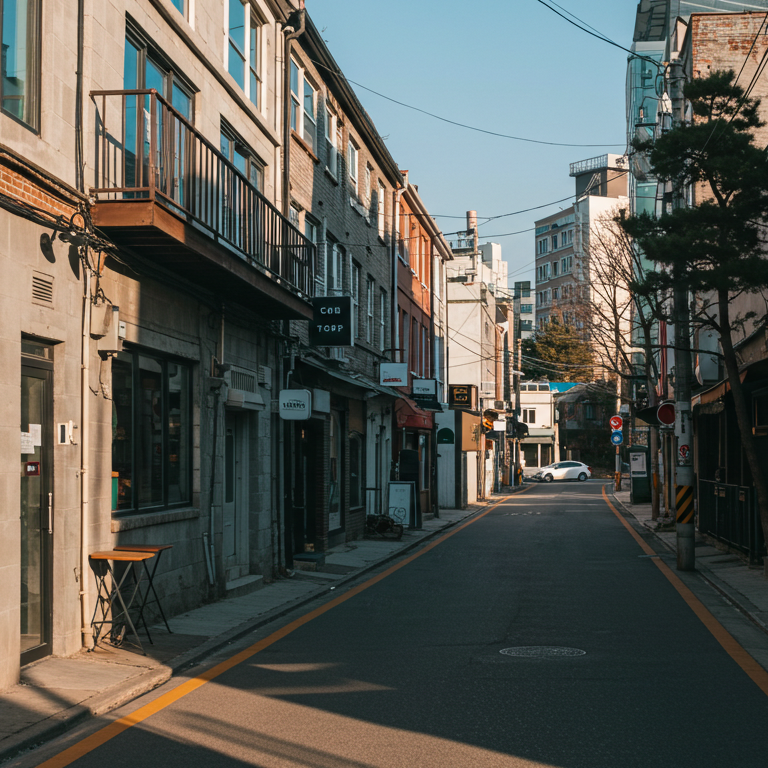
Gwangjang Market remains one of the easiest places to feel Seoul’s older rhythm without leaving the city center. Established in 1905, it is widely introduced as Korea’s first permanent market, and that history still gives the area a different texture from newer shopping districts. The market does not feel staged for visitors. It feels lived in, layered, and still useful to the people who work there every day.
That is what makes it more than a food stop. In one visit, you can move from noisy food alleys to fabric shops, hanbok-related stalls, and older commercial corridors that still reflect how Seoul grew. For visitors who want a version of Seoul that feels both famous and genuinely local, Gwangjang Market still does that very well.

What to Eat at Gwangjang Market
The food alley is the market’s most famous draw for good reason. Bindaetteok, mayak gimbap, yukhoe, noodles, dumplings, and simple counter-style meals make the market one of Seoul’s strongest places to try recognizable Korean dishes in a compact setting. The atmosphere is part of the appeal: close seating, visible cooking, fast turnover, and the sense that everyone is there for the same reason.
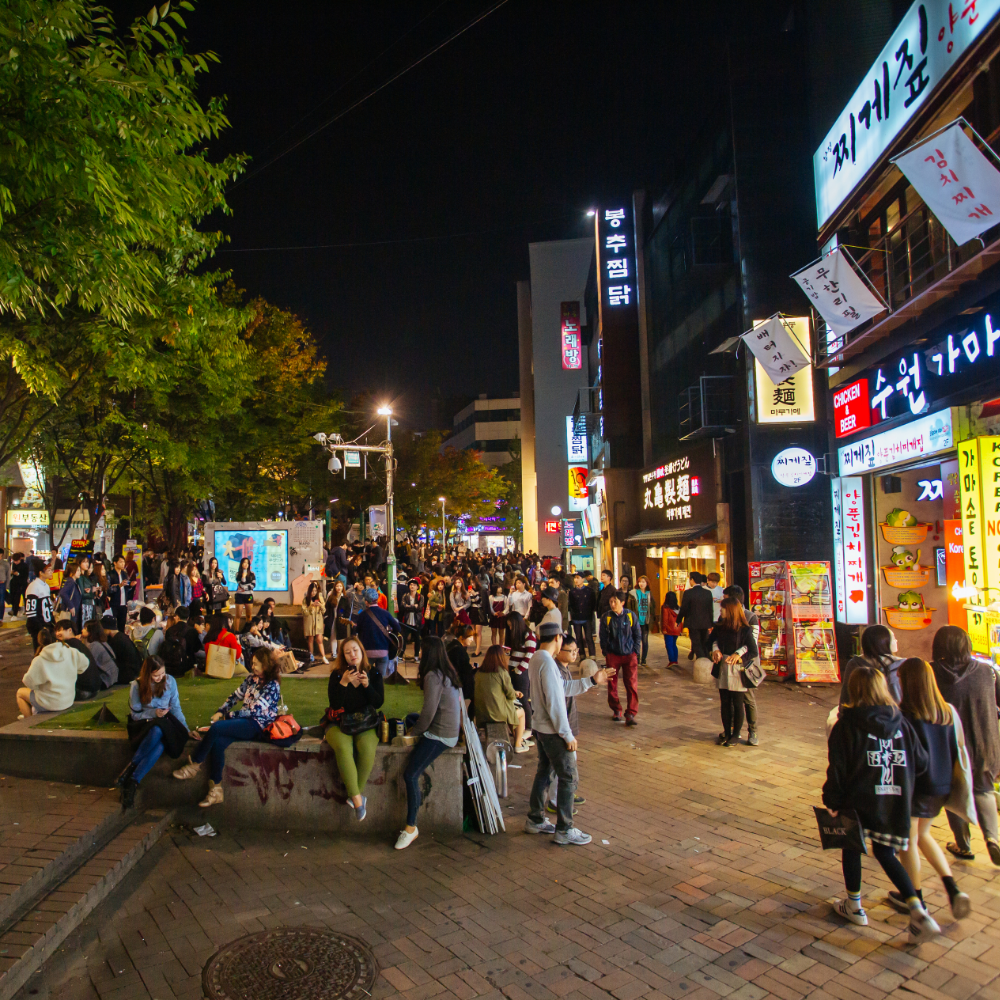
It is also useful to know that the food section operates on a different schedule from the general market. Official Seoul tourism guidance lists the market overall as 09:00 to 18:00, while the Food Alley is listed until 23:00. That means evening visits still make sense for eating, even if other shopping areas have slowed down. If you want one of Seoul’s most iconic casual food experiences, this is still one of the easiest choices.

Why the Fabric and Hanbok Side Is Worth Seeing
Many visitors focus only on the food, but Gwangjang Market’s fabric and hanbok side is one of the reasons the market still feels distinctive. Older Seoul tourism and market guides consistently describe it as a place for hanbok, textiles, and traditional goods as well as food. That side of the market gives the visit more depth, especially if you want to understand why Gwangjang has remained relevant for so long.
Even if you are not shopping for custom clothing, the texture of the market changes when you walk through these aisles. The visual rhythm becomes quieter and more material-focused: folded fabrics, color-dense stacks, and tailoring culture rather than fast snacks and photo-taking. That contrast is exactly what makes the market satisfying. It lets you experience Seoul as both appetite and craft.

How to End the Visit with a Practical Beauty Stop
After a crowded market visit, a beauty stop can fit naturally into the day, especially if you are already exploring central Seoul. Food, heat, walking, and changing weather can leave the skin feeling more tired or dehydrated than expected, which is one reason some visitors prefer to build a skincare or clinic stop into their itinerary rather than treating it as a separate errand.
For BEAUTIPIN readers, the best version of this is practical rather than aggressive. Instead of promising every treatment immediately, it makes more sense to use BEAUTIPIN as a way to compare nearby options and organize a skin-focused stop after the market. That keeps the travel rhythm intact while still giving visitors a clear way to add Korean beauty planning to the same day.

Dr. Beau’s Note
What makes Gwangjang special is not only that it is famous. It is that it still feels useful, textured, and human. You can eat something classic, see a different side of Seoul’s material culture, and leave feeling like you experienced more than a checklist stop.
For BEAUTIPIN, this kind of place works well because it lets culture, food, and self-care exist in the same day without forcing the connection. That is usually when travel in Seoul feels most natural.