
How Foreigners Get Medical Care in Korea: Clinics, Hospitals, Emergencies & Insurance
Medical care in Korea can feel confusing at first, especially if you are new to the system. The good news is that it becomes much easier once you understand the basic flow: local clinic first, larger hospital when needed, pharmacy after the visit, and different paperwork depending on your insurance. This guide explains the process in a clear, practical way for travelers, students, and long-term residents.
The Quick Decision Guide
If you have a cold, stomach pain, a skin problem, mild fever, a simple infection, or minor pain, a local clinic is usually the best first stop. In Korea, neighborhood clinics are fast, practical, and designed for everyday care.
If you have severe chest pain, heavy bleeding, trouble breathing, loss of consciousness, major injury, or other urgent symptoms, go to the emergency room or call 119 immediately.
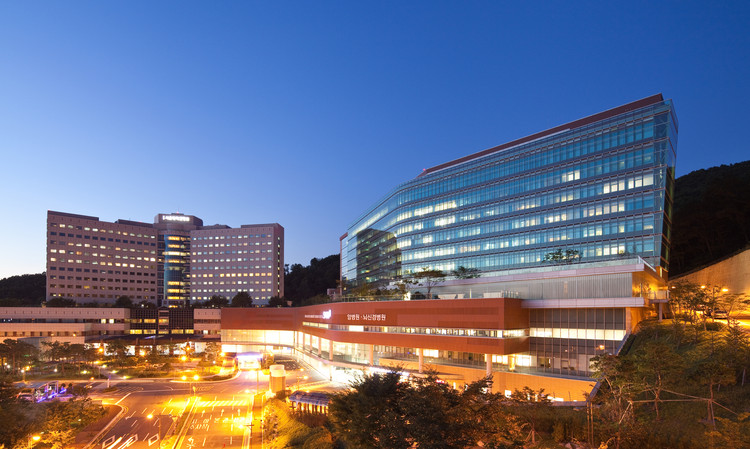
If you need more advanced imaging, a specialist workup, surgery, or complex treatment, the usual pathway is clinic first, then referral, then larger hospital if needed. Understanding that sequence makes Korea’s healthcare system much easier to navigate.

Local Clinics: Your Best First Step
In Korea, most day-to-day medical problems are handled at local clinics. These are often private practices or neighborhood outpatient centers, and they are the system’s true front door. For many people, this is the most efficient part of Korean healthcare.
Common clinic specialties include internal medicine, family medicine, ENT, dermatology, orthopedics, pediatrics, and gynecology. If you are not sure where to start, family medicine or internal medicine is often a safe choice for general symptoms.
The flow is usually simple: check in, wait briefly, see the doctor, pay, then take your prescription to a nearby pharmacy. Many clinics accept walk-ins, and it is normal in Korea to choose another clinic nearby if you need a different schedule, language support, or specialty.

Large Hospitals and Referral Letters
Korea’s large hospitals and university hospitals are highly trusted, but the system often expects patients to begin at a primary or secondary provider first. This matters especially if you are using National Health Insurance and want the visit handled under the standard referral pathway.
Major hospitals such as Seoul National University Hospital and Seoul National University Bundang Hospital state in their English-language patient guidance that patients with Korean National Health Insurance usually need a referral letter for insurance to be applied properly when visiting a tertiary hospital for the first time. Some exceptions may exist, such as family medicine in certain hospitals, but the general rule is still clinic first, tertiary hospital later when appropriate.
This does not always mean you cannot go to a large hospital without a referral. It means the process, wait time, and out-of-pocket cost may change depending on your situation. For foreigners, the easiest mindset is this: if the problem is not a true emergency, let a clinic decide whether you should move up to a larger hospital.

Emergencies, 119, and After-Hours Help
For urgent emergencies in Korea, call 119. Official Seoul and tourism guidance for foreign visitors also points to 1339 for medical information and help locating appropriate medical care, while 1330 can help with broader tourist support and travel-related assistance.
This distinction is useful. If someone cannot breathe, is bleeding heavily, faints, or has a severe injury, use 119. If the issue is urgent but you mainly need medical guidance, hospital direction, or after-hours information, 1339 can be helpful. If you are a visitor who needs broader multilingual travel support, 1330 is also a strong backup resource.
For non-emergency illness late at night, some people use emergency rooms when they really need an after-hours clinic. If the condition is mild and it is safe to wait, going the next morning may be simpler and more affordable.

Prescriptions and Pharmacies
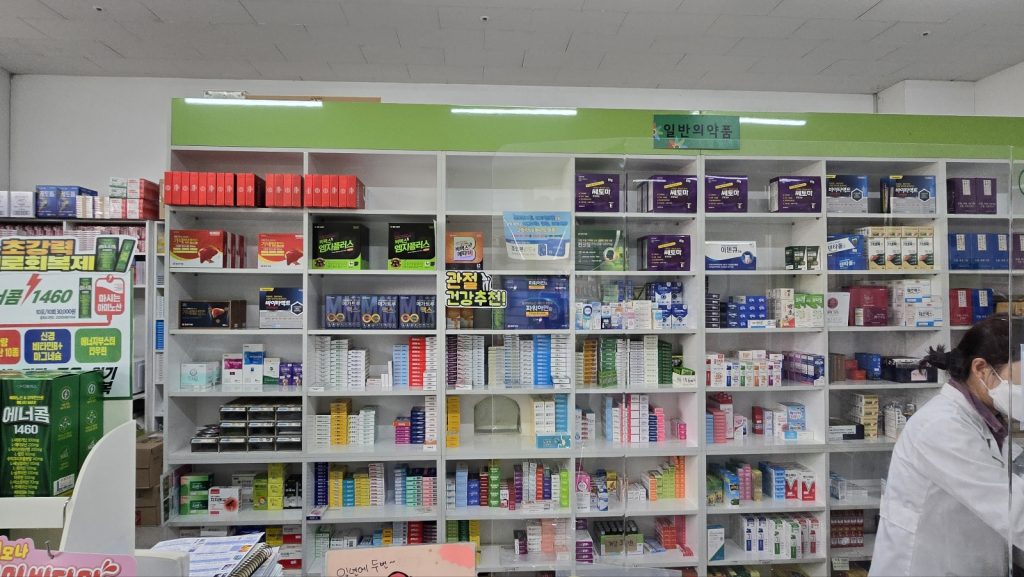
In Korea, prescriptions are usually filled at a separate pharmacy. After your clinic or hospital visit, you pay there first, receive the prescription, and then take it to a nearby pharmacy, often located in the same building or on the same street.
This is normal and efficient once you know the system. The pharmacist will prepare your medication and explain how to take it. For foreign visitors, one helpful habit is asking for an itemized receipt and any necessary medical paperwork before leaving the clinic or hospital, especially if you may file an insurance claim later.
Insurance: NHIS vs Travel or Private Plans
For foreigners in Korea, there are usually two broad insurance realities. The first is National Health Insurance Service (NHIS), which applies to many long-term residents and provides the same basic coverage framework used by Korean citizens. The second is travel insurance or private insurance, which often works on a pay-first, claim-later basis.
According to NHIS guidance, foreigners covered by National Health Insurance generally receive the same insurance benefits as Korean citizens. Seoul’s official living information for foreigners also notes that international residents who have lived in Korea for six months or longer may become local NHIS subscribers, depending on their status and eligibility.
For practical purposes, the most important difference is not simply where you can go, but how the visit is billed, how much you pay up front, and what documents you need afterward. That is why understanding your insurance status matters as much as understanding the medical system itself.

What to Bring to a Medical Visit
For the smoothest clinic or hospital visit in Korea, bring the basics: your passport if you are a tourist, your residence or registration card if you are a resident, your insurance information, a payment card, and a list or photo of any medications you are already taking.
ID matters more now than before. Since May 20, 2024, Seoul’s English-language public guidance has explained that patients receiving NHI-covered services must present identification for insurance coverage. That makes it wise to carry identification for any hospital or clinic visit where insurance may apply.
If you are enrolled in NHIS, Korea also supports a Mobile Health Insurance Certificate option, which can be helpful if you do not have the physical card with you. If you are going to a large hospital, arriving early is wise. If you are visiting a local clinic, mornings are often calmer than late evenings.

Claim Tips for Travel or Private Insurance
If you plan to file a travel or private insurance claim later, think of documentation as part of the treatment process. Before you leave, ask for an itemized receipt, proof of payment, and a diagnosis note or medical note if your insurer may require one.
It also helps to photograph every document on the same day and store the images by date. Many reimbursement problems happen not because the treatment was ineligible, but because key paperwork is incomplete, illegible, or missing altogether.
If your insurer requires pre-authorization for larger expenses or admission, contact them as soon as possible once the situation is stable. That step is especially important for hospital-based care, imaging, or procedures.

Dr. Beau’s Note
The easiest way to understand Korean healthcare is to stop expecting one giant hospital system to do everything first. Korea works efficiently because local clinics handle routine care well, larger hospitals step in when truly needed, and pharmacies complete the process quickly. Once you understand that rhythm, the whole system becomes much less intimidating.