
Korean Home Hydration Routine: The Art of Locking In Moisture Every Day
Korean hydration works on a simple physical model: draw water in with humectants, cushion it with light layers applied thin-to-thick, and seal it with an occlusive before it evaporates. The routine matters less than the order and the timing — everything goes onto slightly damp skin, and the sealing layer goes on before the water it is sealing has left. Dry skin lacks oil; dehydrated skin lacks water; most tight, dull, flaky skin at home is the second problem wearing the first one's name.
Why Daily Hydration Matters
Start with the distinction most routines are built without: dry and dehydrated are different problems. Dry skin is a type — it under-produces oil, and it has usually been that way for years. Dehydrated skin is a state — it lacks water in the outer layer, and any skin type can get there, including oily skin. The tells of dehydration are tightness after cleansing, fine lines that look deeper by evening, makeup clinging in patches, and a dull, papery look despite a normal routine.
The reason it matters practically: dehydrated skin misbehaves in every direction at once. It signals for more oil, so oily skin gets oilier. Its barrier lets irritants in more easily, so products that were fine begin to sting. And it processes actives poorly, which is why a retinoid on dehydrated skin causes the flaking people blame on the retinoid.
Korean skincare treats water as the base condition everything else depends on — which is why the routine below is built around getting water in and keeping it there, rather than around any single hero product.

Step-by-Step Korean Home Hydration Routine
- Cleanse without stripping — an oil cleanser first on sunscreen days, then a low-pH gel. Lukewarm water only. Hydration starts here, because a routine cannot out-moisturise a harsh cleanse.
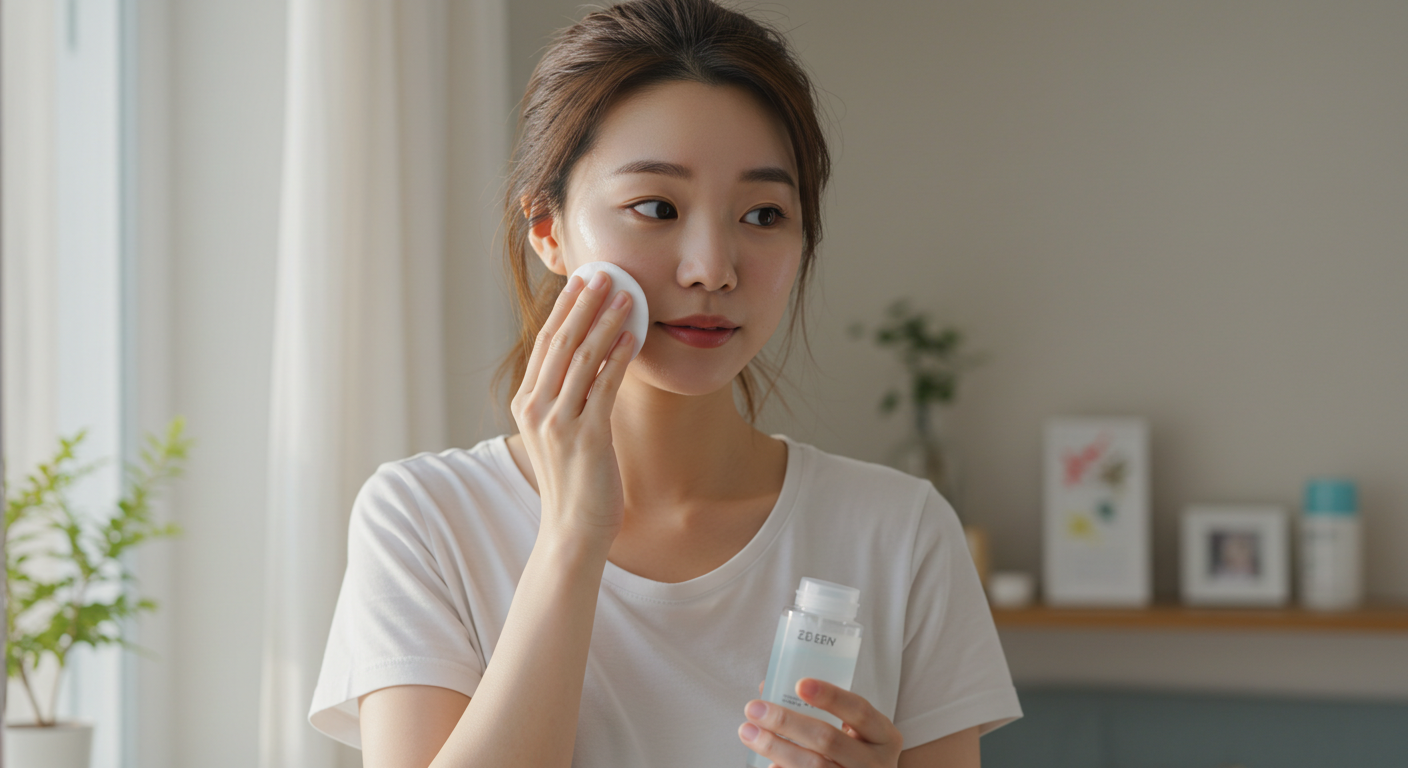
- Toner on damp skin, within a minute — a watery humectant toner (glycerin, betaine, hyaluronic acid) pressed in with palms rather than wiped on. The one-minute window matters: you are catching the cleanse's residual water before it evaporates.
- Essence or ampoule — the concentrated hydration layer: snail mucin, hyaluronic acid, beta-glucan or peptides, chosen by feel as much as function. For very dehydrated weeks, the Korean seven-skin method lives at this step — several thin passes of the same watery toner, each pressed in before the next, building a reservoir no single application can.
- Sheet mask, two or three evenings a week — fifteen to twenty minutes, never until dry (a drying mask pulls water back out), with the leftover essence pressed into neck and hands.
- Moisturiser — the cushion: a gel for oily and combination skin, a ceramide cream for dry. This layer holds the water the earlier steps delivered.
- Seal at night — a sleeping mask or a thin occlusive pass over the finished routine. Humectants without a seal can lose their water to dry indoor air; the final layer is what makes the rest of the routine keep its promises until morning.
The governing principle across all six: thin to thick, damp to sealed. Each layer applies to skin still slightly moist from the last, and the textures get richer as you go.

Best Ingredients for Long-Lasting Moisture
Hydrating ingredients do three different jobs, and a routine works when all three are represented:
- Humectants draw water in. Hyaluronic acid holds many times its weight in water and comes in molecular sizes that sit at different depths; glycerin is the unglamorous workhorse that outperforms its price everywhere it appears; beta-glucan hydrates while calming, which suits reactive skin.
- Barrier ingredients help skin hold what arrived. Ceramides are the mortar between skin cells and the core of every barrier-repair formula; panthenol supports repair and takes the edge off redness; centella asiatica soothes while the barrier does its rebuilding.
- Occlusives stop the exit. Squalane, shea and the richer creams' sealing agents slow evaporation — meaningless alone on dry skin, decisive as the top layer of a damp routine.
One matching note: a pure humectant serum in very dry air can pull moisture from skin rather than into it if nothing seals it — which is why the ingredient list matters less than making sure the routine ends with a lid.

Home Hydration Mistakes to Avoid
- Hot water — strips the lipids that hold water in. The single highest-impact fix on this list.
- Applying moisturiser to bone-dry skin — occlusives seal in whatever is present, including nothing. Damp skin first, always.
- Letting the routine stall between steps — wandering off after cleansing and returning five minutes later means every subsequent layer works on evaporated skin.
- Over-exfoliating — a thinned barrier leaks water faster than any serum can replace it. If skin is dehydrated, exfoliation goes down before hydration goes up.
- Treating oily skin as exempt — oil is not water, and dehydrated oily skin produces more oil in compensation. A gel moisturiser breaks the cycle.
- Ignoring the room — heated Korean winters and air-conditioned summers both dry indoor air dramatically. A humidifier by the bed does quiet overnight work that no product replaces, and drinking water helps the body without directly plumping the face — topical hydration and internal hydration are related but not interchangeable.

Dr. Beau's Note
Time your routine once, from the last splash of the rinse to the first layer landing. If it is over a minute, that gap is where your hydration is going — the water a cleanse leaves on skin is the cheapest moisture you will ever own, and most people towel it off, answer a message, and then apply humectants to a dry face. Keep the toner on the sink edge and apply it before the towel does anything more than a single pat. That one habit outperforms most product upgrades I could name.