
Korean Winter Street Food You Must Try in Seoul
Seoul's essential winter street foods are bungeoppang (fish-shaped pastries filled with red bean), hotteok (molten brown-sugar pancakes), eomuk fish-cake skewers with free hot broth, roasted chestnuts, and steaming sweet drinks — sold from tented carts that appear when temperatures drop and vanish in spring. The best hunting grounds are Myeongdong, Gwangjang Market, university districts and ordinary subway exits, and the whole experience costs pocket change. Here's what to order, where, and how to do it like a local.

Why Winter Street Food Matters in Korea
Winter street food occupies a place in Korean life that no restaurant can. These are foods engineered for the cold: eaten standing at a steamed-up cart, one glove off, the paper cup warming your hands while the snack warms everything else. The carts themselves — often plastic-tented stalls glowing orange against the dark — are as much a part of Seoul's winter landscape as the bare gingko trees, and for Koreans the first bungeoppang of the season is an event, announced in group chats like the first snow.
The seasonality is the point. Most of these snacks genuinely disappear in spring — vendors switch products or pack up entirely — so winter street food carries the anticipation of something you can't have year-round. There are apps and social media accounts dedicated solely to mapping which alleys have a bungeoppang cart this year, a small national obsession that tells you everything about how loved this tradition is. For a visitor, it's also the cheapest full immersion in the city's daily life: a few thousand won, no reservation, no translation needed beyond pointing.

Must-Try Korean Winter Street Foods
1) Bungeoppang (???) — Fish-Shaped Pastry
The icon. A crisp, waffle-like batter pressed in fish-shaped molds around a core of sweet red bean paste — or, increasingly, custard, chocolate or sweet potato. Eaten seconds off the iron, the contrast of crackling shell and scalding filling is the definitive winter street food experience. Koreans even sort themselves by whether they eat it head-first or tail-first; there is no wrong answer, only allegiance.

2) Hotteok (??) — Sweet Korean Pancake
A yeasted dough pancake griddled in oil until golden, hiding a molten filling of brown sugar, cinnamon and crushed nuts. The interior syrup reaches lava temperatures — vendors hand it over in a paper cup for a reason — and the first cautious bite on a freezing day is one of Korea's great small pleasures. Savory versions stuffed with japchae noodles exist for the sugar-averse.

3) Eomuk (??) — Korean Fish Cake Skewers
Sheets of fish cake folded onto skewers and simmered in a light kelp-and-radish broth. The ritual matters as much as the snack: you stand at the cart, eat directly from the skewer, ladle yourself free paper cups of the steaming broth, and settle up by telling the vendor how many sticks you had. That self-served hot broth on a subzero evening may be the single most comforting free thing in Seoul.

4) Gunbam (??) — Roasted Chestnuts
Chestnuts roasted over coals in blackened steel drums until their shells split, sold by the paper bagful. Smoky, subtly sweet, and warm enough to double as hand warmers in your coat pocket — which is exactly how Koreans have used them for generations. The aroma carries half a block and is, for many Seoulites, the smell of winter itself. Look for its cousin gungoguma, whole roasted sweet potatoes, from the same style of cart.

5) Dalgona & Hot Drinks
The sugar-candy dalgona — caramelized over a flame and pressed with a shape, made world-famous by a certain survival drama — remains a working street snack, and winter carts round out the lineup with hot sikhye rice punch, sujeonggwa cinnamon-persimmon punch, corn tea and cocoa. Convenience stores join the ecosystem too: their hot-drink cabinets and steamed-bun warmers are a legitimate, fully Korean part of the winter routine.

Where to Find Winter Street Food in Seoul
Carts move with the season and the sidewalk rules, but these hunting grounds are reliable every winter:
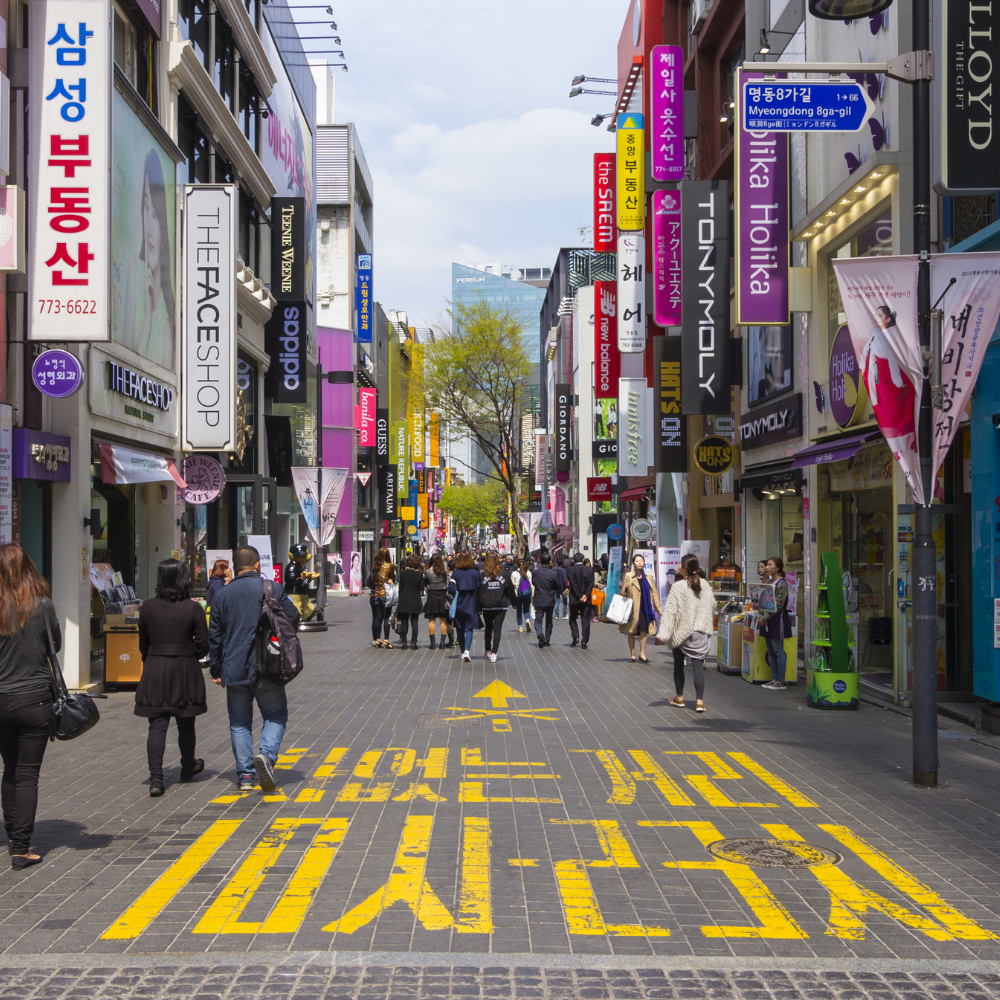
- Myeongdong — the tourist-friendly maximum: the widest variety in the smallest area, English-friendly vendors, and the trend-driven newcomers (think grilled cheese lobster next to classic hotteok). Prices run higher than local carts; the convenience is what you're paying for.
- Gwangjang Market — the traditional register: covered arcades, decades-old stalls, and winter classics eaten shoulder-to-shoulder with locals who've been coming since childhood.
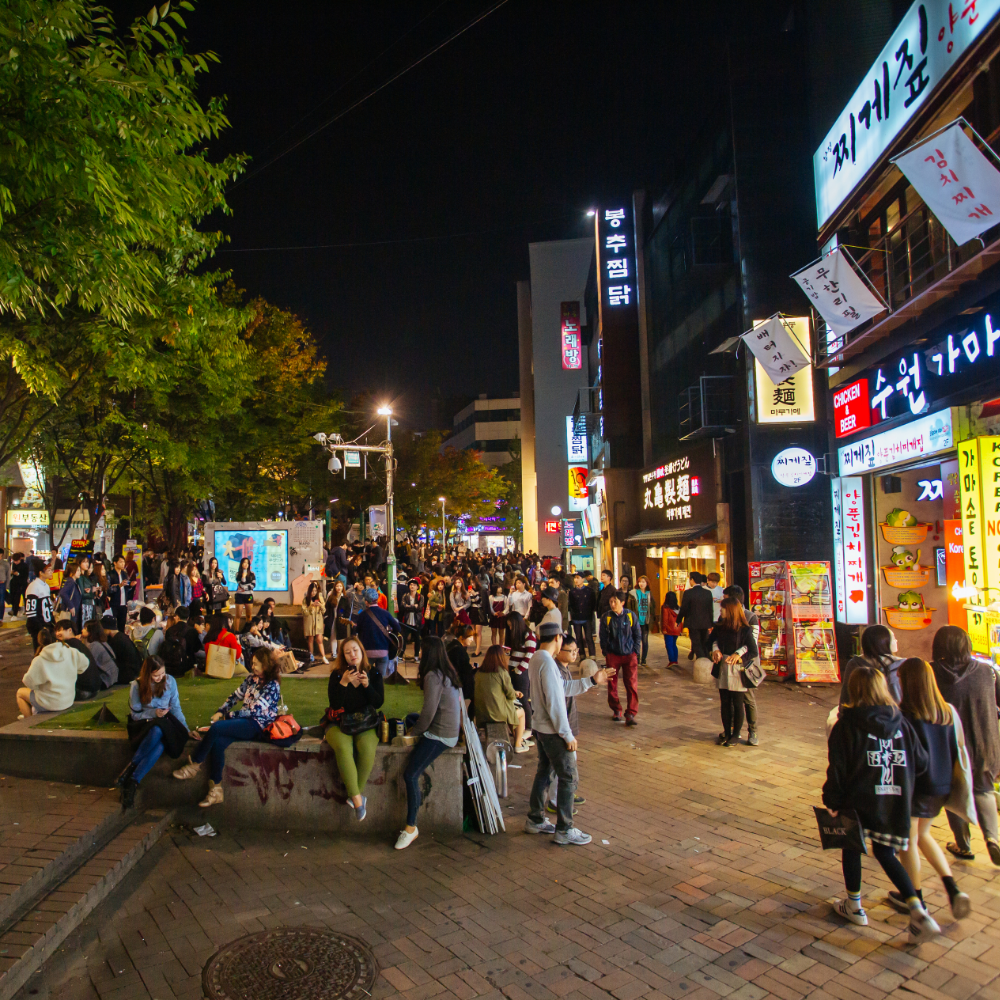
- University districts (Hongdae, Sinchon, Konkuk) — cheap, generous portions, open late, and the liveliest crowds after dark, when street food becomes the between-venues meal.
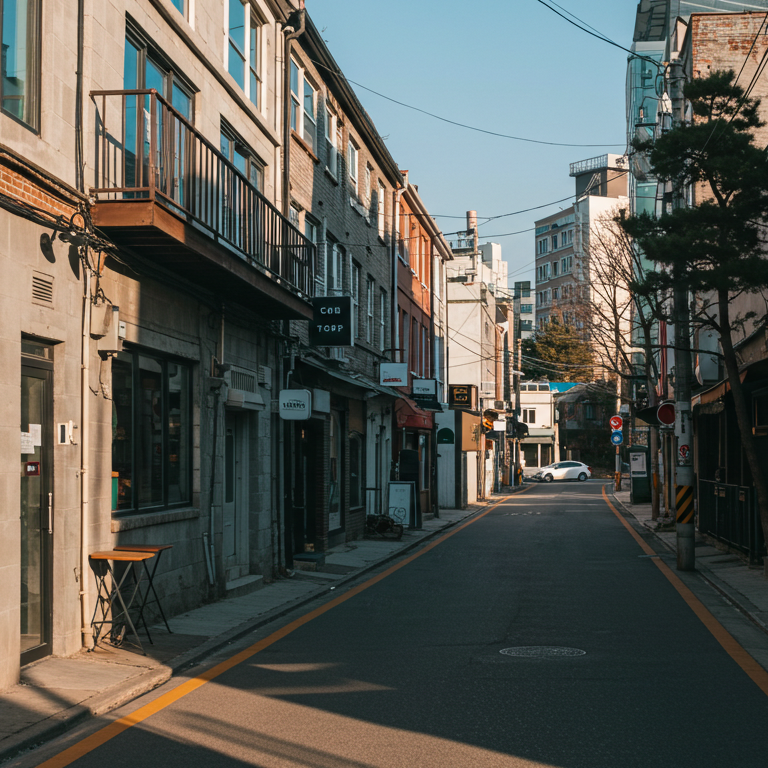
- Ordinary subway exits — the most authentic tier: the unglamorous solo cart at exit 3 of a residential station, serving commuters. If you find a bungeoppang cart with an office-worker queue at 6pm, you've found the good one.
How to Eat Like a Local: Tips & Etiquette
The unwritten rules are simple and worth knowing. Carry small cash — many carts now take cards or mobile pay, but a few thousand-won notes keep every option open and speed up the line. Eat at or near the cart rather than wandering off with skewers; standing together in the steam is half the culture, and vendors track eomuk sticks on the honor system. Toss skewers and cups in the cart's own bin, since Seoul streets have famously few public trash cans.
Timing: carts multiply in late afternoon and peak after sunset, when the cold makes them irresistible — roughly November through February, with the deepest weeks of winter offering the fullest lineup. And pace yourself across the list rather than filling up at the first cart: the ideal winter evening in Seoul is a slow drift from bungeoppang to eomuk broth to a bag of chestnuts, eaten across a dozen freezing, happy blocks.
Dr. Beau's Note
My advice runs against every itinerary app: don't plan this. Winter street food is the one Seoul experience that rewards zero research — the carts aren't on maps, the best one is simply the nearest one with steam rising and a short local queue. Save the optimization energy for your restaurant nights, and let one cold evening be navigated entirely by smell. The unplanned bungeoppang, discovered with numb fingers outside an anonymous subway exit, will outrank half the famous meals of your trip. Warmth found by accident tastes better; every Seoul winter proves it.