
K-pop in Seoul: A Travel Guide for Global Fans
The honest first thing to know about K-pop tourism in Seoul is that the landscape changes fast: several famous fan destinations of recent years, including the HYBE Insight museum and the old SMTOWN complex, have closed, and any blog listing specific idol cafes is partly out of date by the time you read it. What endures is better anywhere: free public K-pop spaces run by the tourism board, the agency districts themselves, music show tapings you can genuinely attend, beginner-friendly dance classes, Hongdae's street stages, and the photocard economy. Build the trip on those.

The Reliable Anchors
Start with the places that will still exist when you land, because K-pop tourism has a churn problem: agency museums, idol cafes and themed stores open and close with the industry's moods, and a great deal of online advice describes venues that are already gone.
HiKR Ground is the safest single stop in the city: a multi-floor K-culture playground run by the Korea Tourism Organization near Jonggak, free to enter, with music video sets to shoot yourself in, media art floors and rotating K-pop exhibitions. Because it is government-run, it does not vanish the way commercial fan spaces do — and because it is free, it absorbs a jet-lagged first afternoon perfectly.
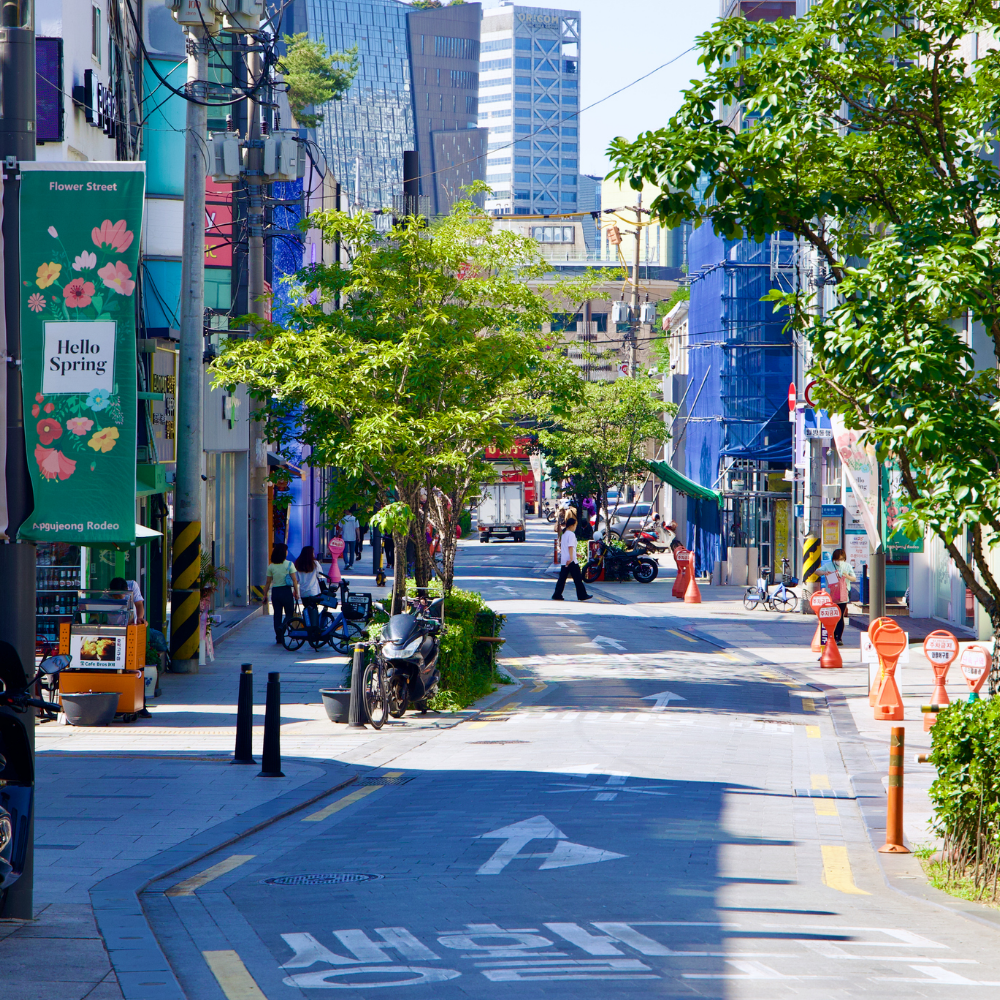
K-Star Road in Apgujeong is the open-air version: the walking route from Apgujeong Rodeo toward Cheongdam lined with bear sculptures for major groups, running directly past entertainment company buildings. It costs nothing, takes an hour, and doubles as a tour of the neighbourhood where a large share of the industry actually works.
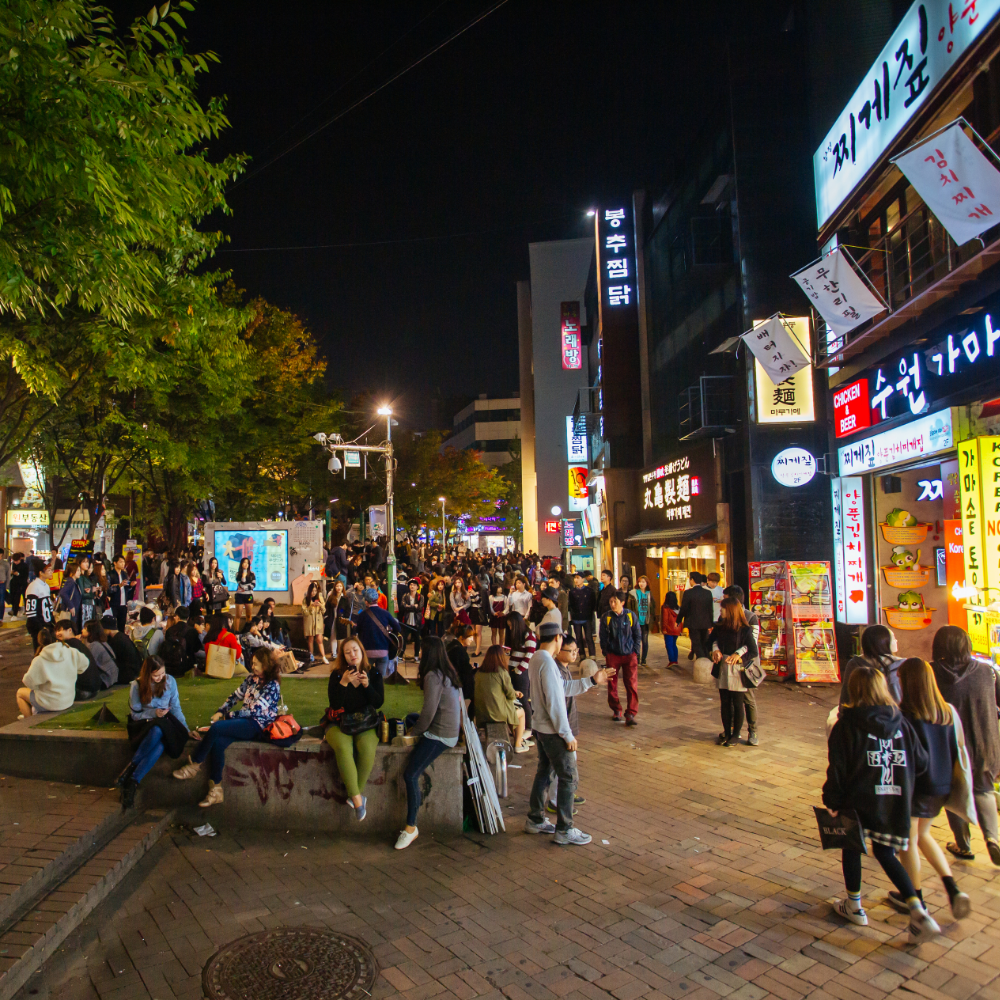
Hongdae's street stages are the third anchor. Busking on the pedestrian streets near Hongik University is a decades-old pipeline into the industry, and on any weekend evening you can watch dance crews covering the current charts to a crowd of hundreds. It is unticketed, unscheduled and consistently the most electric free K-pop experience in Seoul.

Dance Classes: Doing, Not Just Watching
The single most recommended K-pop experience among travellers is not seeing an idol — it is learning eight counts of choreography in a mirrored studio, and there is a whole tier of Seoul's dance industry built to teach exactly that to visitors.
Tourist-friendly classes cluster in Hongdae and Gangnam, run sixty to ninety minutes, and teach a condensed section of a current hit's choreography to a mixed room of absolute beginners and secret rehearsers. Several long-running studios operate English-language sessions daily, and classes are bookable through the major travel-activity platforms, which is also the easiest way to compare current offerings without gambling on an outdated blog list. Expect to pay roughly the price of a nice dinner, and expect the option of a filmed run-through at the end — the souvenir video is half the point.
Three practical notes. Book a day or two ahead rather than walking in, since sessions cap their numbers. Wear trainers and clothes you can move in; studios are casual but the choreography is real. And if you are travelling with mixed company — one dancer, one sceptic — send the sceptic anyway. The format is engineered for people who swore they were only watching, and studio staff have seen every level of ability including none.
For the fully committed, some studios run multi-day intensives, and a few offer the K-pop trainee experience — vocal coaching, choreography and a recorded performance — compressed into a day.

Music Shows and the Agency Districts
Attending a music show taping is the peak K-pop experience genuinely available to a visitor, and it requires understanding the system. The weekly shows — Music Bank, Inkigayo, M Countdown, Show! Music Core and their siblings — film with live audiences, and access runs through fan-club priority and application lotteries, with some allocation reachable by foreigners through official channels and reputable tour operators who bundle entry. The honest caveats: nothing is guaranteed, standby queues can mean hours of waiting, and recording etiquette is strict. If seeing live stages matters more than seeing a specific group, a taping is realistic; if you need one particular artist on one particular date, treat any promise sceptically.
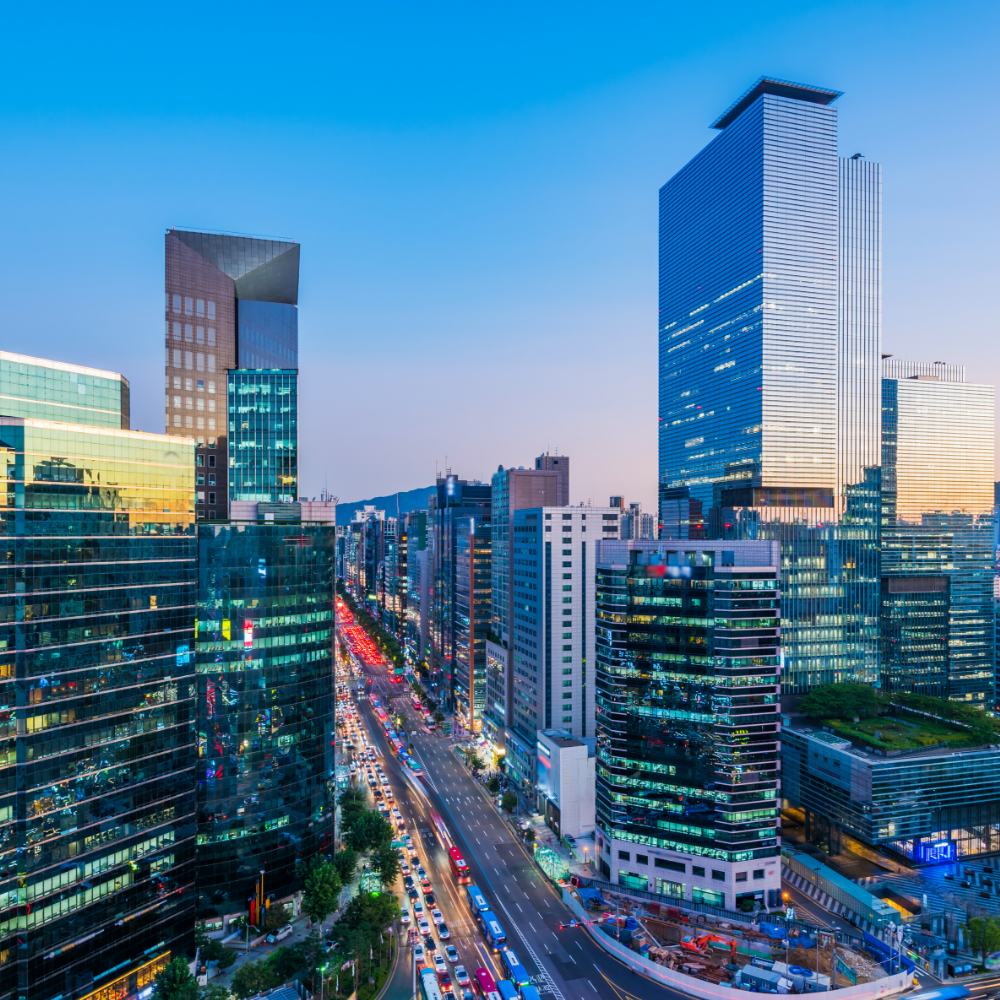
The agency buildings themselves are exteriors, not attractions — and that is worth saying plainly because online lists still recommend museums that no longer exist. HYBE's Yongsan tower, the SM complex in Seongsu, JYP's building and the YG campus in Hapjeong can all be seen from the street, and fans do make the pilgrimage, but none should be planned as an interior visit; dedicated exhibition spaces in this industry open and close within a year or two. Check what is currently operating just before your trip rather than months ahead.
Fan events follow the comeback calendar, not the tourist calendar. If your trip happens to overlap with a comeback week, keep an eye on the pop-up landscape — Seongsu-dong hosts a rolling programme of album launch pop-ups — and on cup-sleeve events at cafes near agency districts, organised by fans for idol birthdays. These are announced on fan social media days in advance, which is exactly where to look.

Photocards, Albums and Fan Cafes
The merch economy is the part of K-pop tourism that reliably delivers, because it does not depend on luck or lotteries.
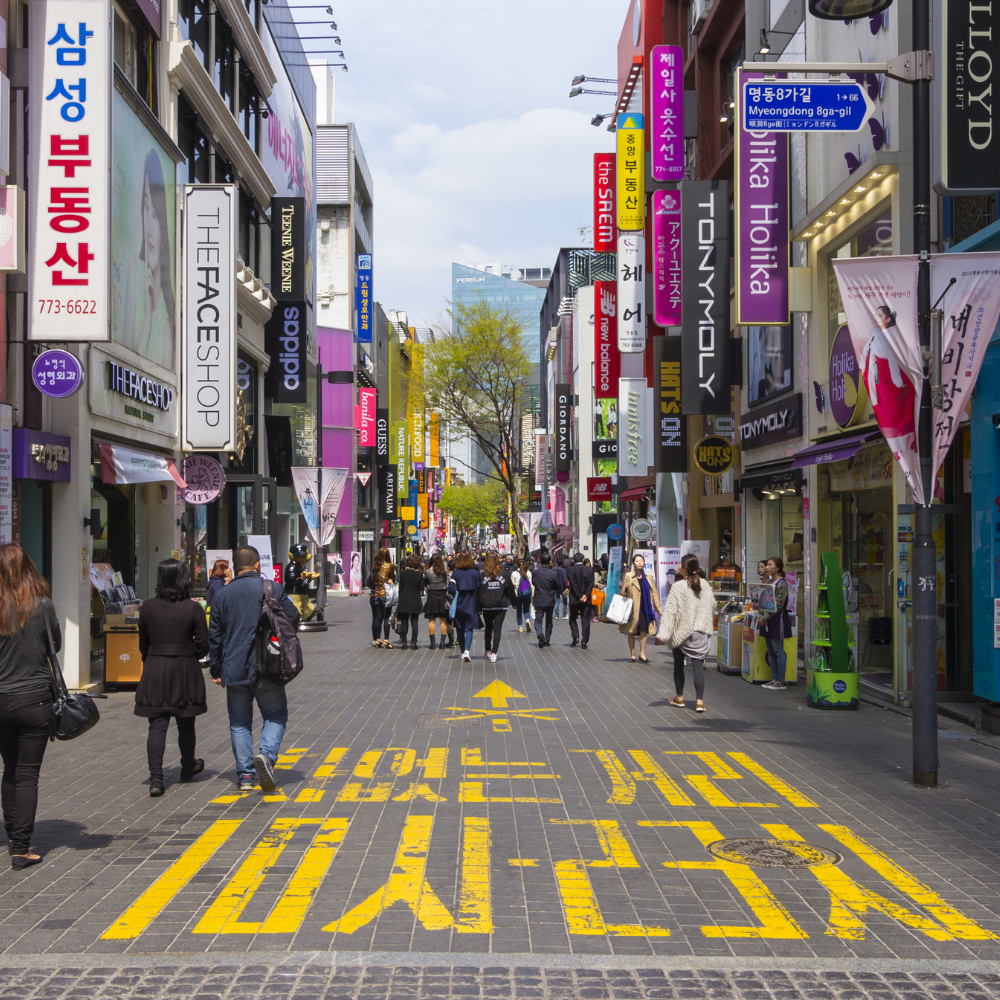
For albums and official goods: the music floors of the big bookstore chains stock deep K-pop sections with in-store benefit photocards; dedicated K-pop merch stores cluster in Myeongdong — the underground shopping centre remains a classic hunting ground — and around Hongdae. Album prices in Korea often undercut what fans pay abroad even before the exclusive inclusions.
For photocard culture specifically: Seoul has an entire secondary ecosystem — trading stores where cards are sorted by group and member, secondhand dealers around university districts, and photocard-friendly cafes where collectors trade over coffee. Prices for rare cards are genuine market prices; browsing is free and half the fun. If you collect, bring your trade stock from home.
For the full fan-tourist kit: official lightsticks are the airport-security conversation piece of choice, and the four-cut photo booths on every commercial street stock K-pop frame designs, which is the cheapest personalised souvenir in the city. Duty-free floors carry official merchandise for major groups if the departure lounge is your last chance.
One caution that saves disappointment: for signed or rare items sold secondhand, authenticity is your problem, not the platform's. Buy graded or documented items from established dealers, and treat too-good prices on signed albums the way you would anywhere.

Dr. Beau's Note
Verify every venue within a week of flying, not when you build the itinerary. K-pop tourism has the fastest rot rate of any travel category I know — museums close, cafes rebrand, pop-ups end — and the saddest fans in Seoul are the ones standing outside a building their two-year-old blog post promised was a museum. Thirty seconds on Naver Map per venue, the week you fly, is the whole discipline. The public anchors — HiKR Ground, K-Star Road, Hongdae's stages — are the exception, which is exactly why this guide is built on them.