
Pharmacy in Korea: A Traveler's Guide to the Yakguk Counter
A pharmacy in Korea is called a yakguk (약국), and it is where travelers buy over-the-counter medicine and get advice from a licensed pharmacist, usually without an appointment or a prescription. Look for the single character 약 on the sign, expect most to close in the evening and on Sundays, and use the holiday duty-pharmacy system or a 24-hour convenience store when they do.

Finding a Pharmacy in Korea: Signs, Maps and Hours
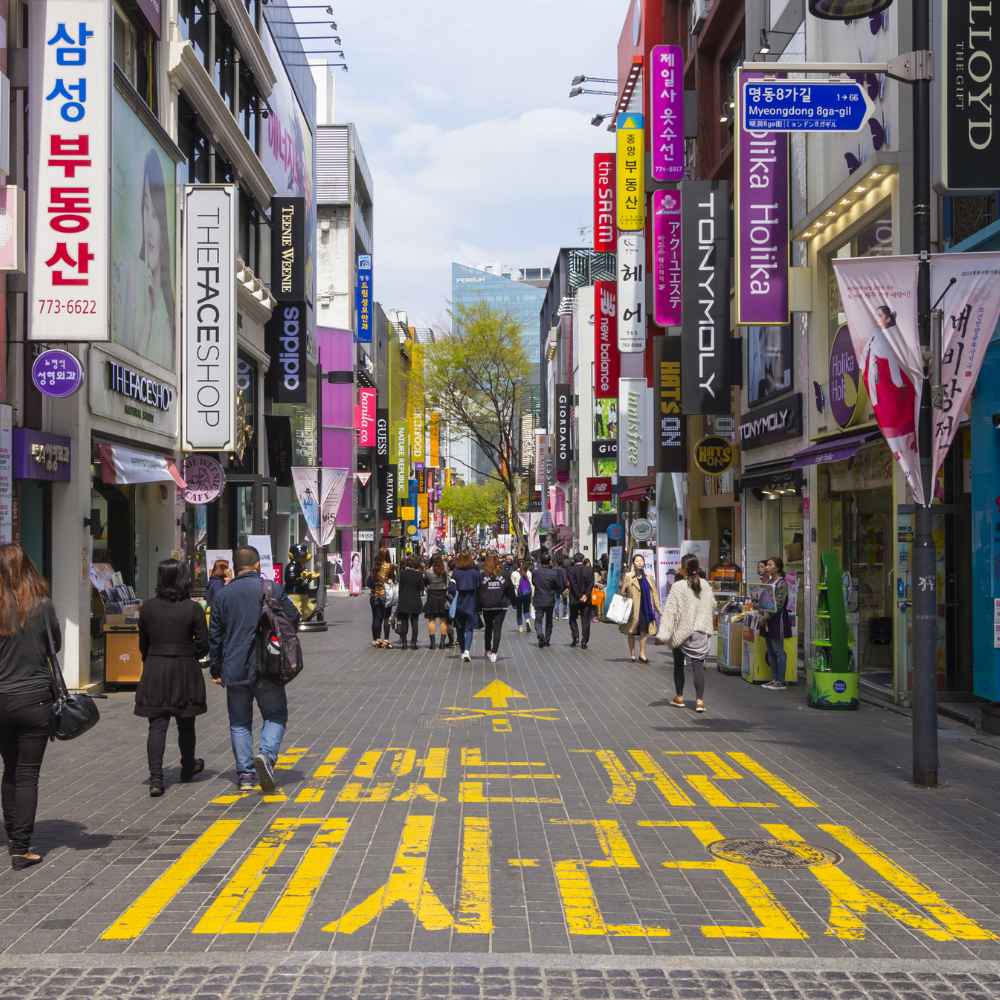
You will rarely walk far in a Korean city without passing a pharmacy. They cluster wherever doctors do: on the ground floor of medical buildings, across the street from hospitals, beside subway exits and along the shopping streets of neighborhoods like Myeongdong. The sign is easy to learn. Most carry the single Hangul character 약 (yak, "medicine"), often in a bold box or circle, alongside the full word 약국. Once you know that one character, you will start seeing it everywhere.
For anything beyond the next corner, open a map app. Typing 약국 into Naver Map or KakaoMap shows nearby pharmacies with opening hours, phone numbers and, often, recent photos of the storefront. Searching in Korean gives far better results than searching "pharmacy" in English, so it is worth copying the word into your notes before you land.
Hours vary by pharmacy, but a neighborhood yakguk typically opens around 9 a.m. and closes somewhere between 7 and 9 p.m. on weekdays, with shorter hours on Saturday. Many close on Sundays and public holidays. Pharmacies next to clinics tend to follow the clinic's schedule, so the one that is busy at lunchtime may be shuttered by early evening. Those in tourist districts and large transit hubs usually stay open later. If you are traveling on a Sunday, check the hours on the map listing before you set off rather than trusting the sign on the door.

Late Nights, Sundays and Holidays
Korea has a rota system for the hours when most pharmacies are closed. Holiday duty pharmacies, known as 휴일지킴이약국 (hyuil jikimi yakguk), are listed on the Korean Pharmaceutical Association's site, pharm114.or.kr, which is run together with the Ministry of Health and Welfare. You choose a date, a time and a region, and it returns the pharmacies open in that window. The site is in Korean, but a browser's built-in translation handles it well enough, and the same search term works in Naver Map.
Many cities also designate public late-night pharmacies (공공심야약국). In Seoul, the standard late shift for these runs from 10 p.m. to 1 a.m., and the city lists them by district. Hours differ from city to city, so treat any single schedule as a starting point and confirm on the day.
If you are stuck, call 1330, the Korea Travel Hotline run by the Korea Tourism Organization. It answers around the clock in English and several other languages, can help you find a pharmacy that is open now, and can interpret over the phone while you stand at the counter. For anything that feels like an emergency, such as trouble breathing, chest pain or a serious injury, skip the pharmacy and call 119. Our guide to getting medical care in Korea as a foreigner covers clinics, emergency rooms and travel insurance in more detail.

Pharmacy or Convenience Store?
Korean convenience stores are a fixture of every block, and many travelers know them first for late-night snacks. A Korean convenience store open around the clock can also sell a short, government-designated list of household medicines, known as safety over-the-counter medicines (안전상비의약품). The list covers four basic groups: fever and pain relievers, cold remedies, digestive aids and medicated patches. It is deliberately narrow, and the government has been reviewing it this year, so the exact selection on the shelf may change.
The rules around those shelves are strict. Stores sell one pack per purchase, roughly a day's worth, and staff are not allowed to sell these medicines to children under 12. There is no pharmacist on hand, so no one at the till can advise you on what to take or whether it mixes with something you already use.
A pharmacy is a different kind of stop. The range of over-the-counter medicine is much wider, and the person behind the counter is a licensed pharmacist who will ask questions before handing anything over. Pharmacies also fill prescriptions. Since 2000, Korea has separated prescribing from dispensing, which is why you will see a pharmacy directly beside almost every clinic: the doctor writes the prescription, and the pharmacy next door fills it. A prescription written in another country generally cannot be filled here, so if you need a prescription medicine, plan on seeing a local doctor first. A simple rule of thumb: the convenience store is a stopgap for the middle of the night, and the pharmacy is where you get advice.

How to Describe Your Symptoms at the Counter
Pharmacists in central Seoul and other tourist areas often speak some English, and many are used to working through a translation app on a phone or tablet. Away from those areas, a few Korean phrases go a long way. You do not need full sentences. The pattern "body part + 가/이 + 아파요 (apayo)" covers a lot of ground.
- 머리가 아파요 (meori-ga apayo): I have a headache.
- 목이 아파요 (mok-i apayo): I have a sore throat.
- 배가 아파요 (bae-ga apayo): I have a stomachache.
- 열이 나요 (yeol-i nayo): I have a fever.
- 기침이 나요 (gichim-i nayo): I have a cough.
- 알레르기가 있어요 (allereugi-ga isseoyo): I have an allergy.
- 임신 중이에요 (imsin jung-ieyo): I am pregnant.
- 지금 먹는 약이 있어요 (jigeum meongneun yak-i isseoyo): I am taking other medicine.
- 하루에 몇 번 먹어요? (haru-e myeot beon meogeoyo?): How many times a day?
Before you travel, write down the generic or active-ingredient names of anything you take regularly. Brand names differ between countries, but ingredient names travel well, and a pharmacist can work from them. A photo of the packaging from home helps too. Expect to be asked how long you have had symptoms, your age, and whether you have allergies or are pregnant. Answer plainly and let the pharmacist lead. If what you describe sounds like it needs a doctor, a good pharmacist will tell you so and point you to a nearby clinic. For more ready-made lines for shops, restaurants and clinics, see our list of essential Korean phrases for travelers.
Payment is simple. Pharmacies take international cards almost everywhere, and you can ask for a receipt (영수증, yeongsujeung) if you plan to claim on travel insurance.

Beyond Medicine: What Else Is on the Shelf
Walk into a larger pharmacy in Myeongdong or Gangnam and the shelves reach well past medicine. Near the counter you will usually find small brown bottles of vitamin and energy tonics that office workers drink standing up, hangover drinks for the morning after a long dinner, digestive tonics, cooling gel patches, plasters, disposable masks and travel-size essentials. Many of these are the everyday things Koreans pick up on the way home, which makes a pharmacy stop a small window into daily life as much as a practical errand.
Larger pharmacies also carry a skincare shelf of plain creams, sunscreens and spot patches, and this year it has become a regular stop on visitors' shopping routes, with some Myeongdong pharmacies adding signs in Chinese and Japanese to keep up. What those products are and how to read their labels is a beauty question rather than a travel one, and our Korean pharmacy skincare guide covers it shelf by shelf.
Two practical points. Over-the-counter prices are set by each pharmacy rather than fixed nationally, so if you are buying several items, it is worth comparing a couple of pharmacies before you commit. And keep medicines in their original boxes until you are home: the box carries the ingredient names, which is what a doctor or pharmacist elsewhere will need.

Haru's Note
A yakguk late in the evening, fluorescent and quiet, one person in a white coat behind a counter that is half shop, half desk. The most useful thing there is not on the shelves. It is the two minutes with that person. Walk in with a written list of what you already take, supplements included, rather than a screenshot from social media. A good pharmacist will often talk you out of buying three things and into using one properly.
If a pharmacy fills a prescription for you on this trip, keep the paper bag it comes in; it usually lists the medicine names and when to take them, which is the easiest thing to show a doctor later. This guide is general information, so follow your own doctor's and pharmacist's advice.