
Quiet Cultural Escapes in Korea: 4 Places Beyond Seoul
Discover quiet cultural escapes in Korea, from Ihwa Mural Village and Andong Hahoe Village to Huinnyeoul Culture Village and Sogeumgang Valley for slower, more meaningful travel.

Ihwa Mural Village in Seoul
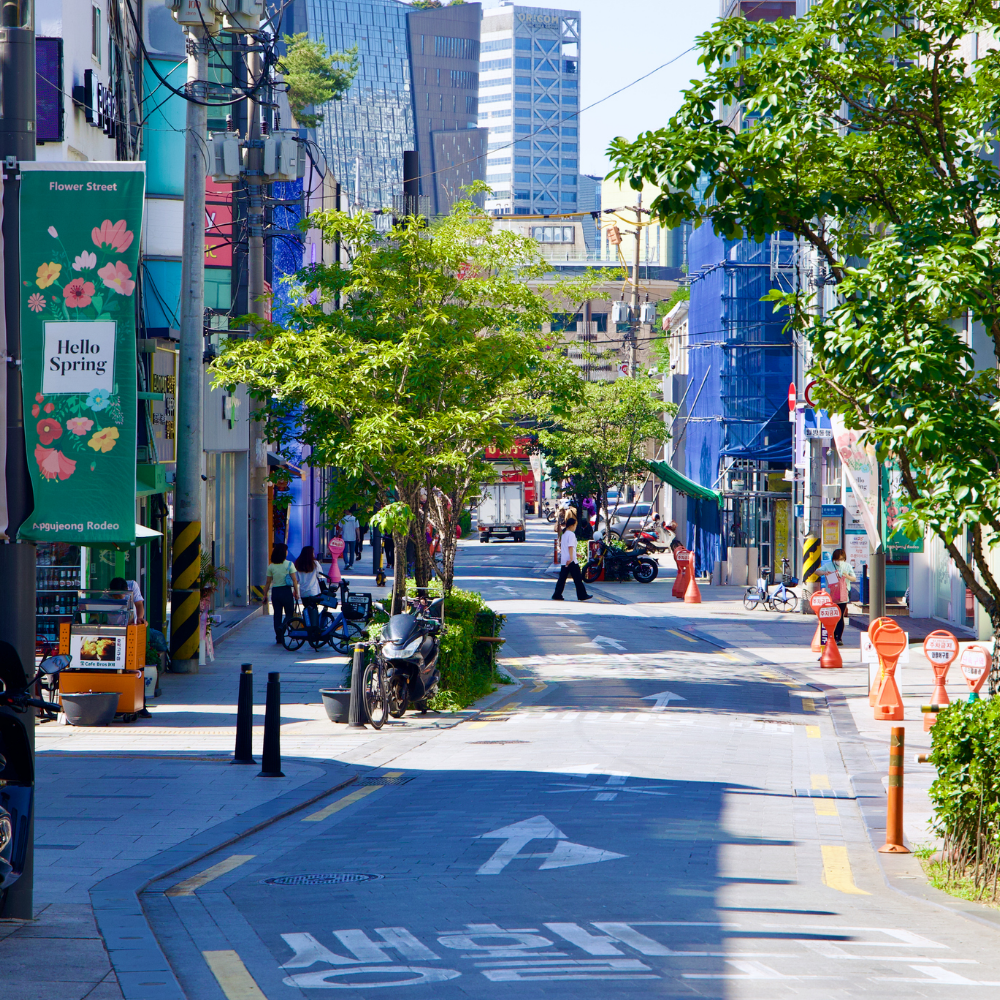
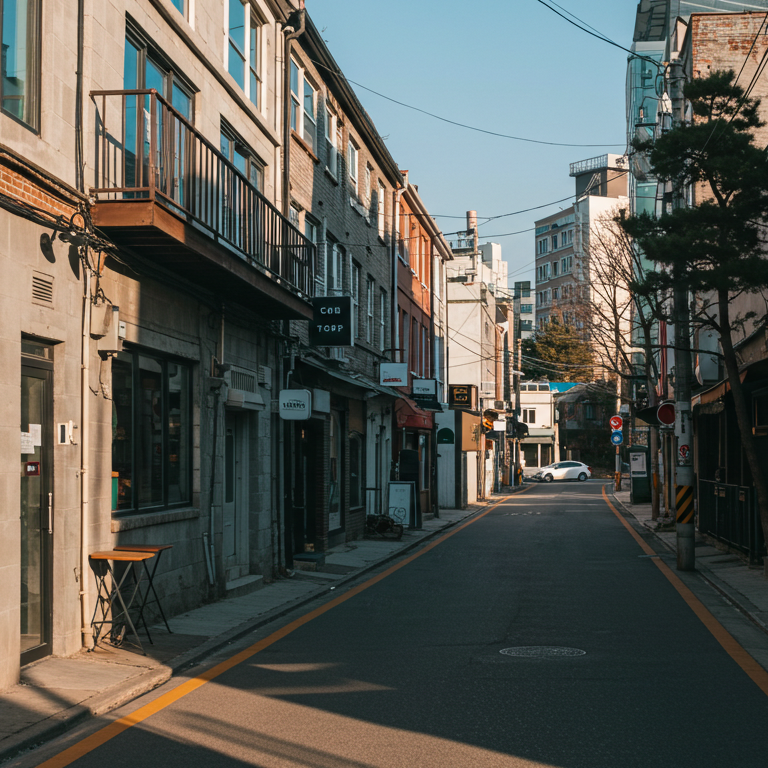
Ihwa Mural Village offers a different side of Seoul from the usual shopping-heavy itinerary. Set near Naksan Park, its narrow alleys, painted stairs, and scattered cafés make it one of the easiest places in the city to shift into a slower walking rhythm. It still feels urban, but the mood is noticeably softer than more commercial districts.
What makes Ihwa useful in a culture-focused itinerary is the mix of public art, hillside views, and neighborhood texture. It works best when approached as a wandering stop rather than a checklist stop. Instead of rushing through for photos only, it is worth pairing with a quieter walk near the city wall or a slow café break nearby.

Andong Hahoe Village for Traditional Korea
Andong Hahoe Village is one of the strongest choices for travelers who want a deeper historical atmosphere outside Seoul. As a UNESCO-listed traditional clan village, it offers hanok architecture, river scenery, and a built environment that still reflects older Korean cultural patterns. This makes it more than a sightseeing stop. It feels like entering a place where structure, landscape, and daily life were once planned together.
The experience is especially rewarding for travelers interested in traditional Korean culture beyond palace visits. Walking the village, nearby viewpoints, and related mask culture sites can make this a more immersive stop than a standard half-day detour. It is one of the clearest places to feel how regional heritage differs from capital-city tourism.

Huinnyeoul Culture Village in Busan
Huinnyeoul Culture Village gives Busan a more reflective tone than its better-known beach districts. Built along Yeongdo's cliffside edge, it combines sea views, alleys, murals, and small cafés in a way that feels both local and cinematic. It is visually memorable, but its real value is pacing. This is the kind of place where slowing down improves the experience.
For travelers trying to balance city energy with quieter cultural stops, Huinnyeoul works especially well in the late afternoon. The walk itself becomes part of the appeal. The sea opens up beside you, the neighborhood texture changes block by block, and the place feels lived-in rather than staged for tourism alone.

Sogeumgang Valley in Gangwon
Sogeumgang Valley is the most nature-driven stop in this guide, but it still fits the cultural escape theme because of how strongly it changes pace. Located on the east side of Odaesan, the valley is known for rock formations, waterfalls, and forested walking routes that feel cooler and more spacious than city travel. It works especially well for travelers who want a restorative contrast after dense urban sightseeing.
This is not a polished lifestyle stop like a mural village or café area. It is more elemental. That is exactly why it matters. For some travelers, the most meaningful cultural reset in Korea is not another urban neighborhood, but a landscape that creates quiet through water, stone, and time on foot.

Dr. Beau's Note
Korea travel becomes much richer when the goal is not just to cover landmarks, but to find places that change your pace. That is what connects these four destinations. Each one offers a quieter version of Korean place-making, whether through public art, heritage architecture, coastal texture, or mountain landscape.
For BEAUTIPIN readers, this kind of guide also supports a different kind of travel planning. It is less about maximizing movement and more about choosing experiences that feel restorative, atmospheric, and memorable in a deeper way.