
The Seoul Bakery Run: Where to Queue for Bread, Neighborhood by Neighborhood
A good Seoul bakery run covers three neighborhoods: Anguk and Jongno for hanok bakeries such as Onion Anguk and Fritz Wonseo, Seongsu for Onion's stripped-back flagship and the salt-bread shops, and Jangchung-dong for Taegeukdang, a Seoul bakery since 1946. Go early on a weekday, carry a tote, pay by card and plan around sell-outs rather than the queue itself.

Anguk and Jongno: Hanok Bakeries and a Market Branch
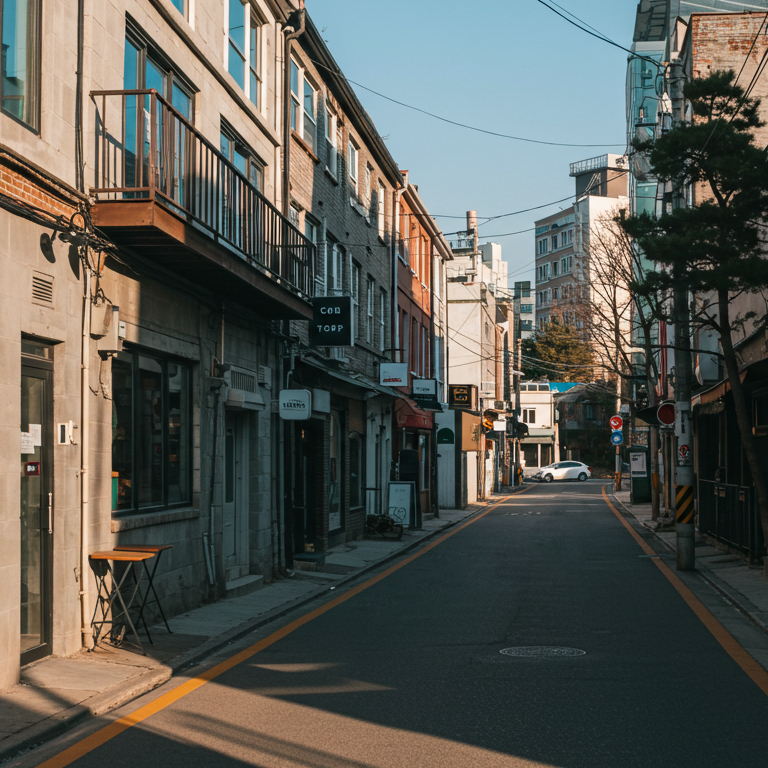
It is a little after seven on a weekday morning on Gyedong-gil. The souvenir shops still have their shutters half down, a delivery scooter idles at the corner, and the smell of butter is already drifting over a tiled roof. Onion Anguk opens at 7am on weekdays, and the early hour is the whole point: you get the hanok courtyard, the warm pastry counter and a seat on the wooden floor before the day-trippers arrive. Korean food lovers have a word for this kind of morning, ppangji sullye, the "bread pilgrimage," and Anguk is where most first-timers begin it.
Onion Anguk sits in a restored hanok about three minutes from Anguk Station exit 3, at 5 Gyedong-gil. You take a tray and tongs, choose from the pastry counter, then order drinks at the till. The loaf people come for is the pandoro, a tall star-shaped bread buried under a snowdrift of powdered sugar; it is meant for sharing, so tear it at the table rather than trying to eat it like a croissant. On weekends and public holidays the doors open at 9am, and the courtyard fills fast.
Ten minutes' walk east, on Yulgok-ro near Changdeokgung Palace, Fritz Wonseo is the calmer counterpart. Fritz is a Seoul coffee company known for its seal mascot and retro Korean graphics, and its branches bake breads and pastries to go with the coffee. Wonseo is housed in a hanok with wide glass windows, which makes it a good place to sit with a pastry after the courtyard rush. If you want to stretch the morning into a walk, the lanes of Bukchon Hanok Village begin just north of both.
Onion has a third address in this part of town that surprises most visitors: a branch inside Gwangjang Market, at 215 Cheonggyecheon-ro, about a minute from Jongno 5-ga Station exit 7. It runs from 11am to 7pm every day, so it works as the afternoon stop. Pair a pastry with a lap of the market's food alleys, where mung bean pancakes sizzle on the griddles, and you have one of the best sweet-and-savory loops in the city.

Seongsu: Concrete Rooms and Salt Bread
Seongsu is where Seoul's bakery boom feels most like a scene. The neighborhood's old workshops and warehouses have filled with cafes, pop-ups and design stores, and bread has become one of its main draws. In April, when the Korea International Bakery Fair opened at COEX, Korean press coverage described young visitors lining up at the booths and one bakery selling out about two hours before closing, while a pop-up in Seongsu brought bakeries from Daejeon to the neighborhood. In August, the travel platform Agoda named the bread pilgrimage one of Korea's domestic travel trends.
Onion Seongsu, at 8 Achasan-ro 9-gil, is about five minutes on foot from Seongsu Station exit 2 on Line 2. It is the brand's original space and the one that made it famous: raw concrete, peeling plaster, bare bulbs and a long communal table facing a small green courtyard. The bakery counter works the same way as in Anguk, tray first, drinks second. It opens at 8am on weekdays and 10am on weekends and holidays, and closes at 10pm, so it is also one of the few places on a bread run that works after dinner.
The other thing Seongsu is known for is salt bread, sogeum-ppang: a soft, buttery roll baked with a pat of butter rolled inside and a few flakes of coarse salt on top. Specialist salt-bread shops around Seongsu draw morning lines of their own, and variations now run from plain butter to cheese, chocolate and seasonal fillings. The plain one is the test, so start there. Seongsu changes quickly, with pop-ups opening and closing month to month, so check a bakery's official social media for the day's hours before you cross the city for it. For the wider neighborhood, including where the pop-ups cluster, see our walking guide to Seongsu-dong.

Jangchung-dong and the Food Halls: The Old-School Stop
After the hanok courtyards and concrete rooms, Taegeukdang is a different kind of beautiful. The bakery has been in business since 1946, and its main shop on Dongho-ro 24-gil in Jangchung-dong, close to Dongguk University Station, still has the chandeliers and wood paneling of an older Seoul. It opens from 8am to 9pm. Inside you will find the same tray-and-tongs routine, with a very different counter.
Taegeukdang's best sellers are deliberately old-fashioned. The milk monaka, milk ice cream pressed between crisp wafer shells, has been a steady seller since the 1960s. The red bean bun is packed with sweet paste, and the butter bread sandwiches sweet butter cream between slices of soft white bread; the bakery itself suggests toasting it in a pan until both sides turn golden. Boxed jeonbyeong crackers, thin and crisp, are the gift people carry home. Fritz also has a Jangchung branch a few doors down the same lane, at 11 Dongho-ro 24-gil, so you can pair an eighty-year-old bakery with a modern one in a single stop.
If your schedule is tight, Taegeukdang also runs branches where travelers already pass through: Seoul Station (open 7am to 9pm), Insadong, the basement of Lotte World Mall in Jamsil, and Sweet Park, the large dessert hall in the basement of Shinsegae Department Store's Gangnam branch. Department-store food halls are the easy version of a bread run: many bakeries under one roof, no hill to climb and no rain to dodge. For the rice-cake side of Korea's dessert craze, which shares many of the same queues, read our piece on the tteok dessert wave.

How to Plan Your Bread Run
Pick two neighborhoods, not five. Anguk and Gwangjang Market sit on the same side of the city and make an easy morning-to-afternoon pair. Seongsu is about half an hour away by subway and deserves its own half day. Jangchung-dong slots between them. If you have a spare hour, Fritz's first branch is in Dohwa-dong in Mapo, near Gongdeok Station.
Go early, and go on a weekday. In Seoul the line is rarely the real problem; the sell-out is. The most popular items at the busiest bakeries can be gone before lunch. Korean shoppers call the dash for the first batch an "open run," and on weekdays the morning crowd is much smaller. Some popular shops also use remote-queue apps such as CatchTable or Tabling, so check whether a bakery takes waitlists before you stand outside.
Know the routine. Almost every Seoul bakery is self-service: take a tray and tongs at the door, choose what you want, and bring the tray to the counter, where staff box or bag it. Cards are accepted nearly everywhere. Most shops ask whether you are eating in or taking out, because the bags and plates differ. Expect to pay roughly 3,000 to 8,000 won for a single pastry at the well-known bakeries, a little more for showpiece loaves.
Pack for the walk home. Carry a tote or a flat box, since paper bags tear and cream-filled pastries crush easily. If you are taking bread back to your hotel, buy the sturdy things last: loaves, salt bread and boxed crackers travel better than cream buns.

Haru's Note
My rule on a bread run is to buy one plain thing at every stop: a salt bread, a red bean bun, a slice of something without frosting. The showpiece loaves are what end up on social media, but the plain bread is where a bakery has nowhere to hide, and lining them up side by side on a hotel desk at night tells you more about Seoul's bakeries than any ranking.
And leave a gap in the plan. The bakery you remember is often the one you walk past by accident, ten minutes after the one you queued for.