
Seoul First Snow Guide: Photo Spots, Meaning & Winter Travel Tips
Seoul's first snow is more than a weather moment. It is a romantic winter signal, a beautiful photo opportunity, and one of the most memorable seasonal scenes for travelers in Korea. Here is how to understand it, where to photograph it, and how to prepare for the next snowy day in Seoul.

What First Snow Means in Korea
In Korea, the first snow of the season is called cheotnun, written as first snow in Korean. For many Koreans, it is not treated as ordinary weather. It often feels like the official beginning of winter, especially when the snow arrives in the evening and suddenly turns familiar streets, rooftops, palace walls, and cafe windows into a quiet winter scene.
The romantic meaning of first snow is also deeply familiar in Korean pop culture. Many people associate it with confession, reunion, good luck, and the idea of sharing a meaningful moment with someone special. This is why first snow scenes appear so often in K-dramas, films, music videos, and travel photography. Even for travelers who are visiting Korea for the first time, seeing snow fall in Seoul can feel surprisingly cinematic.
At the same time, Seoul's first snow is beautiful because it is usually brief. The city may turn white for only a few hours before the snow melts, especially in central districts with heavy traffic and warmer ground temperatures. That short window is part of the magic. If you are lucky enough to see it, the best approach is simple: dress warmly, move early, and choose one or two photo spots instead of trying to cross the entire city.

When Seoul Usually Gets Its First Snow
Seoul's first snow usually arrives around late November or early December, but the exact timing changes every year depending on temperature, cold air patterns, and precipitation. Some years bring early snow that disappears quickly. Other years feel dry and cold for weeks before the first visible snowfall finally reaches the city.
For travelers, the most important thing is to understand that first snow is difficult to schedule perfectly. If you are visiting Seoul in winter and hoping to see snow, it is better to plan a flexible route rather than build your entire trip around one forecast. Snow can appear suddenly, turn roads wet or icy, and then vanish by the afternoon.
The best way to prepare is to watch the forecast closely during the final week of your trip. When snow is predicted, choose locations that are easy to access by subway, avoid steep uphill routes, and keep your schedule light. Palaces, hanok neighborhoods, riverside parks, and observatories can look beautiful after snow, but the most enjoyable snow day is one that feels calm rather than rushed.

Best Places to Photograph Snow in Seoul
Namsan and N Seoul Tower are among the most classic snow-viewing spots in the city. When the surrounding trees, walking paths, and skyline turn white, the view feels instantly recognizable. For a safer and more comfortable visit, avoid slippery hiking paths during heavy snow and use public transport or the cable car route when conditions allow.
Gyeongbokgung Palace is one of the most photogenic places in Seoul after snowfall. Snow highlights the palace rooflines, stone paths, wooden gates, and mountain backdrop in a way that feels distinctly Korean. The best photos are usually taken early, before large crowds leave footprints across the open courtyards.
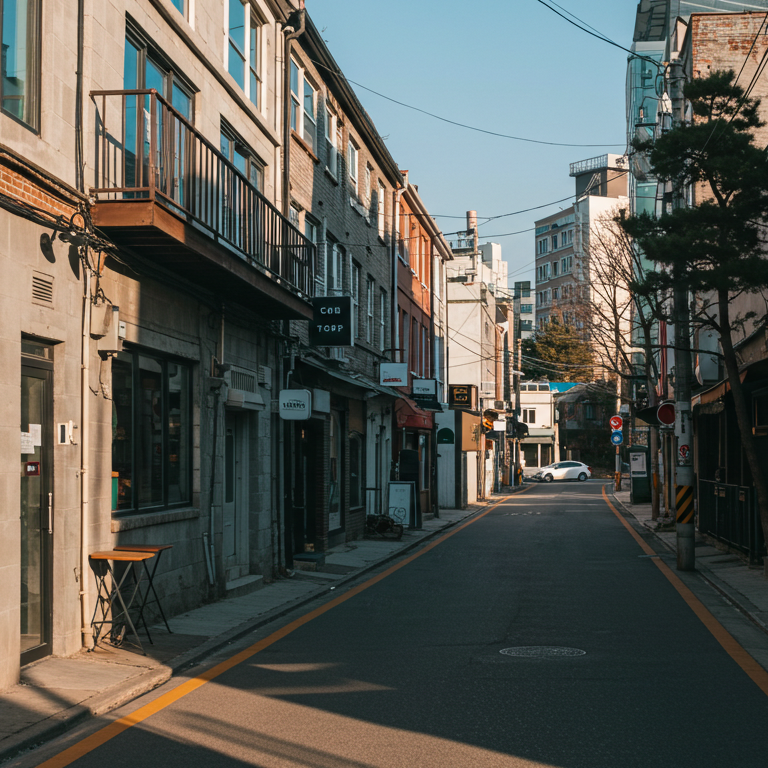
Bukchon Hanok Village and Ikseon-dong offer a more intimate winter mood. Narrow alleys, hanok rooftops, tea houses, and warm cafe lights create a softer, more emotional snow scene. These neighborhoods are popular, so it is better to move slowly and respect residential areas, especially in Bukchon.
Seoul Forest and Olympic Park are good choices if you prefer open space. Snow-covered trees, wider paths, and quieter corners make them easier for natural portraits and landscape shots. These parks are also useful for travelers who want winter photos without dealing with palace crowds.

How to Prepare for a Snowy Day in Seoul
A snowy day in Seoul can be beautiful, but it can also become slippery and cold very quickly. Waterproof shoes with grip are more useful than stylish boots with smooth soles. Gloves, a scarf, a warm inner layer, and a compact umbrella can make the difference between enjoying the snow and rushing indoors after ten minutes.
Public transport is usually the most practical way to move around Seoul during snow. Subway stations are connected to many major districts, and they help you avoid road delays or taxi shortages during busy hours. If you plan to visit a palace, observatory, or cafe district, choose one main area and build the day around nearby stops.
For photography, charge your phone before heading out because cold weather can drain batteries faster. Wipe your lens often, use a secure crossbody bag, and avoid standing in the middle of icy roads or crowded stairs just to take a photo. The prettiest winter travel photos often come from quiet corners, cafe windows, palace walls, and side streets rather than the busiest viewpoints.
Skin also needs extra care on snowy days. Seoul's winter air can feel dry, especially when you move between cold outdoor air and heated indoor spaces. A richer moisturizer, lip balm, and gentle sunscreen are simple but helpful. Snow reflects light, and your skin barrier can feel tighter after a long day outside.

Dr. Beau's Note
Snowy Seoul is beautiful, but winter air can be harsh on the skin. Before going outside, apply a barrier-supporting moisturizer and protect the lips and cheeks, which tend to dry out first. After returning indoors, avoid overly hot water and focus on gentle cleansing, hydration, and recovery so your skin can enjoy the season as much as your camera does.