
Healing Cafes in Seoul: Where Locals Go to Slow Down
In a city with more coffee shops per corner than almost anywhere on earth, Seoul evolved a distinct counter-genre: the healing cafe, designed for decompression rather than caffeine or content. The family includes traditional tea houses pouring jujube and ssanghwa tea in hanok rooms, book cafes where silence is the house rule, plant-filled rooms that function as indoor forests, and deliberately analogue spaces with no outlets and soft music. Finding them is a search-term skill; using them well is an etiquette of quiet — and both are teachable in one article.

What Makes a Healing Cafe?
Healing — the English word, absorbed whole into Korean — names an entire consumer culture here: the deliberate purchase of calm by people whose work culture rations it. Healing cafes are that culture's most accessible form, and they define themselves against Seoul's two dominant cafe modes: the trend cafe engineered for photographs, and the study cafe full of laptops and exam prep.
The healing cafe refuses both jobs. The signatures are consistent wherever you find one: natural wood and stone, plants doing real architectural work, sunlight managed like an ingredient, music at conversation-discouraging softness, seats angled toward windows rather than toward each other — and, in the purest examples, deliberate absences: no outlets, no Wi-Fi password on display, sometimes a gentle no-laptop or low-voice policy posted at the door.
The design is not aesthetic accident; it is behavioural. Every choice nudges the visitor toward the one activity the space is actually selling — sitting still with a warm cup for an hour — which is why locals treat a good healing cafe less like a coffee stop and more like a bookable pause in the week.

The Types, and Where to Find Them
The genre has recognisable species, each with home territories:
- Traditional tea houses — the genre's ancestors: hanok rooms in Insadong's alleys, Bukchon and Seochon, pouring Korean teas in pottery, floor seating, decades of practice at unhurried service. The deepest version of the experience and the best first stop.
- Book cafes — shelves as walls, reading as the activity, and quiet as the shared agreement. Large ones anchor whole afternoons; small neighbourhood ones in Mangwon or Haebangchon feel like borrowed studies.
- Plant and forest cafes — interiors landscaped to greenhouse density, trading Seoul's grey for chlorophyll. The larger ones on the city's edges double as weekend micro-escapes.
- Hanok conversion cafes — courtyard houses in Seochon and Ikseon-dong where the architecture itself does the calming; morning visits beat the afternoon crowds that discovered them.
- View cafes — rooftops toward Namsan, riverside rooms along the Han, mountain-edge terraces near Bukhansan's trailheads: the sub-genre where the vista replaces the interior as the therapy.
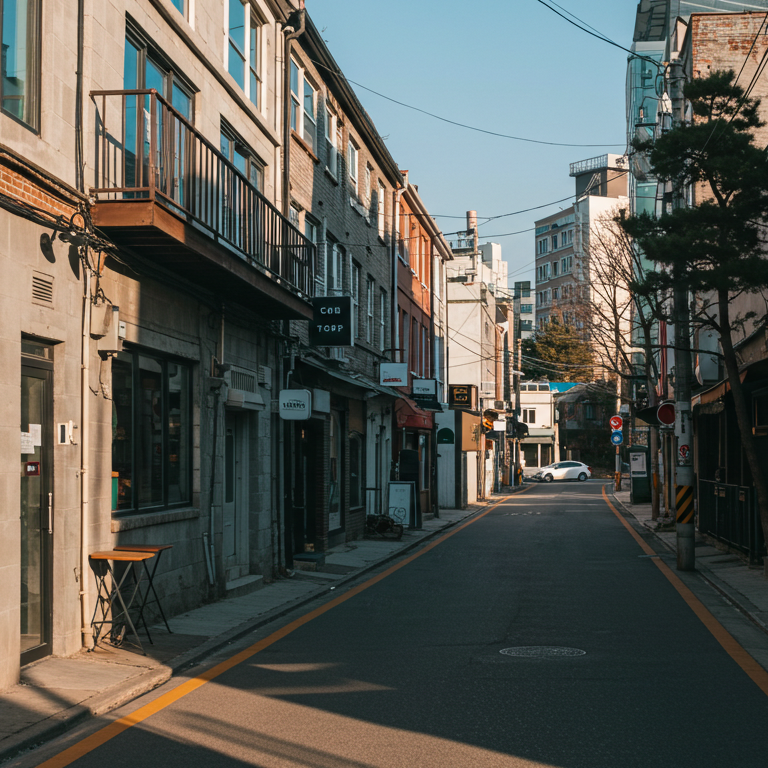
Territory guide: Seochon and the western palace-side lanes hold the densest mix of hanok and tea-house calm; Insadong's side alleys keep the traditional houses; Mangwon, Yeonhui and Buam-dong are the residential-neighbourhood cluster locals actually use; and even Euljiro and Seongsu hide gallery-quiet rooms above their busy streets. The pattern: healing cafes live one turn off the main drag, priced into quieter rent — which is precisely why they can afford to let you sit for two hours.

Must-Try Drinks for Mindful Moments
The menu is half the therapy, and Korean traditional teas are the genre's house pharmacy — framed by centuries of use rather than clinical claims, and worth ordering by name:
- Ssanghwa-cha — the dark, rooty restorative brewed from a traditional herb blend, often served with pine nuts floating on top; Korea's classic answer to depletion, and the boldest first order on the menu.
- Daechu-cha — jujube tea, sweet and rounded, the gentlest entry point and the standard cold-evening comfort.
- Omija-cha — five-flavour berry tea, served hot or iced, famous for hitting sweet, sour, salty, bitter and pungent in one cup.
- Mugwort and chrysanthemum teas — the aromatic, calming end of the shelf, mugwort carrying the same herb the bathhouse tradition loves.
- Misugaru latte — roasted multi-grain powder whisked into milk: nutty, gently sweet, closer to a drinkable meal than a coffee, and the healing cafe's signature non-tea order.
- Yuja-cha — citron marmalade tea, bright and honeyed, the wintertime standard.
Presentation is part of the dose: pottery cups with weight in the hand, trays, a traditional sweet alongside — the service is paced to slow you down, and letting it is the point. Coffee exists on most menus, but ordering the tea is like ordering the fish at the harbour: you are in the right place for it.

The Etiquette, and How to Search
The etiquette is a short social contract. One drink per person is the standing norm in Korean cafes and doubly so in small quiet ones — the order is the rent on your seat. Keep voices at library level, take calls outside, and treat posted policies (no laptops, low-voice zones, time guidance at busy hours) as the house's way of protecting exactly what you came for. Photography is usually fine done quietly; a shutter-spamming tripod session is not. Solo visitors are not tolerated but expected — much of the seating is designed for one.
The search is a vocabulary trick. English queries surface the trend cafes; the healing genre lives under Korean keywords. On Naver Map, search 조용한 카페 (quiet cafe), 한옥 카페 (hanok cafe), 전통찻집 (traditional tea house), 북카페 (book cafe) or 식물 카페 (plant cafe) around your neighbourhood, then read the photos for the tells: window seats facing out, pottery cups, absence of crowds in every shot. Reviews mentioning 혼자 (alone) are the genre's quality seal.
Timing: weekday mornings and mid-afternoons are the genre's own golden hours; hanok-district cafes crowd after noon on weekends. Rainy days — which empty the photo cafes — are when healing cafes are at their absolute best, a fact their regulars guard.

Dr. Beau's Note
Schedule one healing cafe hour into the middle of a Seoul itinerary the way you would schedule a meal — as a fixed appointment, not a maybe. Visitors run this city at a pace no resident keeps, and by day three it shows in faces and tempers. The locals' secret is not knowing better cafes; it is treating the pause as non-negotiable. One booked hour with a jujube tea and no phone, midweek, mid-trip — and the second half of your Seoul runs noticeably better than the first. The city rewards people who learn its off-switch.