Modern Warfare 4's Korea: Private Park, the Hangul Logo and a Korean Hip-Hop Remix
Call of Duty: Modern Warfare 4, released on October 23, 2026, puts most of its campaign on the Korean Peninsula and hands the lead to Private Park Hyun Jun, a young South Korean soldier played by Young Mazino. The "4" in its logo is the Korean syllable 사 (sa, "four"), and its end credits roll over a remix of Wu-Tang Clan's "C.R.E.A.M." with Korean verses from LEE YOUNGJI, E SENS and Jay Park.

Why Korea? A New Map for an Old Series
Every Modern Warfare game has to answer a simple question first: where does the story happen? For the fourth entry, Infinity Ward picked a place the series had never built a campaign around. Activision announced Call of Duty: Modern Warfare 4 on May 28, 2026, and called Korea a new setting for the franchise, built with attention to the culture, history and military detail of the region. The studio has said it wanted to portray a part of Asia at a scale earlier Modern Warfare games never attempted.
Why Korea, of all places? Part of the answer is history. Korea is one of the last places on earth still divided by the Cold War: the 1950–53 Korean War ended in an armistice, not a peace treaty, and that real backdrop gives a made-up story its sense of realism. The story itself is fiction. It imagines a present-day North Korean invasion of the South, decades after that war, and stages its battles around Hajin, a city invented for the game. Players follow a young South Korean squad on that front while Captain Price, the series' long-running British lead, works his own off-book mission elsewhere.
Korea is not the only stop. According to Activision, the campaign runs to 16 missions across the Korean Peninsula, New York, Paris and Mumbai. The game launched worldwide on October 23, 2026 on PlayStation 5, Xbox Series X|S, PC and Nintendo Switch 2, and players who pre-ordered the Standard Digital Edition or Vault Edition could start the full campaign a week early, on October 16. Hajin also gives its name to DMZ, the game's open-world extraction mode, which drops squads into the region after the campaign's events.

Private Park and the Korean Squad
Why does a Call of Duty campaign need a new face? Because the series' veterans have all been to war before, and Infinity Ward wanted the Korean story told through someone who hasn't. The player character is Private Park Hyun Jun, described by Activision as a young South Korean soldier facing live combat for the first time. What starts as a routine patrol turns into the opening of the campaign.
Park is played by Young Mazino, the Korean American actor many viewers know from Netflix's Beef and HBO's The Last of Us. Around him is a squad that narrative director Jeff Negus has introduced as Park, Jay, Cho and Moon, joined by two American Marines, Lieutenant West and Corporal Dunn. Daniel J. Kim plays Moon, Luke Tennie plays West, and Joseph Lee plays Kal, a South Korean special forces officer who enters the story later. Several of these characters also turn up as unlockable multiplayer operators, with Park as the final campaign reward.
The detail that Korean players tend to notice first is language. Negus has explained that Korean soldiers simply talk to each other in Korean, as they would in real life, and that the writers leaned on the cast and a dialect coach to shape those lines. Associate design director Alex Norris has described an internal Korean culture channel where team members with Korean backgrounds answered questions, down to which aisle of a store a fish product would actually sit in.

What the Korean Symbol in the Logo Means
Search for the Modern Warfare 4 logo and you will see why people ask about a "Korean symbol." The number after WARFARE is not a plain 4. It is the hangul syllable 사, pronounced "sa," drawn with a brush-like stroke so that it also reads as the digit. Sa is the Sino-Korean word for four, so the title works in both scripts at once: MW4 to an English reader, MW사 to a Korean one. The official Korean-language trailers use the same idea and title the game "모던 워페어 사," Modern Warfare Sa.
Why sa and not net, the other Korean word for four? Korean has two sets of numbers. Native Korean numbers (hana, dul, set, net) count things and hours, while Sino-Korean numbers (il, i, sam, sa) handle dates, money, floors and, as here, titles and sequels. A Korean reader sees 사 and thinks "number four" without effort.
There is a second layer that every Korean reader knows. Sa sounds the same as the Sino-Korean word for death, which is why many Korean apartment and hospital elevators label the fourth floor "F" instead of 4. Whether the studio intended that echo for a war story is anyone's guess, but it explains why a single syllable on a cover has drawn so much attention. Once you notice it, you will spot the same brush-stroke 사 on loading screens, map cards and the game's key art.

The Soundtrack: C.R.E.A.M. in Korean, and the Score
Why would a Korean war story borrow a 1994 New York rap song? Wu-Tang Clan's "C.R.E.A.M." is a song about young people building something out of nothing, and Activision has framed it as a mirror of the squad's arc. The original version plays in the game's opening cinematic. The end credits use a new remix with verses in English and Korean from three Korean rappers, connecting the track to the game's setting.
The three voices cover a wide stretch of Korean hip-hop. LEE YOUNGJI first broke through on the teen rap competition High School Rapper and is now a familiar face as both a rapper and a TV host. E SENS is a veteran known for dense, literary verses since his Supreme Team days. Jay Park is the rapper, singer and producer behind the labels AOMG and H1GHR MUSIC. The remix was produced by Wu-Tang Clan's RZA and Martin Wave of Parasol Music, and RZA said he wanted to hear the message "resonate with a new generation of rappers" from across the globe.
"C.R.E.A.M. (Call of Duty: Modern Warfare 4 Remix)" came out as a single through Epic Records on October 16, 2026, and is on major streaming platforms. An official music video starring LEE YOUNGJI followed on October 22 on Wu-Tang Clan's YouTube channel, and much of it is set inside a Korean convenience store, all fluorescent shelves and "2+1" deal signs. The orchestral score behind the campaign is by Stephen Barton, who wrote much of the music for the original 2007 Call of Duty 4: Modern Warfare, and Jason Graves, who also scored Modern Warfare II. For any full score release, check Activision's and the composers' official channels.

From the Screen to Seoul: The Everyday Korea in the Maps
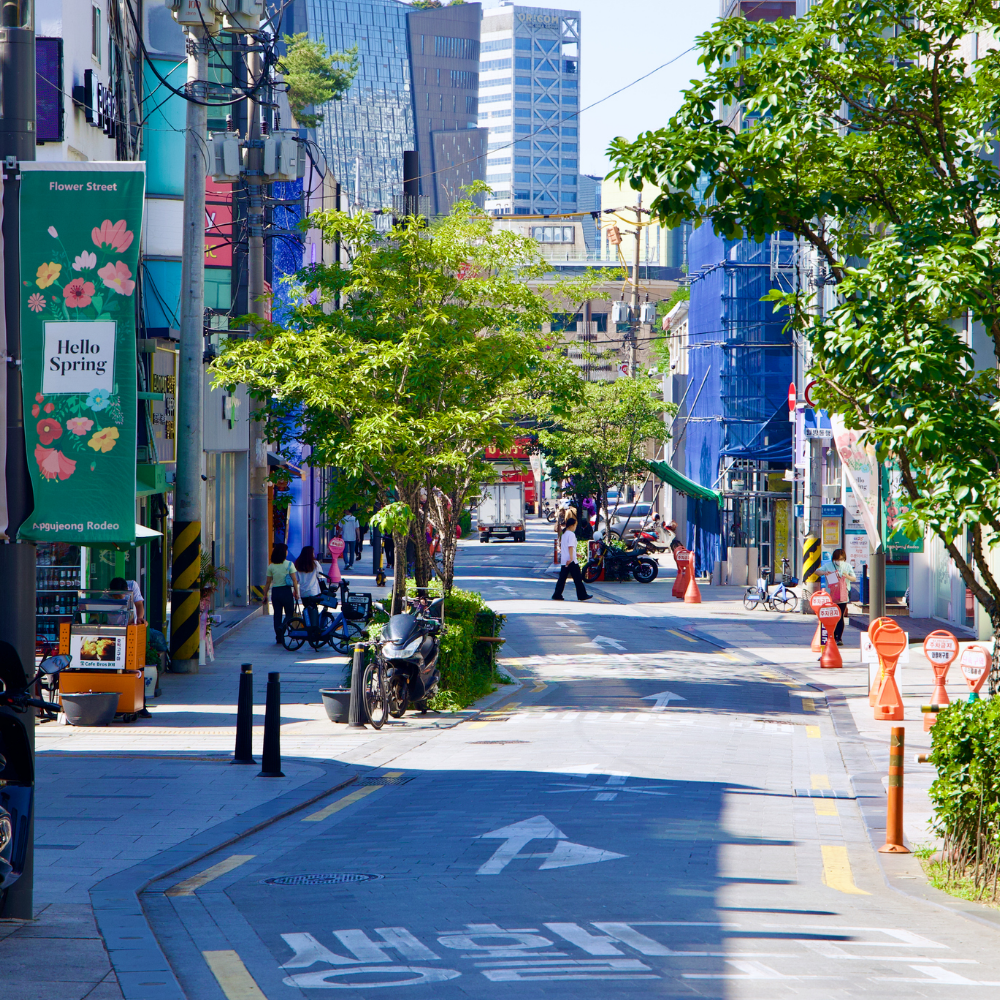
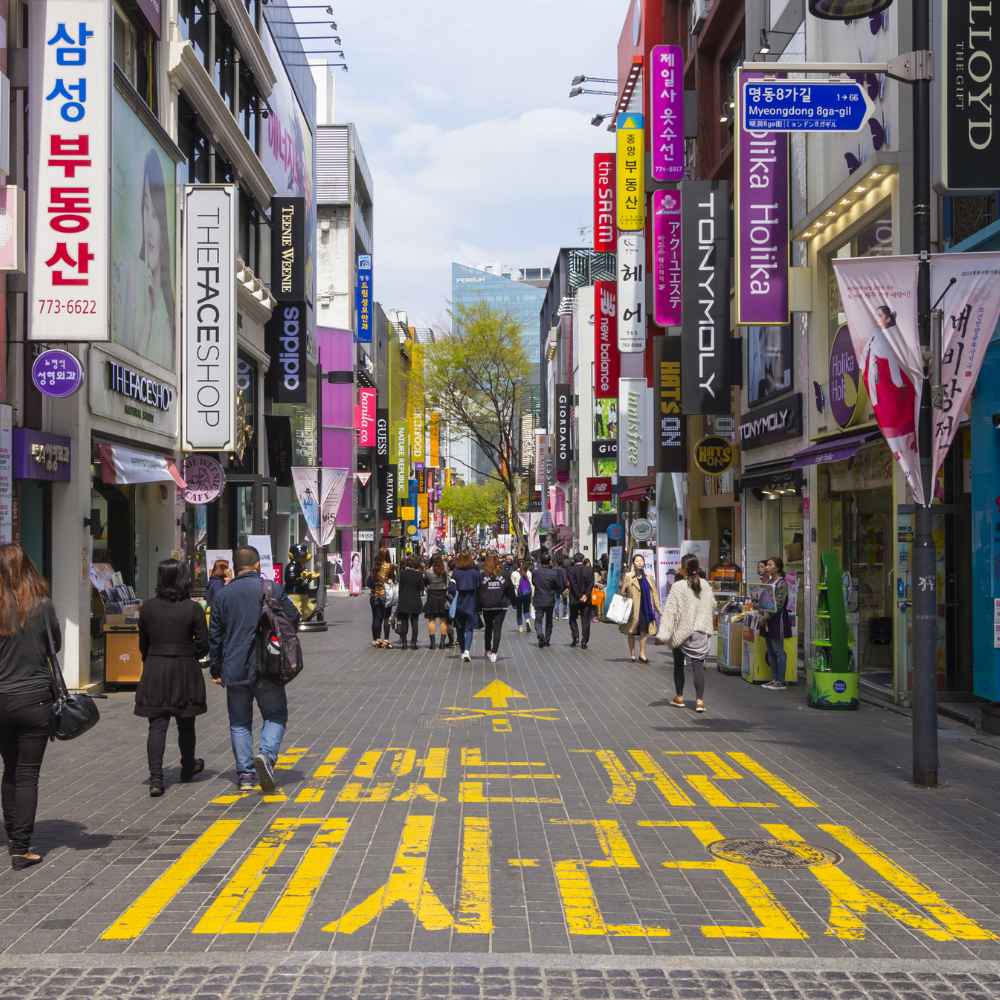
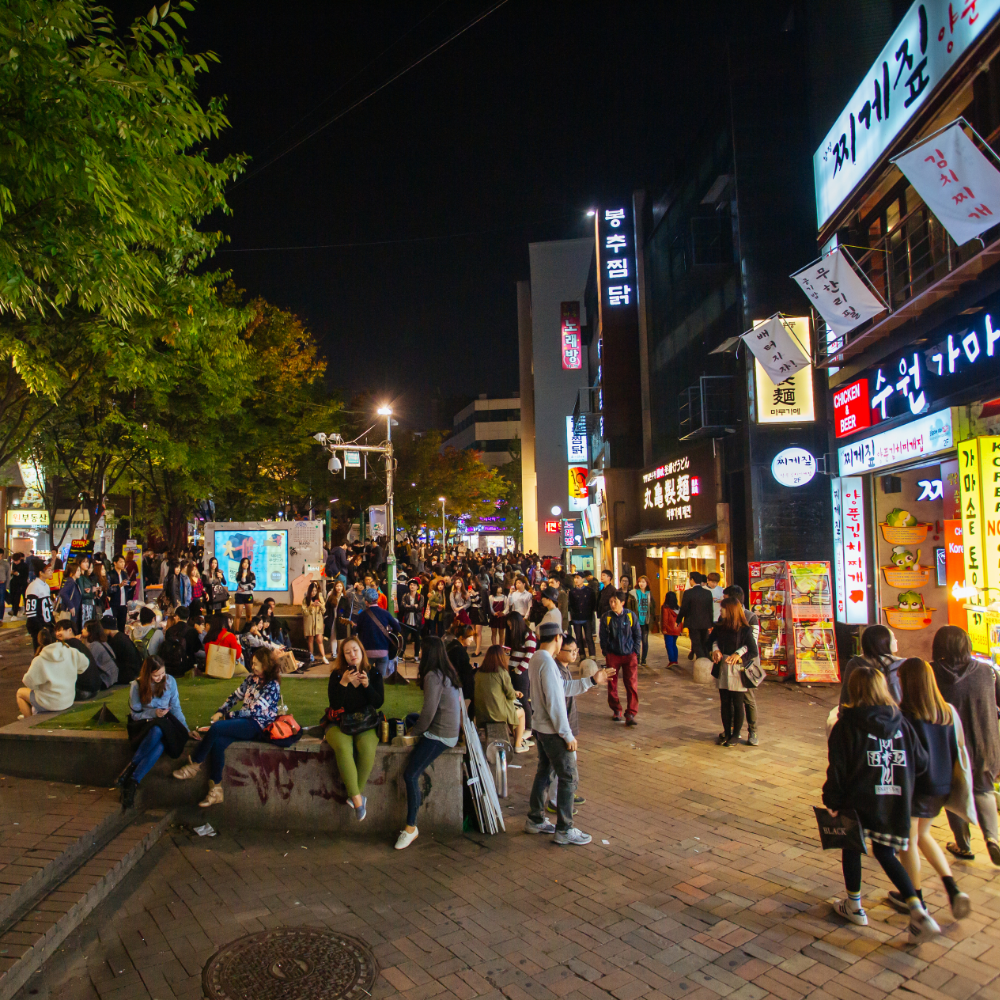
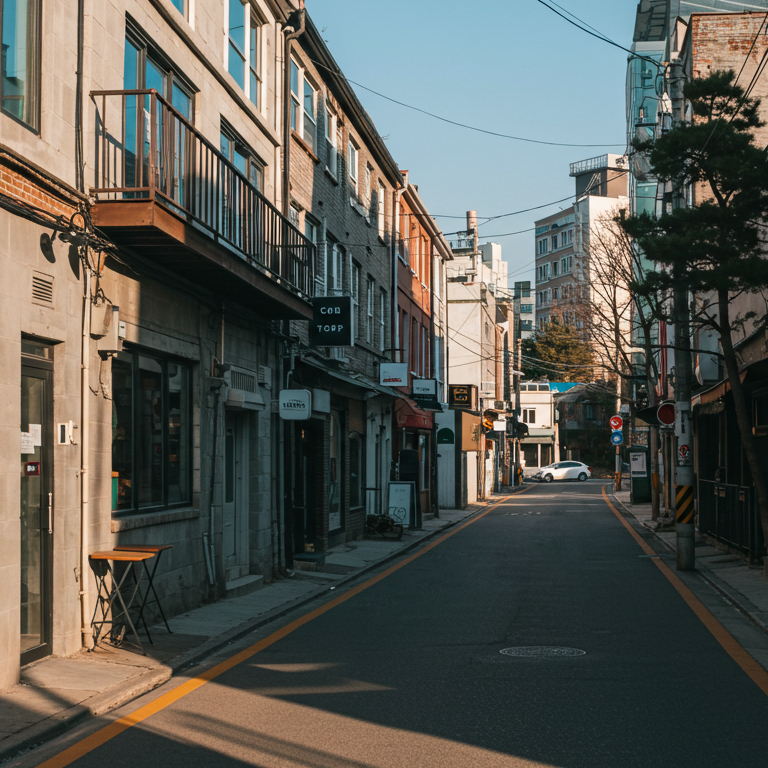
The most Korean thing in Modern Warfare 4 may not be a soldier at all. It is the street. Hajin is fictional, but the multiplayer maps borrow from ordinary Korean neighborhoods. Silkworm is described by Activision as a dense South Korean shopping district built around a well-stocked convenience store, a gaming den and a subway entrance, with a karaoke sign hanging over the corner. Lotus is a South Korean fishing village with a market, a hostel and a boathouse, and its street includes a cafe and a juice stand with hand-lettered hangul signs.
None of these maps is a copy of a real address, so there is no single spot to stand on. What you can find in Seoul is the everyday texture they are built from. The "gaming den" in Silkworm is a PC bang, the late-night computer rooms on almost every block, and our guide to PC bang culture covers how to pay, order food and find a seat. Fans who want a branded version can visit T1 Base Camp, the esports team's PC bangs in Hongdae and Gangnam. To watch pro gaming in person, LoL Park near Jonggak Station hosts live LCK matches. The convenience store, the karaoke sign and the subway stairs need no guide at all. You will pass them within minutes of leaving your hotel.

Sori's Note
The credits are where a game decides what you leave with, and Modern Warfare 4 leaves you with Korean verses. That choice says more about the project than any trailer does. A studio can build a convincing street with the right signs, but a song is different: it asks the setting to speak back in its own voice.
Notice, too, how small the key gesture is. One syllable, 사, replaces a numeral, and suddenly the title belongs to two languages. If the game sends you to Seoul, look up at the signboards. That is where the real script lives, and it is louder and stranger than any cover art.