
What Is a Pocha? A Cold-Night Guide to Seoul's Orange Tent Bars
A pocha, short for pojangmacha, is a Korean tent bar: a tarp-covered stall with plastic stools, a steaming pot of broth and soju, where you order shared dishes called anju. In Seoul, the liveliest strip is around Jongno 3-ga, with Euljiro and Sindang close behind. Plan on roughly 15,000 to 30,000 won a dish and 5,000 to 7,000 won a bottle of soju, keep some cash on you, and expect to use a restroom nearby, since a street tent has none of its own.

Street Tents and Indoor Pocha Pubs
It starts with a sound: the hiss of a burner and a ladle knocking against a pot of fish-cake broth. Then the light, orange through the tarp, and a row of plastic stools around a table barely big enough for three plates and a green bottle. That is a pocha.
The full word, pojangmacha, means something like "covered wagon." The first ones were pushcarts with a canvas hood, and the name stuck when the carts grew into tents. Today a street pocha is a fixed stall on the pavement, usually wrapped in orange or red tarpaulin, with the cook at the front and a few tables squeezed in behind. When the weather turns, the sides come down: clear plastic curtains, a gas heater under the table, windows fogged from the inside. That is why the pocha belongs to the cold months. Stepping out of a November wind into that warm, crowded little room is half of what you came for.
The word also covers a second kind of place. Across Seoul you will find indoor pubs that call themselves a pocha and borrow the look: orange tarps hung over the walls, retro posters, steel tables, the same dishes on the menu. They come with real heating, a restroom down the hall, card machines and room for a group of eight. In between sit the streets where ordinary restaurants carry their tables outside for the evening, a style Koreans call yajang, or outdoor dining. In casual talk, all three are a pocha night. If you want the classic tent, look for the tarp; if the cold or a big group is the bigger concern, an indoor pocha gives you the same food and mood with fewer compromises.

How Ordering Works, and What It Costs
Sit first, then order. The menu is usually on the wall or a laminated card on the table, and a wave or a call of "jeogiyo" (excuse me) brings someone over. The one rule worth knowing: a pocha is a place to eat as well as drink, so each table orders at least one dish. On a packed night, some stalls ask for two. Prices are posted, but seasonal seafood is sometimes listed as "market price," so ask before you order the oysters.
The food is anju, dishes made for sharing over drinks, and the portions assume two or three people. A typical board looks something like this:
- Eomuk-tang: fish cake skewers in a clear, peppery broth. On a cold night it is the dish to order first.
- Dak-ttongjip bokkeum: chicken gizzards stir-fried with garlic and chili, chewy and very good with soju.
- Golbaengi muchim: sea snails in a sweet-spicy dressing, served over thin wheat noodles.
- Kimchi-jeon or pajeon: savory pancakes, crisp at the edges, the natural partner for makgeolli.
- Ojingeo bokkeum: squid stir-fried in red chili sauce, often with a bowl of rice on the side.
- Gyeran-mari: a rolled omelet, the mild dish for anyone who has had enough chili.
- Gul: fresh raw oysters, in season from late autumn through winter, usually with chili sauce and kimchi.
To drink, there is soju, the clear spirit in the green bottle at around 16 to 17 percent alcohol, plus bottled beer and makgeolli, the cloudy, lightly fizzy rice wine. Many tables mix soju into beer, a combination called somaek. Expect roughly 15,000 to 30,000 won for a dish and 5,000 to 7,000 won for a bottle of soju or beer. Two people sharing two dishes and a couple of bottles usually spend around 40,000 to 70,000 won. You pay at the end: catch the staff's eye and say "gyesan-hae juseyo," the bill, please.

Where to Find a Pocha Night in Seoul
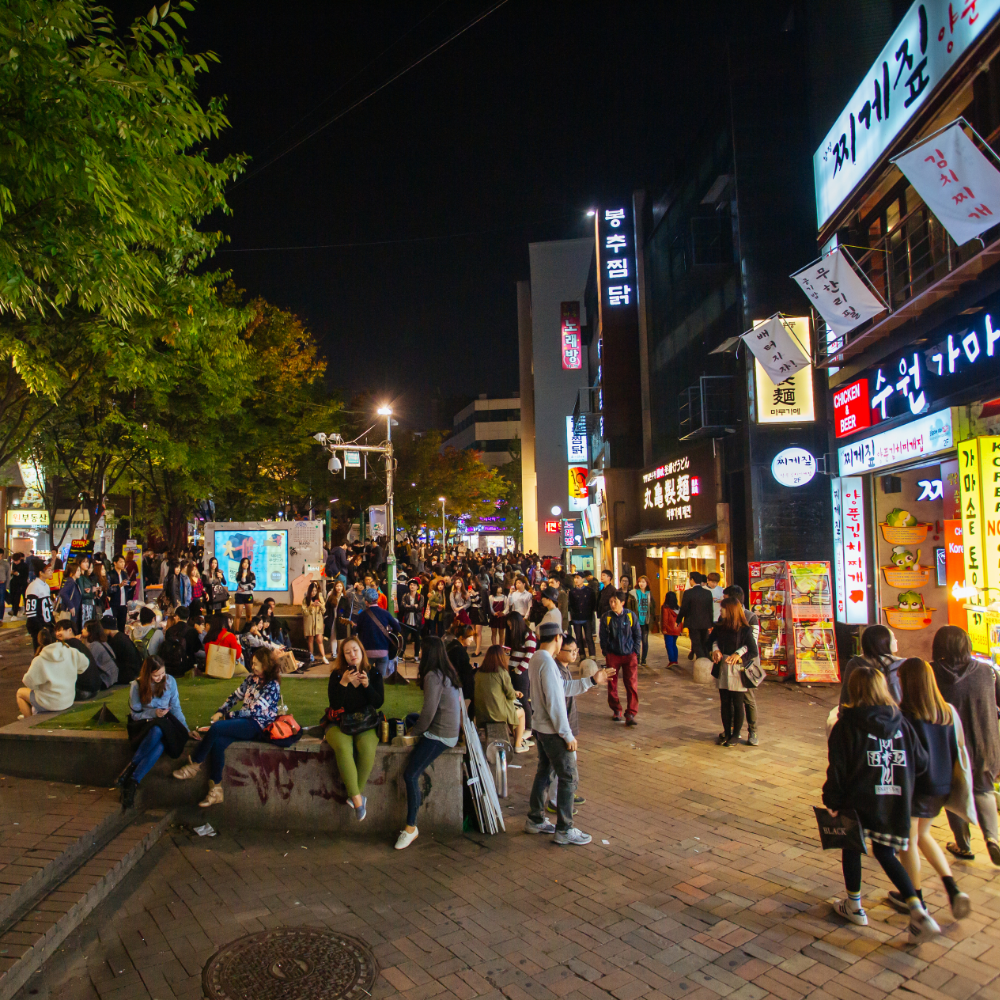
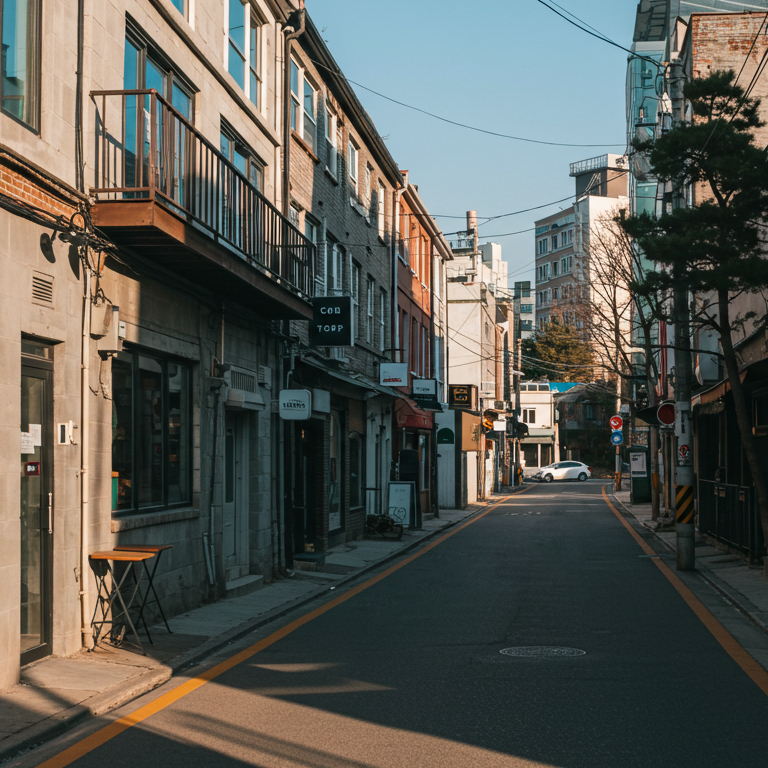
Jongno 3-ga. This is the one everybody is talking about. In September, the city guide Time Out named Jongno 3-ga the coolest neighborhood in the world for 2026, and its pochas were part of the reason. As the sun goes down, tents and outdoor tables spread along the streets around Jongno 3-ga Station, a few minutes' walk from the Nakwon instrument arcade. A good evening here starts in daylight in the hanok alleys of Ikseon-dong and along Seosulla-gil, the stone-walled lane beside Jongmyo Shrine, then drifts toward the tents once the lights come on. Hours vary from stall to stall. Weekends after 8 p.m. mean a wait, so arrive early or come on a weeknight.
Euljiro. A short walk south, Nogari Alley near Euljiro 3-ga Station is the beer version of the same idea. Its pubs are shops rather than tents, but the action is outside: plastic tables crowd the lane, glasses of draft beer arrive by the tray, and the house snack is nogari, dried young pollack, dipped in a chili-mayo sauce. On mild evenings it feels like a street party; when it turns bitter, people move inside.
Sindang. The neighborhood young Seoulites have nicknamed "Hipdang-dong" mixes old markets with new bars. Seoul Central Market, near Sindang Station, pairs old food stalls with newer counters that stay open late. Next door, at Sinjungang Market, the Jung District began a market yajang in September, with 34 shops setting tables out in the alleys and buskers playing between them. Check the district's notices for the nights it runs. An underground passage opened last December links Sindang Station to the market, so you can arrive without facing the wind. Make an afternoon of it with the Dongmyo flea market, one stop away on Line 6.

Cash, Cards and the Restroom Question
Paying. Indoor pocha pubs take cards almost without exception, and plenty of street tents now have a card reader too. Not all of them, though, and a few prefer cash or a bank transfer. Carry two or three 10,000-won notes, and ask "kadeu dwaeyo?" (do you take cards?) before you sit if it matters. If your home card is fussy with older terminals, a prepaid travel card such as WOWPASS, loaded in Korean won, is a good backup.
The restroom. A street tent has no toilet of its own. Staff will point you to a nearby building with a shared restroom, sometimes with a door code they will tell you, and Seoul subway stations have free public restrooms. In practice: go before you sit down, and know where the nearest station entrance is. An indoor pocha avoids the question entirely, which is one reason groups often start in a tent and finish indoors.
The cold. The heater warms the air, but the floor is still the street. Dress for an hour outdoors, not for a restaurant, with warm shoes and a layer you can take off. Our winter packing guide explains the long padded coat that half of Seoul wears all season. Grill smoke clings to wool, so the good coat can stay at the hotel. Light rain or snow does not usually close a tent; the curtains just come down a little further.

The Pocha on Screen, and a Few Table Habits
If the scene feels familiar, that is because K-dramas love it. The green bottle, the plastic stool, the friend who finally says what they mean at 2 a.m.: the pocha is where Korean television sends its characters to tell the truth. In Itaewon Class, the hero's first business is DanBam, a small pocha-style pub. Some visitors at Jongno 3-ga say they had seen this exact table on screen long before they sat at one.
The real thing is more relaxed than the drama version. A few habits help. Pour for the people at your table rather than for yourself, and let someone else fill your glass. Share every dish; nobody orders a plate for one. Neighboring tables may start a conversation, especially when they hear a visitor, and a friendly toast back is all it needs. Solo visitors are welcome, though a quiet early evening or a counter seat at an indoor pocha is easier than a tent at peak hour. For the full picture of pouring, two-handed glasses and toasting, read our guide to Korean drinking etiquette.

Haru's Note
Everyone tells you to go late, when the tents are loud and full. Go at six instead. The first table of the evening gets the cook's full attention, the broth has just come to the boil, and the plastic curtain has not yet fogged over, so you can watch the street turn blue outside while the tent turns orange inside.
By eight the place belongs to the crowd, and that is fun too. But the quiet first hour is the one that stays with you: one steaming bowl of fish cake soup, two glasses, and a whole night still ahead.