
Things to Do in Seoul: 15 Experiences Worth Building a First Trip Around
The best things to do in Seoul on a first trip mix the city's newest scenes with the places that have lasted: a pop-up crawl in Seongsu, an Olive Young haul, a four-cut photo booth, Gwangjang Market, a convenience-store crawl, Euljiro after dark, a Han River night picnic, noraebang, the Seoul Sky view, Hongdae on a weekend night, a hanbok walk at Gyeongbokgung, Bukchon's lanes, a sunset hike on Inwangsan, a night at a jjimjilbang and, if you want one, a skin clinic consultation. Grouped by neighborhood, the list fits into four or five days.

Shop and Snap: Seongsu, Olive Young and Photo Booths
Start with what Seoul is doing right now. The city's shopping scene moves fast, and the first three items on this list are where you see it change week to week.

A pop-up crawl in Seongsu
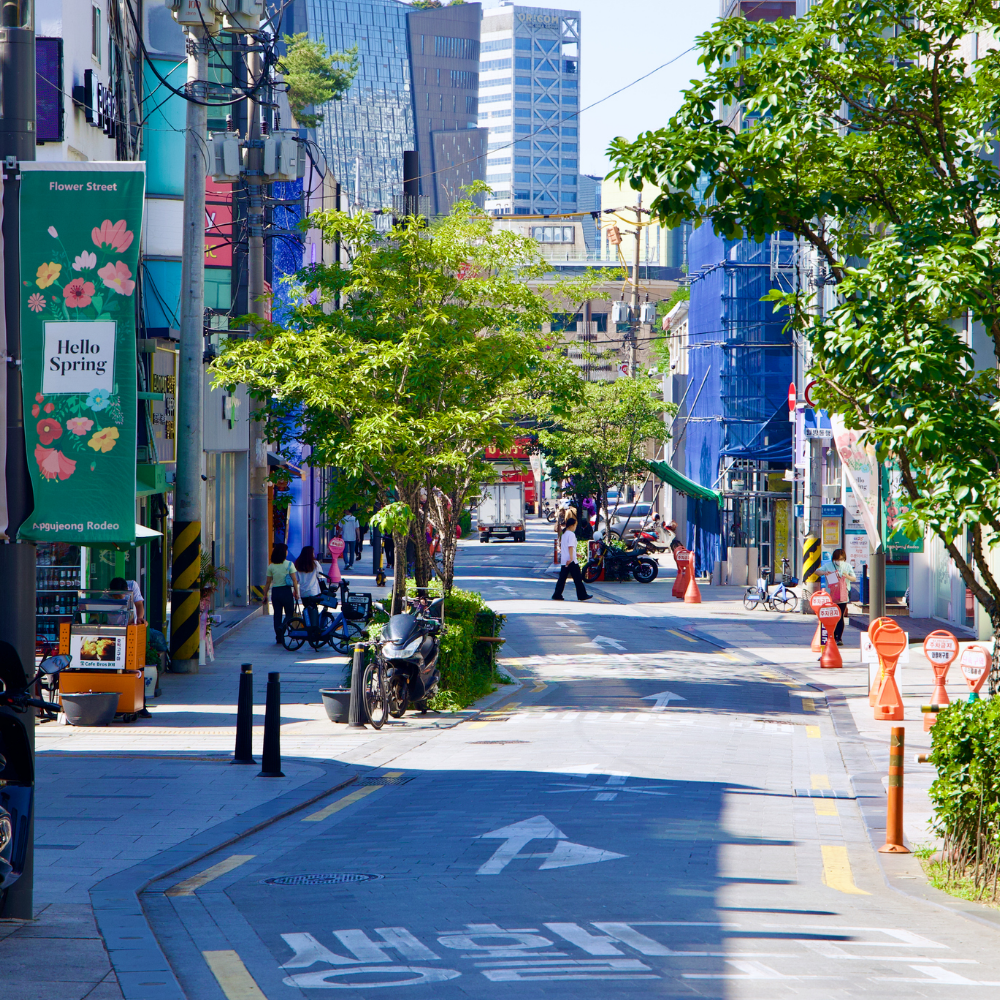
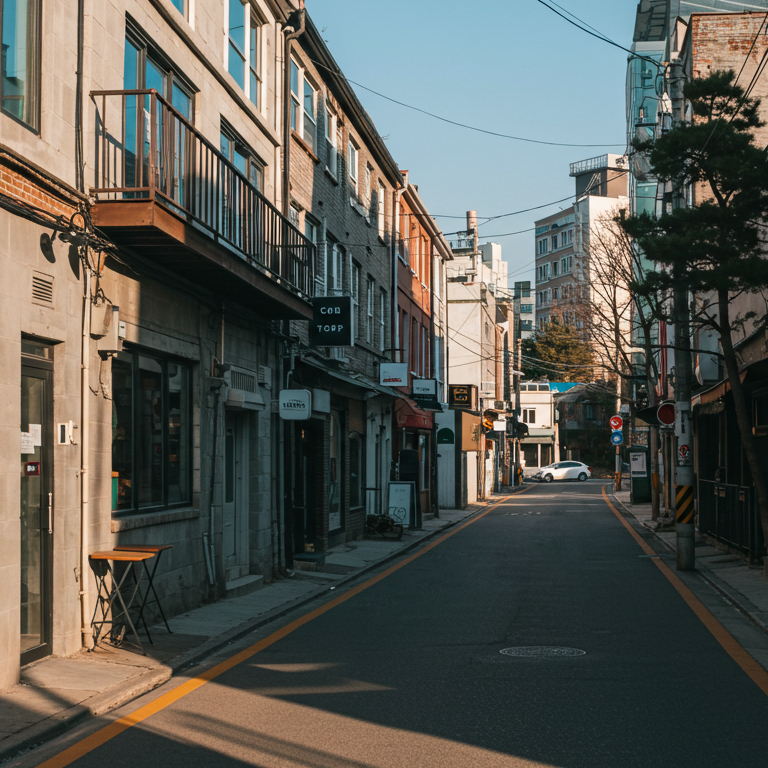
Seongsu-dong was a district of shoe workshops and warehouses. Now its brick buildings host brand pop-ups that run for a few days or a few weeks, then make way for the next one. Fashion labels, beauty brands, snack makers and character shops all use it as a test stage. Take Line 2 to Seongsu Station and walk the blocks between the station and Seoul Forest. Some pop-ups take walk-ins. Others run a digital waitlist you join at the door, so keep your phone charged. Weekday afternoons are calmest; Saturdays bring the longest lines. For how the area works block by block, see our Seongsu pop-up and Olive Young guide.
An Olive Young haul
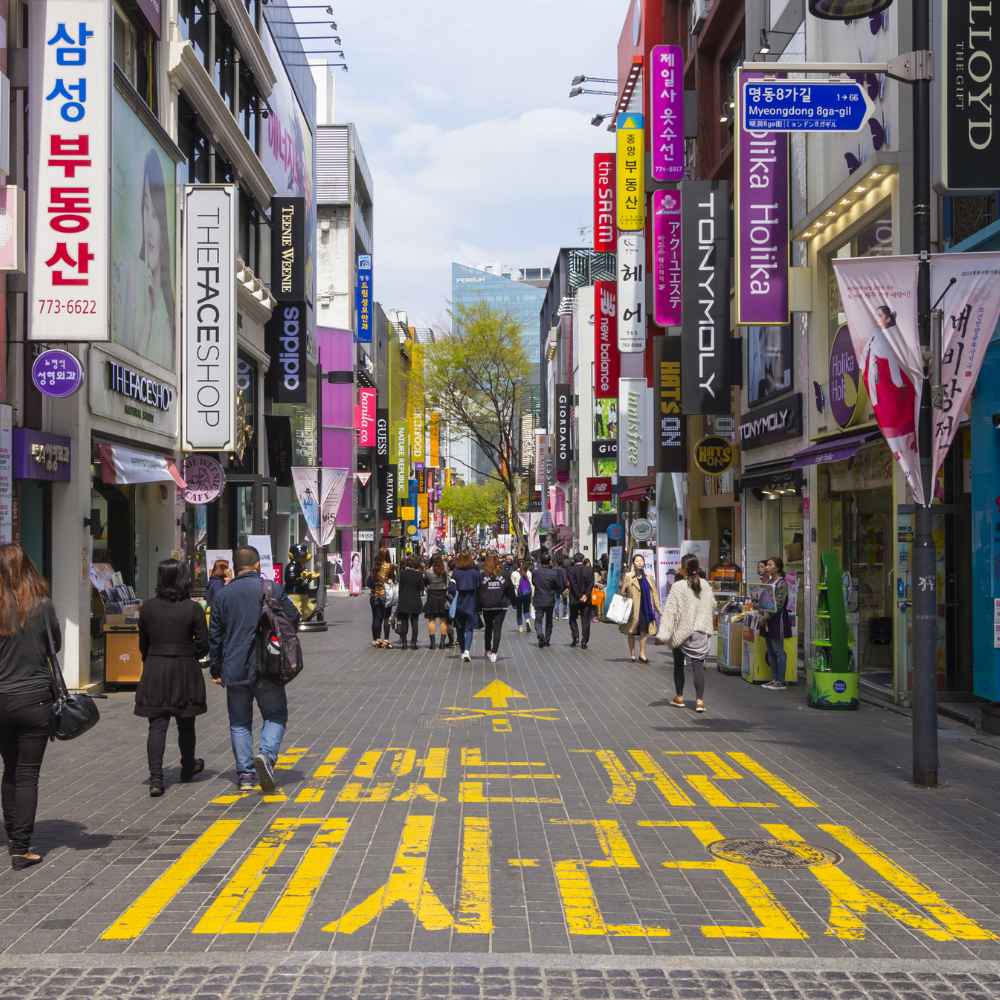
Olive Young is Korea's biggest health and beauty chain, and for many visitors it is the shopping stop of the trip. You will find branches in every busy district. The large flagships, including the one in Seongsu, stock the widest range and have staff used to helping visitors. Bring your physical passport: participating stores can take the tax off at the counter for eligible purchases. Go in the morning if you want the aisles to yourself.
A four-cut photo booth
Self-service photo studios sit on almost every shopping street. You step in with friends, pick a frame, grab a headband or a pair of oversized glasses from the prop wall and get a strip of four shots printed in a minute or two. A session usually costs somewhere around 4,000 to 6,000 won, and most booths also send the digital files to your phone by QR code. Frames change with the seasons and with K-pop collaborations, so the strip doubles as a souvenir of when you came.
Eat Your Way Across Seoul
Seoul is a grazing city. Plan one sit-down meal a day and let the rest happen at counters, stalls and convenience-store tables.

Gwangjang Market
Gwangjang Market, near Jongno 5-ga Station, has traded since the early 1900s and is still one of the liveliest places to eat in the city. Head for the food alley at the center of the covered market, take a stool at a stall and order bindaetteok, a crisp mung bean pancake fried in front of you. Add a plate of small gimbap rolls and, if you are curious, yukhoe, the seasoned raw beef the market is known for. Late afternoon on a weekday is easier than a weekend evening. After you eat, walk the textile halls upstairs; they show a quieter side of the market.
A convenience-store crawl
Korean convenience stores are a destination in their own right. GS25, CU, 7-Eleven and Emart24 compete on new releases, so shelves change every few weeks: limited snacks, collaboration drinks, desserts that sell out after a viral post. Every store has hot water and a microwave, and most have a counter where you can eat. Build a crawl around three or four stores in one neighborhood and try one thing from each. Banana milk, a triangle gimbap and a cup of ramyeon is the classic starter set.
Euljiro after dark
Euljiro is Seoul's old printing and hardware district, and in the evening it turns into one of the city's favorite places to drink. Around Euljiro 3-ga Station, the alley locals call Nogari Alley fills with plastic tables, draft beer and plates of dried pollack. Up the narrow stairways of the print shops, small bars and cafes hide behind unmarked doors. Come after 7 p.m., when the workshops close and the tables go out.
Seoul After Dark
Seoul stays up late, and the city is easy to move around at night. These four are the ones to plan your evenings around.

A Han River night picnic
The Han River runs through the middle of Seoul, and its riverside parks are where the city unwinds after work. Yeouido, Banpo and Ttukseom are the easiest for a first visit, each a short walk from a subway station. Buy snacks at the riverside convenience store, where a machine cooks instant ramyeon for you, or order fried chicken to the park's delivery zone. Spread a mat and stay for the lights on the bridges. By late autumn the evenings turn cold, so bring a layer and arrive before sunset.
Noraebang
Noraebang means "song room," and it is how many Koreans end a night out. You rent a private room with a screen, two microphones and a thick songbook that includes plenty of English and K-pop tracks. Regular rooms charge by the hour. Coin noraebang, the smaller booth-style version, lets you pay for a handful of songs at a time, often around 1,000 won, which suits a group of two or a quick round between plans.
The Seoul Sky view at Lotte World Tower
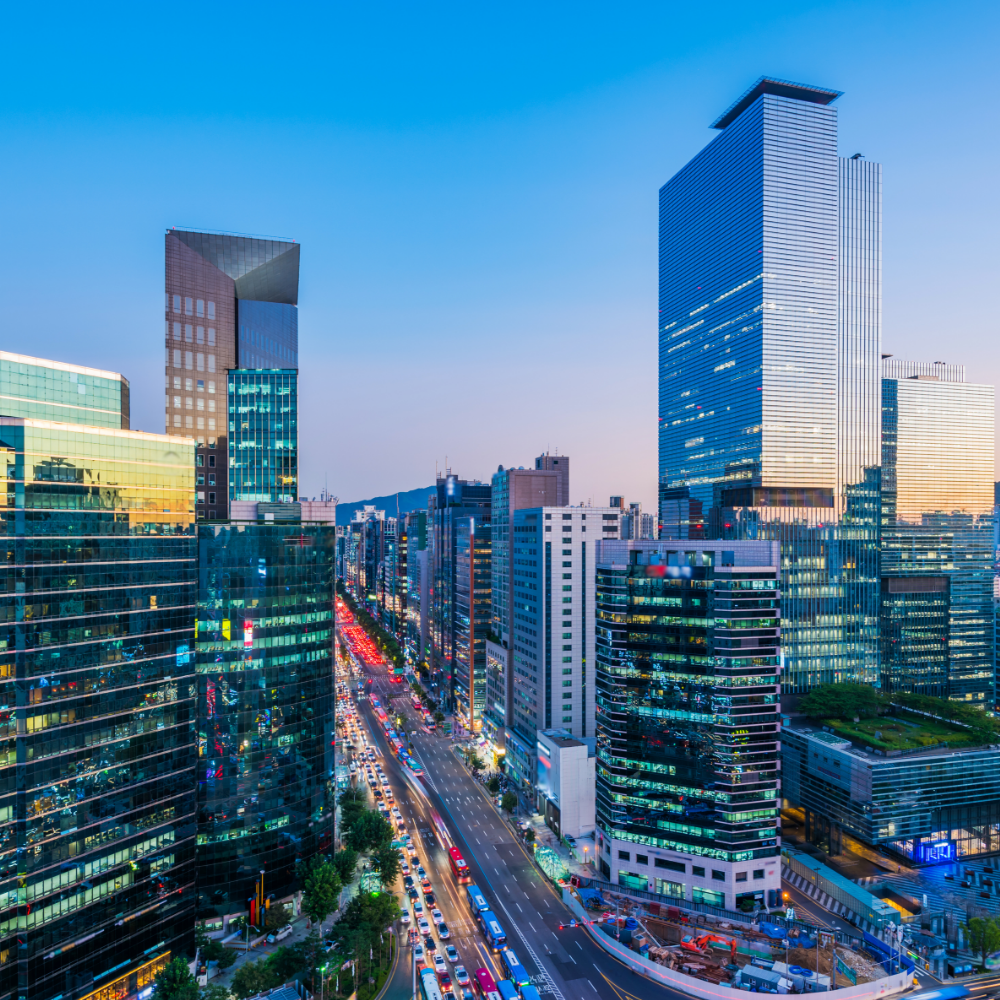
Lotte World Tower in Jamsil is the tallest building in Korea at 555 meters, and its Seoul Sky observatory fills the top floors. On a clear day you see the Han River, the mountains around the city and, on the deck with a glass floor, the streets far below your feet. Book a slot about an hour before sunset to see the city in daylight and after the lights come on. Adult tickets cost around 30,000 won, with prices varying by day.
Hongdae on a weekend night
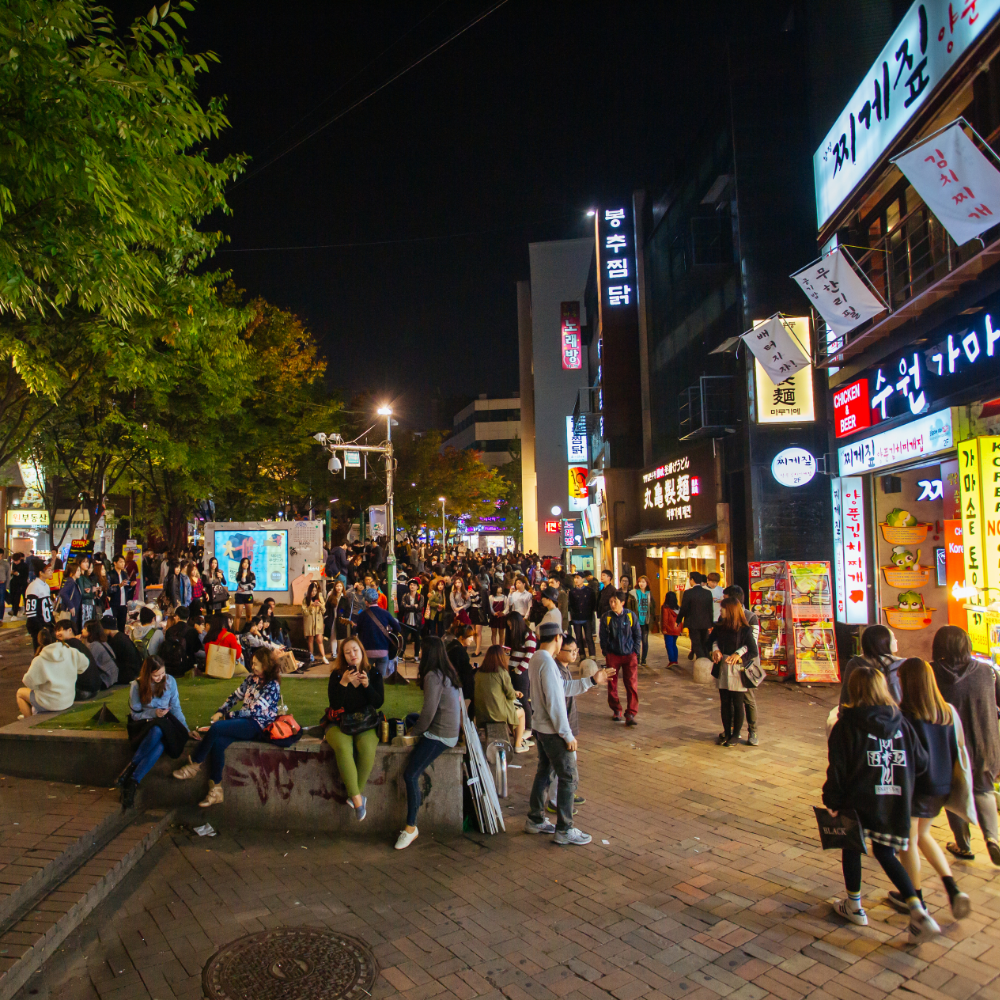
The streets around Hongik University are Seoul's youth district. On Friday and Saturday evenings, dance crews perform K-pop covers on the main walking street, singers set up amps on the corners and the small clubs and live bars open their doors. Walk it from Hongik University Station after 8 p.m., then take the side streets toward Yeonnam-dong when you want somewhere quieter for a drink.
Old Seoul, Worn New
Seoul's history is not behind glass. It is in the middle of the city, and the best way to see it is on foot.

A hanbok walk at Gyeongbokgung
Gyeongbokgung, the main royal palace of the Joseon dynasty, was built in 1395 and sits at the top of Gwanghwamun Square. Rental shops near the palace dress you in hanbok, Korea's traditional clothing, for a few hours, and visitors wearing hanbok currently enter the palace free; the regular adult ticket is 3,000 won. Admission rules can change, so check the palace's official site before you go. The palace closes on Tuesdays. Arrive around opening time for empty courtyards and soft light for photos. If you would rather see the palaces with a guide, our guide to Seoul tours for first-time visitors compares the options.
Bukchon and Ikseon-dong
Bukchon Hanok Village, between Gyeongbokgung and Changdeokgung, is a working neighborhood of traditional hanok homes. Its busiest lanes are a designated zone where tourist visits are limited to between 10 a.m. and 5 p.m., and visitors outside those hours can be fined up to 100,000 won. Walk the lanes in the late morning, then cross to Ikseon-dong, a smaller pocket of hanok where the old houses now hold cafes, dessert shops and small boutiques.
A sunset hike on Inwangsan
Inwangsan is the rocky mountain just west of Gyeongbokgung, and the old Seoul City Wall climbs straight up its ridge. The walk from the Dongnimmun Station side takes about an hour to the top on stone steps and paved paths. At the summit you look down on the palace roofs, the downtown towers and N Seoul Tower on Namsan. Start an hour and a half before sunset, wear proper shoes and carry a light for the way down.
Slow Down: Jjimjilbang Nights and a Clinic Slot
A full trip needs a few slower hours. These last two are about rest and care, and both work best when you plan where they fall in your week.

A night at a jjimjilbang
A jjimjilbang is a Korean bathhouse with a shared lounge, and it is one of the most local things you can do in Seoul. You pay at the front desk, usually somewhere in the 10,000 to 20,000 won range, and get a locker key, towels and a T-shirt-and-shorts uniform. The bathing areas are separated by gender and bathing there is done without clothes. The shared floors are mixed and fully clothed: hot kiln rooms, a cool room, heated floors for napping, a snack bar. Order sikhye, the sweet rice drink, and a couple of baked eggs. Many stay open late or around the clock. For the small rules that make your first visit easier, see our Korea etiquette and travel hacks for first-timers.
A skin clinic consultation, scheduled early
Plenty of visitors add a dermatology clinic visit to a Seoul trip. According to the Ministry of Health and Welfare, Korea received 2.01 million foreign patients in 2025, and dermatology accounted for 62.9% of them. If it is on your list, put it in the first two or three days, not the last morning. Some procedures leave redness or need a few days before you fly, and an early slot gives you time for that and for a follow-up if the clinic asks you back. Book a consultation first rather than a procedure, so a doctor can look at your skin and tell you what fits your dates. Our guide to booking a skin treatment in Seoul walks through the steps. BeautiPin also runs its own consultation service for visitors: you can start through our store or send a message to @beautipin_kbeauty on Instagram.
Sol's Note
Don't try to do all fifteen. Pick by area instead. Seongsu, Ttukseom and the river make one day. Gyeongbokgung, Bukchon, Ikseon-dong and Inwangsan make another. Euljiro and Gwangjang are a 20-minute walk apart. Jamsil and the tower take an afternoon. Hongdae is a night on its own.
Then leave one afternoon empty. The pop-up you didn't know about, the alley you want to walk twice, the jjimjilbang nap that runs long: those end up being the parts you talk about. A plan with no gaps has no room for them.