
Why Koreans Love Jjimjilbang in Winter: A First-Timer's Guide
A jjimjilbang is a Korean bathhouse complex with two distinct zones: gender-separated bathing floors where you are fully unclothed, and a communal area where everyone wears the cotton uniform provided at the door. Entry is inexpensive, most operate around the clock, and winter is when the whole ritual makes most sense — stepping from freezing air into a sequence of heated rooms is the entire point. Shower thoroughly before entering any tub, know that the kiln rooms follow temperature labels, and try the baked eggs.

What a Jjimjilbang Actually Is
The word covers something that has no clean Western equivalent. A jjimjilbang is a bathhouse, a sauna complex, a snack hall, a nap room and, on the largest scale, something close to an indoor village — and understanding the layout in advance removes most of the anxiety first-timers bring to the door.
Every jjimjilbang has two distinct worlds. The bathing floors are separated by gender, and inside them everyone is fully unclothed — no swimwear, no towel wrapped around you in the tubs. This is the part that gives visitors pause, and the honest reassurance is that nobody is looking at you; communal bathing has been ordinary in Korea for generations, and self-consciousness fades faster than anyone expects. The floors hold tubs at different temperatures, cold plunges, standing showers and seated scrubbing stations, and often a dedicated scrub service.
The communal zone is the second world: mixed-gender, fully clothed in the cotton shorts and t-shirt issued at the entrance, and centred on the jjimjil rooms that give the place its name — kiln-like chambers lined with salt, clay, charcoal or jade, each held at a different temperature, from gently warm to genuinely fierce. Around them spread heated floors for lying on, a snack bar, massage chairs, sleeping corners, and in the big complexes everything from cinemas to arcades.
Entry is modest — typically in the range of a cinema ticket — and many operate 24 hours, which is why the jjimjilbang doubles as Korea's most famous budget overnight option.
How a Visit Works, Step by Step
- Pay at the front desk and receive a uniform, towels and a locker key on a wristband. The wristband is your wallet inside: snacks and services are charged to it and settled when you leave.
- Shoes go in a small locker at the entrance — before anything else. Look for the shoe cabinet wall.
- Undress fully at your clothing locker on the gender-separated floor. Take the small towel.
- Shower thoroughly before entering any tub. This is the one non-negotiable rule in the building. Soap, rinse completely, and only then get in the water.
- Soak. Move between tubs by temperature. The scalding one is earned, not started with. The cold plunge after a hot soak is the moment most people become converts.
- Optionally, book a scrub (seshin) — a paid, vigorous full-body exfoliation performed by a professional on a padded table. It removes an amount of dead skin you will find either horrifying or deeply satisfying, usually both.
- Dry off, put on the uniform, and head to the communal floor. Rotate through the kiln rooms — hot room, rest, repeat — with water in between.
- Eat. The canonical order is maekbanseok baked eggs — slow-cooked until the whites turn nutty and brown — and sikhye, the sweet chilled rice punch. There is usually proper food too.
- Rest. Lie on the heated floor with the wooden block pillow, watch television, doze. Staying for hours is the intended use, not overstaying.

Why Winter Is the Season
Jjimjilbangs run all year, but winter is when the institution explains itself. Korean winters are dry, windy and genuinely cold, and the transition from a sub-zero street into a floor-heated hall produces a physical relief that summer visits simply cannot reproduce. The contrast is the product.
There is also a practical logic that visitors pick up quickly. Winter days in Korea are short and itineraries are exhausting; a jjimjilbang afternoon is recovery rather than sightseeing — loosening a body stiff from walking, rehydrating skin battered by cold wind and heated interiors, and sitting still for the first time in days. For Koreans it is less an outing than a maintenance habit, the way the week's tension is dissolved before it accumulates.
The rhythm inside changes with the season too. In winter people stay longer and move less: fewer quick soaks, more long stretches flat on the heated floor. Snowy evenings fill the halls with families, students, and office workers who have clearly decided against going home yet. If you want the jjimjilbang at its most Korean, go on the coldest night of your trip.
One winter-specific note for your skin: alternating between fierce dry heat and freezing outdoor air is demanding on the barrier. Moisturise generously afterwards, drink more water than feels necessary, and treat the visit as the reason your skin needs that evening's simple routine rather than a substitute for it.
Etiquette, Health Notes and Where to Go
The etiquette is short and mostly obvious. Shower before every tub, every time. Keep the small towel out of the water — on your head is fine, in the tub is not. Keep your voice down; the baths are quiet spaces. No phones or cameras anywhere near the bathing floors. Tattoos are broadly accepted in most Seoul establishments these days, though a very large piece may draw glances at older neighbourhood places. Children are welcome and everywhere.
The health notes deserve one honest paragraph. Heat this sustained is a real physiological load. Skip the hottest rooms and long soaks if you are pregnant, have uncontrolled blood pressure or a heart condition, or have been drinking alcohol — the combination of alcohol and hot immersion is the one that actually sends people to hospital. Enter the ice room and cold plunge gradually rather than dramatically if you are not used to temperature swings. Drink water throughout; dizziness means leave the heat now, not after one more minute. And if you have any skin condition that is currently inflamed or broken, keep it out of the communal tubs for everyone's sake including your own.
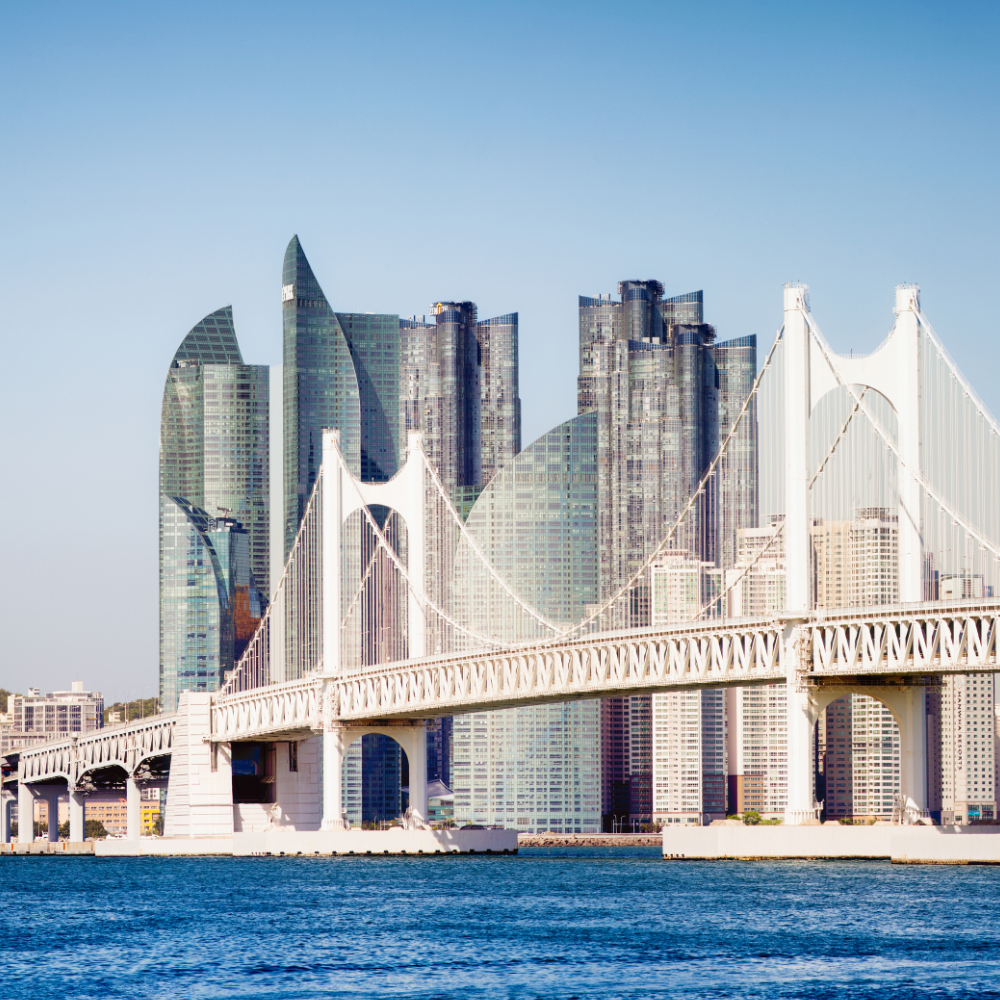
On choosing a venue: this is where a guidebook can mislead you, because several of the famous names have closed in recent years — the landmark Dragon Hill Spa in Yongsan among them — and listings online frequently lag reality. Rather than chasing a specific legendary name, pick by type: large modern spa complexes (the Aquafield-style operations attached to Starfield malls, or Spa Land inside Centum City if you are in Busan) offer the polished version; neighbourhood jjimjilbangs offer the authentic one at half the price. Whatever you choose, check the current hours and operating status on Naver Map the same day — it takes thirty seconds and it is the single most useful tip in this article.
Dr. Beau's Note
Book the body scrub, and book it before you think you are ready. Every first-timer hesitates — it feels too exposed, too vigorous, too unfamiliar — and nearly every first-timer comes out saying it was the best thing in the building. There is no polite way to describe what comes off your skin, but the glow afterwards is what half the K-beauty aisle is trying to sell you in a bottle. One caution from the skin side: skip it if you have active eczema, sunburn or any treatment planned within the week — it is exfoliation at industrial strength, and freshly scrubbed skin and a clinic laser should never share a calendar week.